Pegasus, CFM International Sign Maintenance Deal For 737-10 Fleet
Turkey’s biggest LCC has signed a long-term maintenance agreement with CFM International as part of a new order for up to 300 Leap-1B engines to power and support its future Boeing 737-10 fleet.
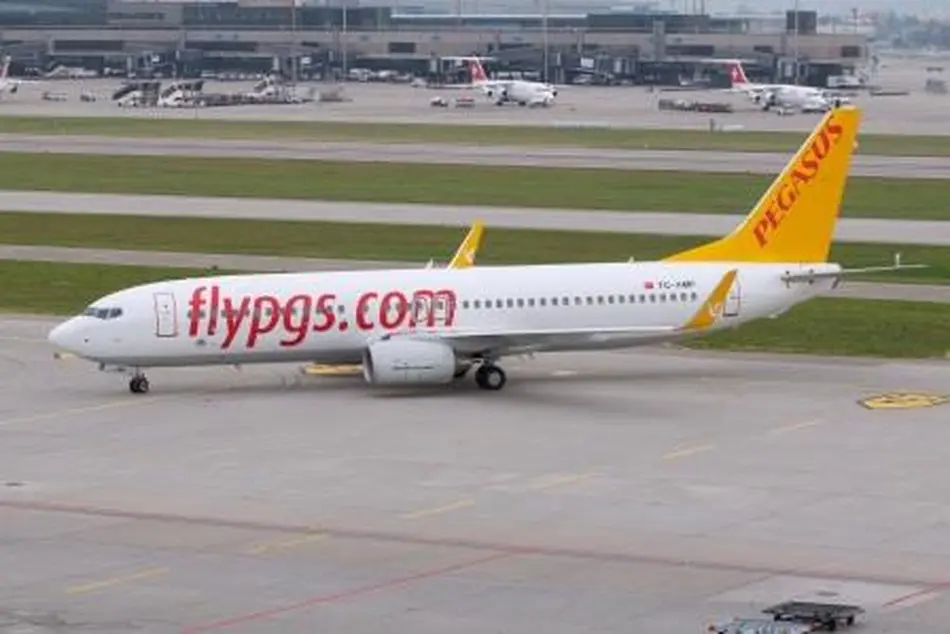
Turkey’s biggest LCC has signed a long-term maintenance agreement with CFM International as part of a new order for up to 300 Leap-1B engines to power and support its future Boeing 737-10 fleet.
Pegasus Airlines already operates the Leap-1A engine across its fleet of Airbus A320neo-family aircraft, which will number 117 A320neo and A321neo models next year, according to Aviation Week Network’s Commercial Fleet & MRO Forecast 2026.
The forecast also shows that airline will start receiving 737-10s in 2028, taking roughly 16 a year until it tops out at 100 of the type in 2033.
“Since we launched operations in 1990, CFM engines have played a major role in helping Pegasus build a reliable, efficient fleet that serves our customers,” Pegasus Airlines CEO Güliz Öztürk said. “We have been extremely pleased with the operation of the Leap engine family and look forward to bringing the same performance and stability to our Boeing 737-10 fleet.”
Pegasus’ 737-10 order continues the budget carrier’s somewhat unusual tradition of oscillating between the two big manufacturers.
Having started as a 737NG operator, in 2012 it switched allegiance with a large A320neo order, and now operates only a handful of 737NGs.
However, barring a few engines, it has stuck with CFM across all three changes to its fleet: its launch with 737NGs, the transition to A320neos and its latest commitment to operate 737-10s in parallel.
And although the Leap engine has had its problems, there was another reminder this week of the disruption caused by Pratt & Whitney geared turbofan issues, with Canadian carrier Air Transat reporting 6-8 aircraft—about a sixth of its fleet—grounded this year as a result.
However, the airline is optimistic that these numbers will fall.
“The situation is expected to keep improving, with the number of grounded aircraft projected to range between three and five during 2026, and full resolution anticipated by the end of 2027 or early 2028,” said Annick Guérard, president and CEO of Air Transat, on a recent earnings call.