California High Speed Rail Moves Towards Track Laying Phase
Governor Gavin Newsom has announced the completion of a key logistics facility for California’s high-speed rail project, enabling the next phase of construction to begin with the installation of track and systems.
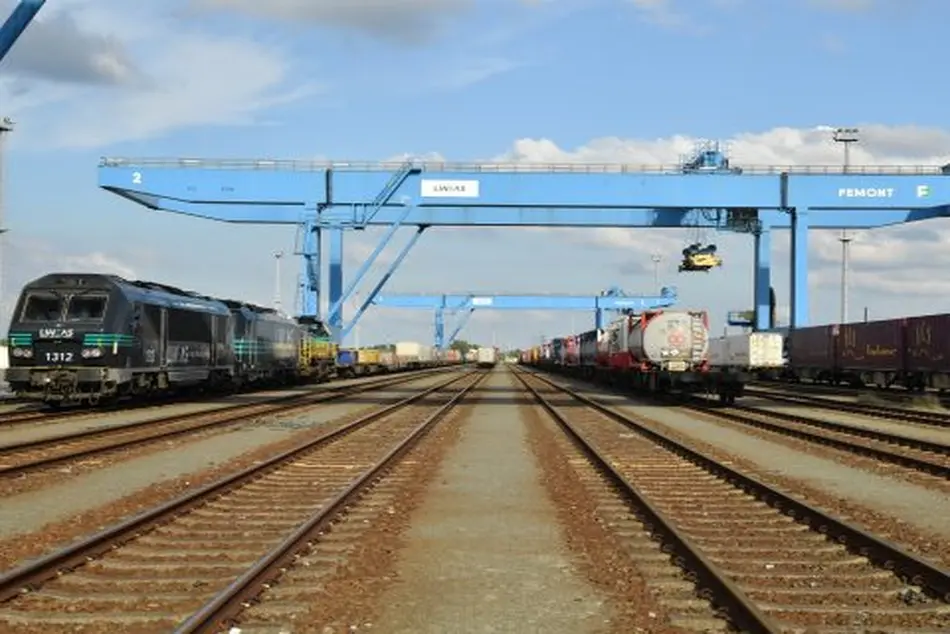
Governor Gavin Newsom has announced the completion of a key logistics facility for California’s high-speed rail project, enabling the next phase of construction to begin with the installation of track and systems.
The Southern Railhead Facility, located near Wasco in Kern County, has been completed after a year of construction. The 150-acre site will serve as a central hub for receiving, storing and distributing materials required for the electrified rail system, including long-welded rail and other track components.
Speaking at an event attended by state officials, local leaders and construction workers, Newsom said the facility marked a transition from heavy civil works to track-laying activities. He said the project was moving from planning into implementation, with construction activity now visible across large sections of the route.
Governor Gavin Newsom said:
With the completion of the Southern Railhead Facility, we’ve taken another critical step in the track-laying stage. California is building the nation’s first high-speed rail system, and we’re proving it can be done. We’re laying the foundation for cleaner, faster, and more connected transportation while investing in communities and creating good-paying jobs. California isn’t waiting for the future. We’re building it.
The railhead is connected to the national freight network and includes freight tracks, storage lines, warehousing space, maintenance areas and operational infrastructure to manage trains, equipment and personnel. With freight track installation now complete at the site, materials can be delivered directly for use along the high-speed rail corridor.
Procurement processes are underway for track and systems contracts, and suppliers for long-welded rail have already been secured.
California Transportation Secretary Toks Omishakin said:
This milestone underscores the progress California is making by moving from planning to implementation. With track installation now within reach, completing the railhead puts real momentum behind the work ahead. It’s tangible progress – building infrastructure that connects communities, supports a cleaner transportation future, and brings high-speed rail closer to service.
119 miles of the project are currently under active construction, with more than 80 miles of guideway completed. A total of 58 structures, including bridges, overpasses and viaducts, have been finished, while additional structures are under construction in Madera, Fresno, Kings and Tulare counties.
The announcement follows the recent renewal of California’s Cap-and-Invest programme by the state legislature. The programme provides a guaranteed annual funding commitment of around 1 billion USD through to 2045 for high-speed rail. The Authority said this funding stability would allow the project to progress from large-scale construction into full systems installation and delivery.
California High-Speed Rail Authority CEO Ian Choudri said:
This major milestone reflects the work happening on the ground and a delivery approach focused on partnerships with the Governor and Legislature. The railhead facility is a critical step in the track-installation process and keeps us on pace to deliver this system smarter, faster and more economically. With procurements underway on laying of electrified track and systems, including new and innovative pathways opening for private sector investment, we’re building the foundation for long-term success and continued momentum.
The rail project has also been presented as an economic driver. Since construction began, it has generated an estimated 121,900 job-years of employment and close to 25 billion USD in economic output. During the 2024–25 financial year, nearly all project spending was directed to businesses and workers based in California.
The Central Valley has accounted for the largest share of economic activity, with around 58,500 job-years supported since 2006. Employment has extended beyond construction roles to include suppliers, manufacturers and service providers.
Work continues on the planned route between Merced and Bakersfield, where 171 miles are under design or construction. Statewide, 463 miles of the proposed 494-mile San Francisco to Los Angeles and Anaheim corridor have now received environmental clearance.