BAE-Built Stratospheric Aircraft Wins Five-Year AFRL Contract
The BAE Systems PHASA-35, an uncrewed, high-altitude, pseudo-satellite (HAPS), will operate monthslong airborne surveillance missions in coordination with U.S. Southern Command under a new contract.
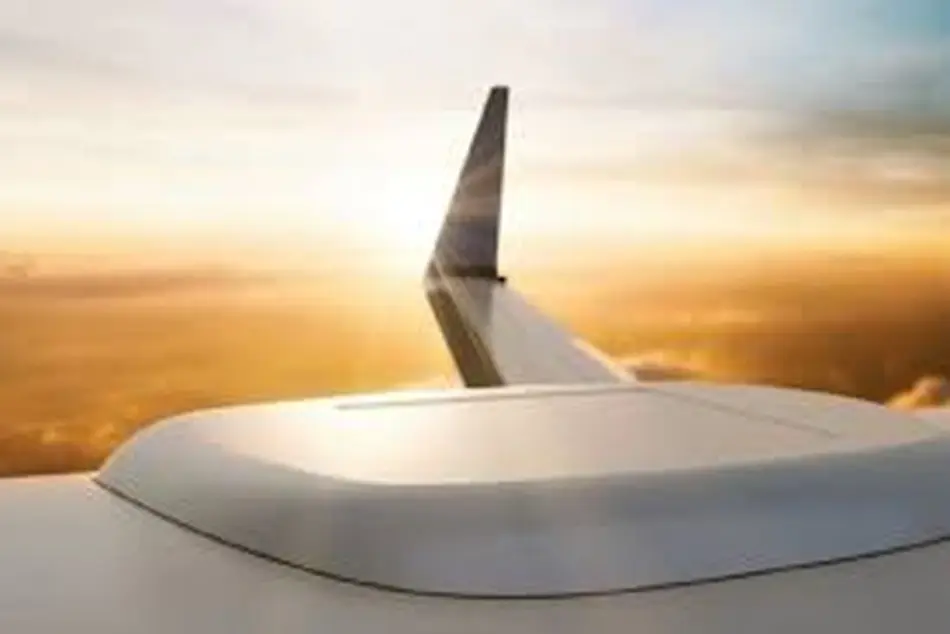
The BAE Systems PHASA-35, an uncrewed, high-altitude, pseudo-satellite (HAPS), will operate monthslong airborne surveillance missions in coordination with U.S. Southern Command under a new contract.
Acting on behalf of the Air Force Research Laboratory (AFRL), NASA quietly awarded a contract five months ago worth up to $10 million for the PHASA-35 to resume airborne missions operating from July 23, 2025, to April 17, 2030. The award was disclosed in a Dec. 18 acquisition document, which provides a justification for selecting the PHASA-35 without accepting competing offers.
NASA awarded the contract to Prismatic, a BAE subsidiary, which owns and operates the PHASA-35 based at Spaceport America in New Mexico. Prismatic did not immediately respond to emails asking for comment.
The new service contract adds to a five-year series of test flights by the PHASA-35, beginning with a first flight in Woomera, Australia, on Feb. 17, 2020. Detecting future interest from the U.S. Defense Department, Prismatic moved PHASA-35 testing to Spaceport America in June 2023, culminating with a 24-hr. flight in December 2024 that reached 66,000 ft. in altitude.
Solar panels installed along the upper surface of the wings of the PHASA-35 feed power to electric thrusters during the day. At night, energy for the thrusters comes from lithium-ion batteries, which are also recharged in daylight.
Prismatic developed and integrated a space pod to carry payloads for the PHASA-35 that weigh up to 15 kg (33 lb.). The AFRL wants to validate synthetic aperture radar payloads with the PHASA-35 under the new contract, the NASA document says.