PMO Details Operational Milestones and Infrastructure Plans for Current Year
Senior officials at Iran’s Ports and Maritime Organization (PMO) have outlined the organization’soperational performance since the start of the current Iranian calendar year (1405, beginning March 2026).
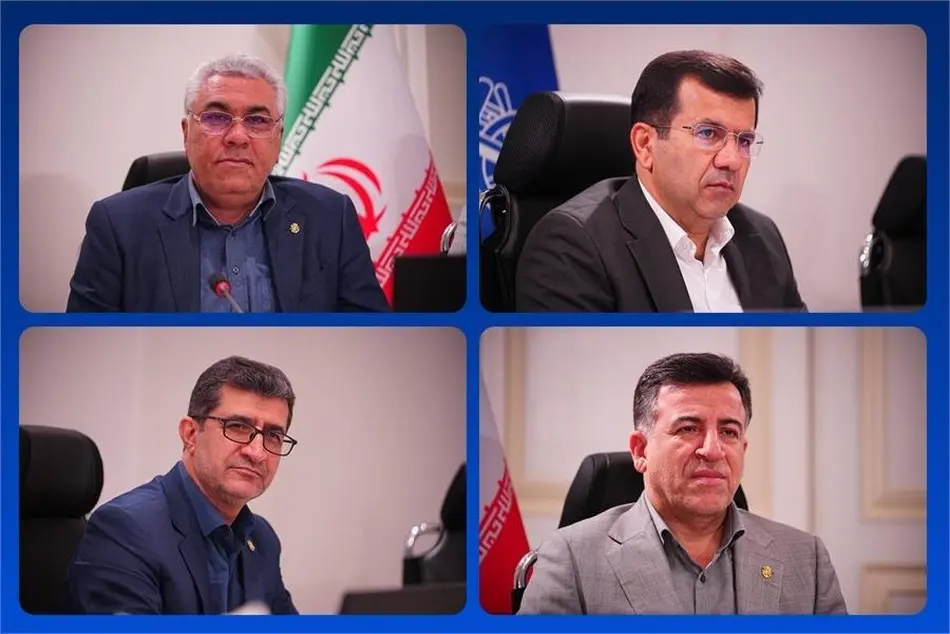
Senior officials at Iran’s Ports and Maritime Organization (PMO) have outlined the organization’soperational performance since the start of the current Iranian calendar year (1405, beginning March 2026) alongside strategic plans for maritime safety, infrastructure expansion, and port logistics. The reports were presented during a meeting of the Coordination Council of Headquarters and Port Directors, chaired by Deputy Minister of Roads and Urban Development and PMO Managing Director Mohammad Shakibi-Nasab, according to the organization’s news portal.
Addressing maritime operations, PMO Board Member and Deputy for Maritime Affairs Allah-Morad Afifipour reported that Iranian waters recorded the transit of 6,432,000 passengers and tourists as well as 127,000 vessels during the first seven months of the current year, alongside the issuance of 2,877 maritime certificates. Within the first six months of the year, the organization conducted 21,673 hydrographic operations, rescued 119 individuals at sea, and carried out 2,527,000 cubic meters of net dredging. Over the same six-month period, the PMO issued 36,113 certificates of competency and 18,911 medical fitness certificates, while 1,312 maritime training courses were held.
Afifipour noted that key initiatives in vessel registration and certification have included automating ship registration and classification certificate issuance, drafting a national fleet obsolescence index, conducting statutory audits and inspections for all Iranian-flagged vessels, formulating guidelines for mechanized vessel and boat license plates, and pursuing fleet renewal with relevant authorities. In vessel control and inspection, the organization issued procedures for inspecting ships in remote areas, launched a new vessel inspection portal, introduced a centralized inspection program for convention vessels, and issued a circular temporarily suspending the entry of banned or conditional-entry designations in the comprehensive maritime system.
Highlighting seafarer affairs and international engagement, Afifipour pointed to the implementation of Maritime Labour Convention (MLC) requirements, the issuance of 113 training course permits via the comprehensive seafarers system for 1405, audits of maritime training centers and quality management systems, and preparations for the International Maritime Organization (IMO) Member State Audit Scheme (IMSAS). He also underscored ongoing efforts to address vessel and crew incidents amid war and blockade conditions, as well as maritime diplomacy aimed at rescuing crews aboard ships stranded due to sanctions.
On the infrastructure front, PMO Board Member and Deputy for Engineering and Infrastructure Development Hamid Khalili outlined the agency’s overarching goals, which include boosting operational port capacity, establishing rail transport capacity at the Shahid Rajaee and Imam Khomeini ports, integrating port and maritime services, reducing energy intensity and environmental pollutants, and bringing port operations into full compliance with international conventions and protocols. He added that core engineering mandates encompass executing approved development projects under port master plans, overhauling civil infrastructure and equipment, procuring strategic port gear, updating and implementing the Integrated Coastal Zone Management (ICZM) plan, building infrastructure on support lands to assist investors, and expanding coastal passenger infrastructure.
Detailing capital projects, Khalili announced that nine major projects valued at 61 trillion tomans have been put into operation, while 250 projects worth 160 trillion tomans are currently underway. Furthermore, 102 private-sector construction projects valued at 800 trillion tomans are in progress, alongside a 5.6-trillion-toman allocation for maintaining and ensuring the readiness of port equipment, facilities, and structures. Under the 1405 maritime equipment roadmap, the PMO plans to raise operational port capacity by 2%, enhance the operational capability and safety of waterways, construct required vessels, strengthen maintenance oversight, revise equipment allocation documents, and procure 29 new vessels.
Presenting the commercial and operational overview, PMO Board Member and Deputy for Port and Economic Affairs Adel Deris reported that the organization renewed operating licenses for 82 maritime and port companies on time to prevent service disruptions during emergencies. Additional measures included accelerating the unloading and clearance of essential goods, supplying vital port equipment, establishing a task force to expedite cargo clearance, operating the Integrated Port Operations System, and implementing a support package for the maritime and port transport chain.
In the area of private investment, Deris noted that the PMO has resolved reviews of investment contracts, adjusted investment commitments, and signed agreements to build container terminals and manufacturing facilities, contributing to approximately 38,000 direct jobs across special port zones. Other regulatory milestones include finalizing operating procedures for passenger terminals and dangerous goods guidelines, auditing national port master plans, completing comprehensive studies for the Makran port complex, and approving master plans for the Rig and Deylam ports.
Looking ahead, Deris emphasized expanding transport and transit cooperation with member states of the Shanghai Cooperation Organization (SCO), BRICS, the Economic Cooperation Organization (ECO), and ESCAP, while strengthening the PMO’s role in the National Transit and Logistics Headquarters. Planned initiatives also include rolling out comprehensive integrated port and traffic control systems across all ports, deploying unified investment and special zone platforms, and consolidating labor, maritime competency, and logistics portals into a single comprehensive business system. The organization further intends to revise model terminal and investment contracts, establish mechanisms to attract foreign investment, audit contract execution cycles, update national port master plans, regulate the use of private-sector equipment for specialized services, redistribute port equipment based on performance, rank brokerage and logistics companies, incentivize brokerage licensing, and formulate resilience-oriented support packages alongside updated brokerage and port logistics regulations.
Concluding the reports, PMO Board Member and Deputy for Planning, Management Development, and Resources Loghman Parsinia emphasized that his division’s efforts are interwoven with every operational sector of the organization, noting that his team is committed to full cross-departmental cooperation to sustain the PMO’s dynamic contribution to the national economy.