PMO’s Vision for Stronger Infrastructure and a More Competitive Maritime Value Chain
Iran’s PMO outlines plans to strengthen maritime infrastructure, expand port diplomacy, boost transit, develop the Makran Coast, and modernize port equipment.
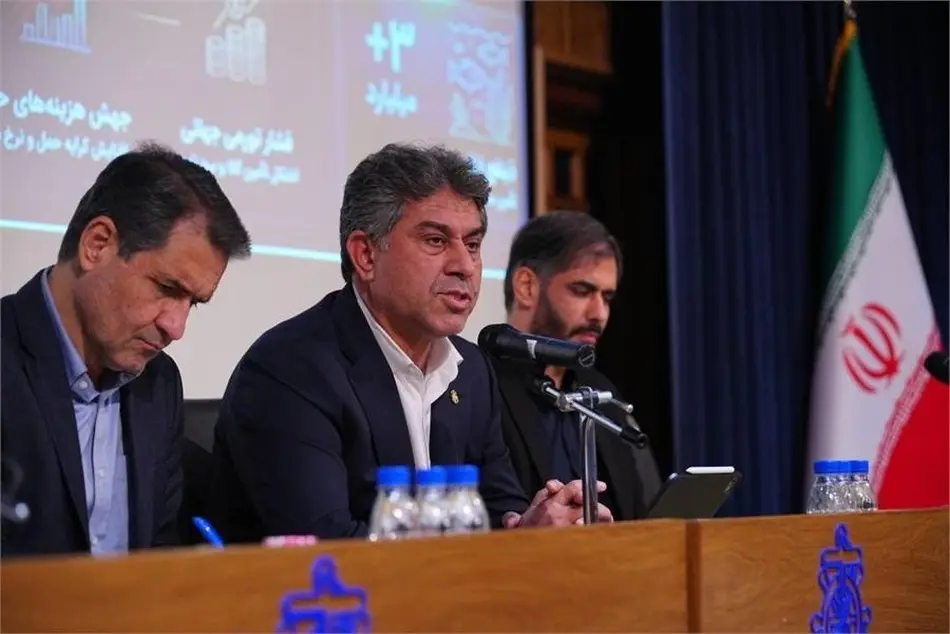
Iran’s PMO outlines plans to strengthen maritime infrastructure, expand port diplomacy, boost transit, develop the Makran Coast, and modernize port equipment.
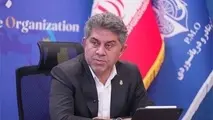
Mohammad Shakibi-Nasab, emphasizing the necessity of moving beyond the stage of drafting maritime-oriented development documents and plans and focusing on the implementation of operational and effective projects, said: "In recent years, the Ports and Maritime Organization has strived to turn maritime-oriented development strategies into executive measures and concrete projects, and in this path, valuable achievements have been made in the field of infrastructure development, transit, and port equipment modernization."
Mohammad Shakibi-Nasab, who was speaking at the panel "Drivers of the Maritime-Oriented Economy and Value Chains" at the conference marking the third anniversary of the notification of the general policies of maritime-oriented development, referring to the measures of the Ports and Maritime Organization in operationalizing the notified policies, stated: "Although in the field of development plans and documents we still need completion and updating, the Organization's approach has not merely been drafting plans and maintaining documents; rather, an effort has been made to turn strategies into executive projects and tangible results."
Referring to the measures taken in the field of transit and maritime and port diplomacy, he added: "In this section, valuable measures have been carried out in cooperation with the Ministry of Foreign Affairs, with the approach of strengthening economic interactions and developing maritime and port cooperation."
The managing director of the Ports and Maritime Organization, also referring to the progress of infrastructure projects on the Makran coasts and Chabahar, stated: "The studies of the comprehensive development plan of the Makran coasts have been completed, and the project of the internal network of Chabahar port also has more than 90% physical progress, which is expected to become operational within a maximum of two months."
Shakibi-Nasab continued: "In Shahid Rajaee port, the project of the access bridge to the 2,400-hectare lands and the preparation of the required infrastructure is also being pursued, and in other ports of the country, numerous effective projects are under implementation, the completion of which will lead to an increase in capacity and the strengthening of port infrastructure."
Referring to the measures taken for the modernization of port equipment, he said: "In this field as well, appropriate measures have been taken, and based on the planning carried out, the first batch of new port equipment will be deployed in Chabahar port by the end of the current year, and the second batch of equipment will also be transferred to this port by the end of Khordad next year."
The Deputy Minister of Roads and Urban Development, stating that the planned equipment enjoys up-to-date technology and has been selected in accordance with the needs of the container operations of Chabahar port, noted: "The modernization of equipment and the development of operational capacities are among the requirements for enhancing the position of the country's ports in value chains and regional and international trade."
Shakibi-Nasab, in continuation, emphasizing the necessity of serious attention to executive and regulatory obstacles in the path of realizing maritime-oriented development policies, stated: "Although many measures have been taken in the field of drafting laws, regulations, and instructions, the multiplicity and overlap of some regulations have themselves become a factor in creating restrictions and slowness in the implementation process; therefore, alongside completing upstream documents, solutions must also be devised for removing obstacles and facilitating the implementation of plans."
Emphasizing the necessity of a forward-looking view in the management and development of the country's maritime industry, he said: "Our belief is that previous managers and organizations have also strived in accordance with the facilities and conditions of their time, and the responsibility of current managers is to record effective and lasting measures during their tenure by using past experiences."
At the end, the managing director of the Ports and Maritime Organization, welcoming constructive criticisms and the expert views of activists in this field, emphasized: "Critics of the maritime industry are also among the enthusiasts and well-wishers of this sector, and their opinions and suggestions should be used to identify obstacles, reform processes, and advance the goals of maritime-oriented development."
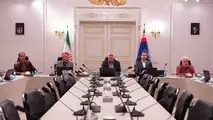
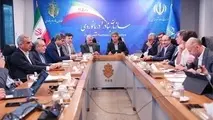
It is worth noting that, coinciding with the third anniversary of the notification of the general policies of maritime-oriented development, a conference was held at the Ports and Maritime Organization with the aim of examining the performance of responsible bodies, identifying obstacles, and providing solutions to accelerate the implementation of these policies. In this conference, the most important challenges of maritime-oriented development were examined, including the lack of integrated maritime governance, weak coordination among executive bodies, legal obstacles, infrastructure shortages, and the necessity of attracting investment.
Also, emphasis was placed on strengthening private sector participation, developing ports and maritime transport, exploiting the capacity of coasts and islands, and turning notified policies into operational plans. The main axis of the conference: realizing maritime-oriented development in the country requires integrated management, removing legal and executive obstacles, and effectively using maritime capacities for economic and commercial prosperity.