PMO Unveils Maritime Transformation Agenda Focused on Smart Ports and Infrastructure Modernization
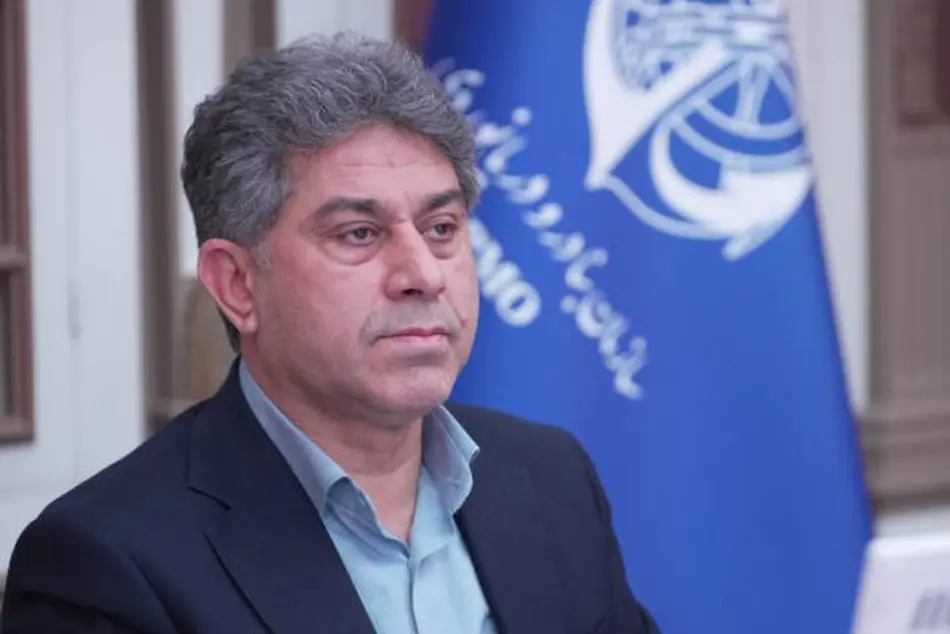
Iran’s Deputy Minister of Roads and Urban Development and Managing Director of the Ports and Maritime Organization (PMO), Mohammad Shakibi-Nasab, has announced the country’s core transformation priorities for the maritime and port sector.
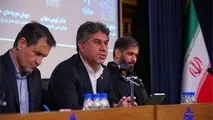
Shakibi-Nasab outlined the roadmap during a meeting of the Coordination Council of Headquarters and Port Directors, attended by board members and headquarters executives, with regional port directors joining via videoconference. Describing the organization’s mission as handing over stronger facilities and infrastructure to future generations than those inherited, he warned that adapting to global shifts is the only way for the PMO to remain competitive internationally. Without a serious commitment to digital transformation, modern technologies, process automation, and artificial intelligence, he cautioned, Iran risks falling behind in the global market.
Emphasizing the urgent need to expand and modernize maritime and port infrastructure and equipment, the PMO chief called for moving beyond traditional methods to upgrade service quality and productivity. He identified key operational priorities including reducing vessel turnaround times and cargo dwell times, accelerating loading and unloading speeds, ensuring competitive pricing, accommodating next-generation vessels, cutting energy consumption and pollution, and shortening recovery times following crises.
Shakibi-Nasab also underscored the importance of developing human capital, prioritizing training, and aligning policymaking with global trends, noting that workforce development must become Iran’s competitive advantage over regional ports. He stressed that addressing the concerns and expectations of stakeholders—including traders, merchants, vessel owners, and shipping companies—is vital, with national interests serving as the organization’s guiding principle.
Retaining Iran’s market share and competitive standing in maritime transport remains high on the PMO’s agenda, alongside attracting domestic and foreign investment, strengthening the country’s role in global trade chains, boosting operational speed, and enhancing risk and resilience management. Drawing on experiences gained during what he referred to as the 40-day war and the third imposed war, Shakibi-Nasab said the sector must remain prepared for worst-case scenarios. He expressed appreciation to PMO staff for their dedicated service during wartime and pointed to the President’s commendation of the organization for bravely carrying out its essential duties under those conditions.
Highlighting the organization’s core strengths, Shakibi-Nasab cited adequate port capacities supporting maritime trade, broad private-sector participation in developing port services and facilities, international capability in fulfilling national duties and global maritime obligations, and effective coordination with public and private actors to ensure the uninterrupted supply of essential goods. He added that the reform-oriented approach of the 14th administration, a post-war surge in maritime traffic, heightened private-sector appetite for port investment, and the expansion of port-centric logistics represent major opportunities for the sector.
Concluding his remarks, the PMO chief stressed the critical importance of port safety management systems, declaring that protecting human life at the nation’s ports is a red line for the organization. He noted that Iran’s port safety governance framework rests on three main pillars: understanding the port ecosystem while identifying hazards and analyzing stakeholder roles and interactions; designing appropriate institutional structures alongside safety governance and accountability mechanisms; and establishing an integrated regulatory system for monitoring port safety risk and resilience.