Working Group Meets to Organize Traditional Vessels Carrying Sailor's Goods, Establish Unified Procedures
A specialized meeting of the working group on organizing vessels subject to sailor's goods (Kala-ye Melavani) was held .
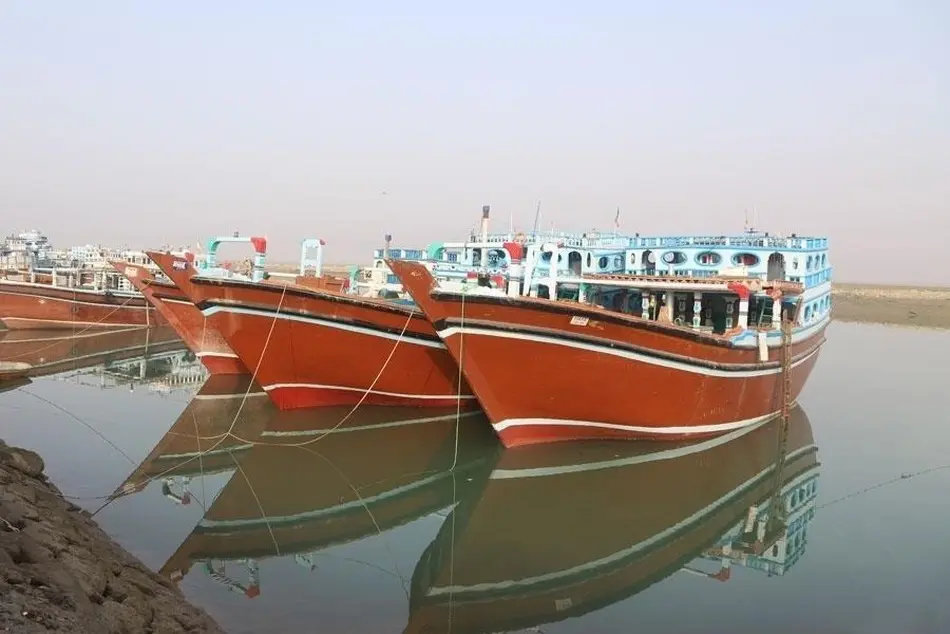
A specialized meeting of the working group on organizing vessels subject to sailor's goods (Kala-ye Melavani) was held with the aim of providing optimal services to traditional vessels and establishing a unified procedure in the areas of facilitation, control, and maritime services, with the presence of representatives from relevant departments.
in this meeting, after expert examination of various aspects of the issue and exchanging views on the challenges and solutions for organizing traditional vessels, the working group members emphasized the necessity of inter-sectoral coordination, clarification of processes, and the adoption of a uniform approach in providing maritime services, ultimately reaching a consensus.
Based on statistics presented at this meeting, there are currently 672 dhows (lenj) subject to sailor's goods regulations, whose organization and system-based management play a pivotal role in bringing order to maritime transport, facilitating trade, and supplying essential goods to the region.
It was also announced at this meeting that the ports of Qeshm and Kish, as the origin points for sailor's goods, have been established and operationalized to supply essential goods for the province and the region — an action evaluated as a strategic step in line with the policies of the maritime economy and the sustainable development of coastlines.
The working group members, emphasizing the positive effects of this plan, stated: "The implementation of a unified procedure and the organization of vessels subject to sailor's goods will lead to an increase in the level of operations and income for traditional and indigenous seafarers of the region, paving the way for sustainable employment, the prosperity of coastal residents' livelihoods, and the strengthening of local communities' role in the essential goods supply chain."
It is worth noting that the resolutions of this meeting will be pursued in subsequent working group sessions for final approval and notification to the relevant ports and other cooperating organizations.