Khuzestan Ports Chief: Oil, Feed, and Aquaculture Production Complex at Imam Khomeini Port a Turning Point in Value Creation
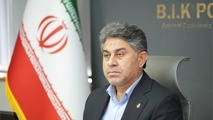
Behrouz Aghaei described the project to operate a complex for the production of various types of oils and animal, poultry and aquatic feed in the Imam Khomeini Port Special Economic Zone as a turning point.
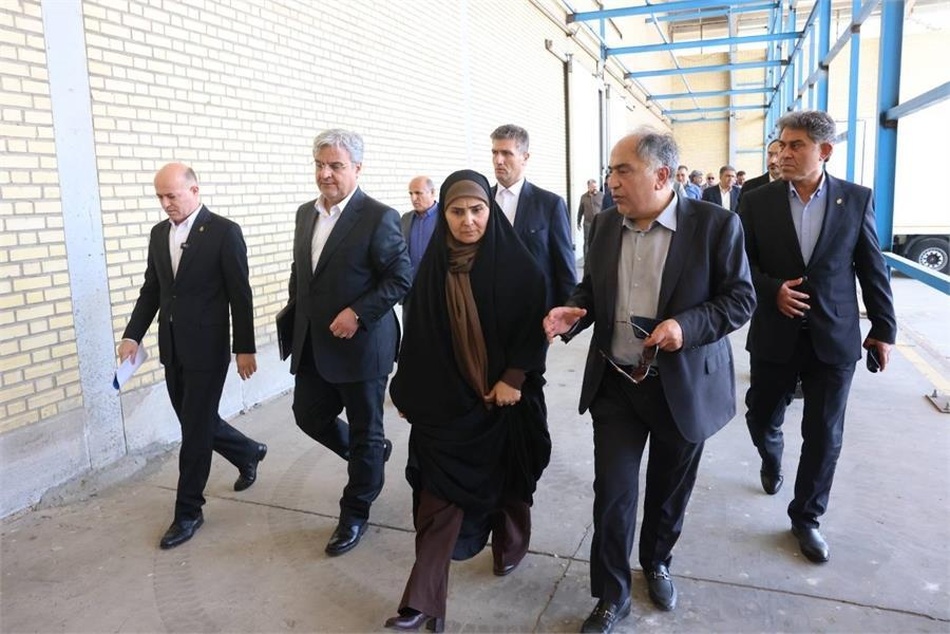
The Director General of Khuzestan Ports and Maritime, announcing the commissioning of a production complex for various types of oil and livestock, poultry, and aquaculture feed in the Imam Khomeini Port Special Economic Zone, described the project as a turning point in the transition from mere port services to value creation in the country's supply chain.
Behrouz Aghaei, while elaborating on the dimensions of this investment, stated: "Our strategy in port development is not limited solely to loading and unloading; rather, it involves transforming Imam Khomeini Port into a 'third-generation port' through the development of hinterland and processing industries."
"The commissioning of this complex, realized on a 6.8-hectare site, is a tangible manifestation of the synergy between port capacities and downstream industries, which can significantly reduce the logistics costs of imported grains."
Referring to the technical capacity of the project, he added: "This complex, with careful planning, has a daily production capacity of 2,400 tons of various products. The production lines include an annual capacity of 80,000 tons of edible oil, 40,000 tons of prepared livestock feed, 80,000 tons of prepared poultry feed, and 90,000 tons of prepared aquaculture feed. By connecting to the port's rail and road network, it will become the backbone of sustainable production in the region."
The Director General of Khuzestan Ports described the social and economic effects of the project as significant, emphasizing: "The creation of direct employment for 400 people, alongside thousands of indirect job opportunities in the transportation and logistics network, reflects the depth of this investment's impact on the livelihood and empowerment of the region's human capital."
"By establishing these industries adjacent to the berths, we have effectively eliminated demurrage and unnecessary warehousing costs, and with full transparency in the circulation of bulk cargoes, we are helping to stabilize the prices of livestock inputs and essential goods in the domestic market."