Government backs around £1 billion investment in 29 battery-electric Adessia Stream trains for TransPennine Express, to be built by Alstom at Litchurch Lane Works in Derby
The Adessia Stream fleet will be the first battery-electric trains on a UK main line route, cutting journey times across the Pennines and supporting more than 350 jobs at Alstom’s Derby site, according to the government.
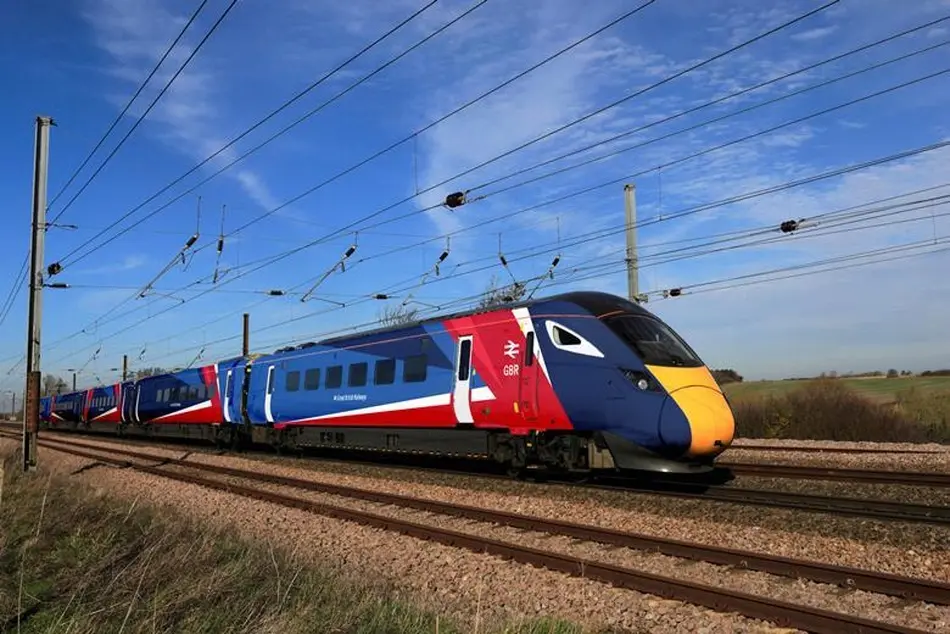
The Adessia Stream fleet will be the first battery-electric trains on a UK main line route, cutting journey times across the Pennines and supporting more than 350 jobs at Alstom’s Derby site, according to the government.
The UK government has backed an investment of around £1 billion in 29 new battery-electric trains for TransPennine Express (TPE) , which will be built by Alstom at its Litchurch Lane Works in Derby.
The Adessia Stream fleet will be the first battery-electric trains to operate on a UK main line route, providing emission-free travel on non-electrified sections of the railway. The trains are due to be built from 2028 and to enter service from winter 2034.
Faster journeys across the Pennines
The government said journey times would be cut by up to 10 minutes between Manchester and Leeds and by up to 14 minutes between Manchester and York. The trains are intended to help deliver the TransPennine Route Upgrade (TRU) ambition of boosting capacity by 30 per cent, with thousands of additional seats a day across the Pennines by the early to mid-2030s.
The fleet will operate services between Liverpool Lime Street and Scarborough, Manchester Airport and Saltburn, and Manchester Piccadilly and Hull.
Prime Minister Andy Burnham said: “These 29 new trains will bring faster, more reliable journeys to the North, and thousands of British jobs for the next generation.”
Transport Secretary Heidi Alexander said: “Passengers will be able to wave goodbye to overcrowded, delayed diesel trains and step onboard faster electric trains which are fit for the future.”
Jobs and supply chain
According to the government, the contract will support more than 350 skilled jobs in Derby, alongside 40 apprentices and 40 students, and a further 6,000 jobs across the UK supply chain. It is expected to generate around £360 million for the wider economy.