Slovakia: Škoda to Supply Up to 36 BEMUs to ZSSK
The Škoda Group has signed a framework contract for the supply of up to 36 battery-powered two-car electric trains (BEMU) in consortium with ŽOS Trnava and Železničná spoločnosť Slovensko (ZSSK).
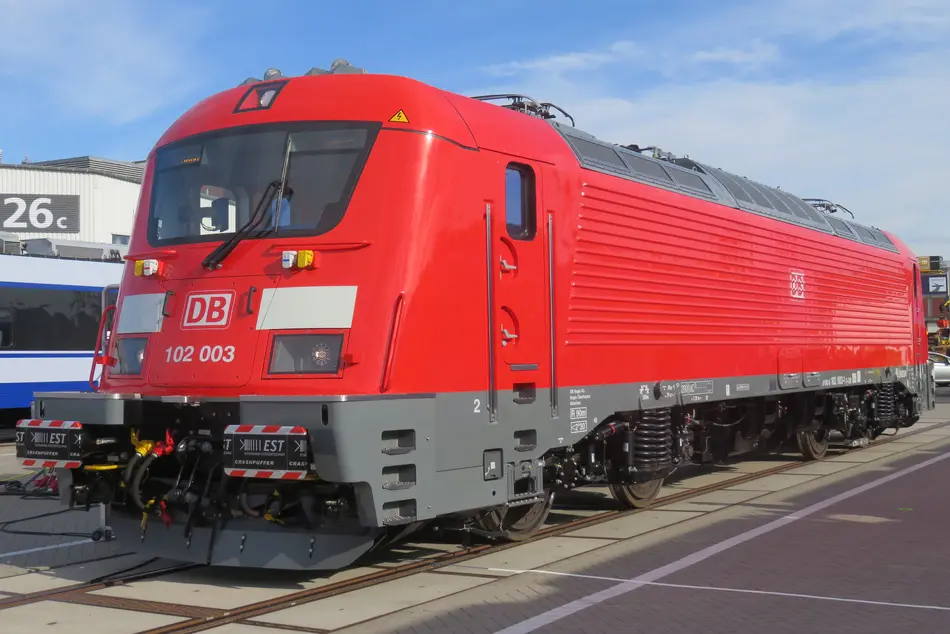
The Škoda Group has signed a framework contract for the supply of up to 36 battery-powered two-car electric trains (BEMU) in consortium with ŽOS Trnava and Železničná spoločnosť Slovensko (ZSSK).
The carrier intends to purchase the first 16 units next year, with the 332 million EUR contract also including the option to secure an additional 20 units in the future.
Set to replace a number of diesel trains currently in operation on non-electrified lines; the new, zero-emission trains aim to reduce overall annual CO2 emissions.
Parts of the production of the units will be carried out in Slovakia through consortium partner ŽOS Trnava.
Tomáš<br /> Ignačák, Vice-Chairman of the Board of Directors of Škoda Group, said:
We see battery trains as a fast and realistic path to zero-emission regional transport in Slovakia. They combine the advantages of classic electric units with operation on non-electrified lines, without the need for high investments in infrastructure.
We are delighted to become a technology partner of Slovak Railways in this fundamental step towards modern and sustainable mobility. Our experience with battery trains shows that passengers appreciate their deployment, with passenger numbers on these lines increasing by up to tens of percent.
Once supplied, the new BEMUs will enter service on a number of routes, including Kúty – Skalica na Slovensku; Nové Zámky – Nitra; Nitra – Trnava – Bratislava; and Myjava – Trenčín.
The units will be capable of travelling at speeds of up to 120 km/h in battery mode, and will utilise a traction battery system. When powered by overhead lines, the trains will able to reach speeds of up to 160 km/h.
Onboard traction batteries are expected to provide a range of a minimum of 80km on non-electrified sections, with energy recoverable via a regenerative braking system.
Each unit will have a capacity of 157 seated passengers, and be equipped with the European ETCS Level 2 safety system, as well as on-board Wi-Fi, 230 V sockets with USB ports, low-floor access and modern information systems.