Khorramshahr Port Launches Integrated Road Transport System to Boost Logistics Efficiency
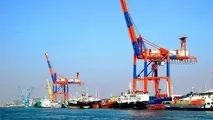
The Director General of Khorramshahr Port and Maritime Directorate announced the launch and operation of the Khuzestan Integrated Road Transport System at the Khorramshahr Port Complex. The system, connected in real time to the port's Traffic Management System (TMS), marks a significant step toward smart logistics chain management, reducing truck waiting times, and accelerating loading and unloading operations.

The Director General of Khorramshahr Port and Maritime Directorate announced the launch and operation of the Khuzestan Integrated Road Transport System at the Khorramshahr Port Complex. The system, connected in real time to the port's Traffic Management System (TMS), marks a significant step toward smart logistics chain management, reducing truck waiting times, and accelerating loading and unloading operations.
Ali Asgari stated that the system has been operationalized as part of the development of smart government initiatives, enhancement of logistics infrastructure, and improvement of services for transport and trade stakeholders, utilizing the capacity of a virtual terminal at the Khorramshahr Port Complex.
He added that the integrated road transport system is designed to intelligently manage the distribution of trucks and cargo. By precisely regulating fleet traffic, reducing waiting times, increasing transparency, and expediting loading and unloading operations, it enhances the productivity of port activities.
Asgari highlighted the system's key benefits, including real-time and equitable distribution of trucks and cargo, smart queuing, reduced congestion at port entry points, smoother traffic flow, and improved safety. He noted that the use of a localized virtual terminal enables integrated management of "port-to-road" and "road-to-port" processes, providing real-time monitoring of operations and effective supply chain management.
The director also confirmed that the system has been locally developed and directly linked to the Khorramshahr Port TMS. This integration, he emphasized, will facilitate real-time data exchange, eliminate redundant processes, improve data recording accuracy, and enhance oversight of transport operations.
Emphasizing the role of transport companies in implementing the project, Asgari noted that the system enables full management and tracking of cargo movement in both export and import sectors. The performance of the virtual terminal and the smart queuing system will be continuously monitored by port affairs experts.
In conclusion, the Director General of Khorramshahr Port described the launch of this system as an effective measure in advancing smart transportation, accelerating cargo turnover, improving operational productivity, and achieving the goals of the maritime economy.
12th Session of IMO Sub-Committee on Implementation of IMO Instruments Begins with Active Participation of Iran
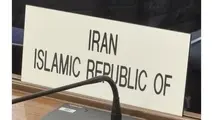
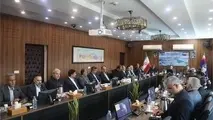
The 12th session of the International Maritime Organization's (IMO) Sub-Committee on Implementation of IMO Instruments (III) has commenced at IMO headquarters in London, with the active participation of the Islamic Republic of Iran.
MRUDNEWS-the session was held for five days until July 24, 2026, in both in-person and virtual formats.
The Islamic Republic of Iran participated in this session with representatives from the Ports and Maritime Organization (headquarters and ports), the National Iranian Tanker Company, a shipping company, and two classification societies attending virtually. Pouria Kolivand, the permanent representative of the PMO and Deputy Permanent Representative of Iran to the IMO, attended in person.
During the session, Iran's delegation reviewed 18 agenda items and over 60 documents submitted by the IMO Secretariat, member states, and international organizations, participating in specialized negotiations and decision-making processes of this committee.
Alongside the main session, five working groups and a drafting group was formed simultaneously to examine and finalize specialized topics in the implementation of mandatory IMO instruments.
Major agenda items included Review and analysis of maritime casualty reports, Revision of the Casualty Investigation Code and related implementation guidelines associated with Resolution A.1075(28), Harmonization of Port State Control (PSC) procedures globally, Development of a training manual for Port State Control Officers (PSCO), Review of summary audit reports of IMO member states, Revision of inspection guidelines within the framework of the IMO Member State Audit Scheme (IMSAS), Updating the non-exhaustive list of obligations arising from mandatory IMO instruments, Cooperation with the United Nations on matters of common interest, and Revision of the draft guidelines for safety and seaworthiness inspections of small fishing vessels and related checklists
The Sub-Committee on Implementation of IMO Instruments is one of the IMO's specialized committees responsible for examining issues related to the effective and uniform implementation of conventions, regulations, and other mandatory IMO instruments. The committee plays a crucial role in enhancing maritime safety, protecting the marine environment, increasing the effectiveness of the IMSAS, and improving member states' performance in implementing international maritime regulations.
Iran's active presence at this session aims to contribute effectively to the process of developing and revising international maritime regulations, conveying the country's technical perspectives, benefiting from the experiences of other member states, and strengthening Iran's technical and specialized position within the IMO.