Siemens Mobility Boosts Capacity on Oslo Metro with New CBTC System
Siemens Mobility and Sporveien have commissioned a new modern Communications-Based Train Control (CBTC) system for passenger service on a three-kilometre-long section of the Oslo Metro.
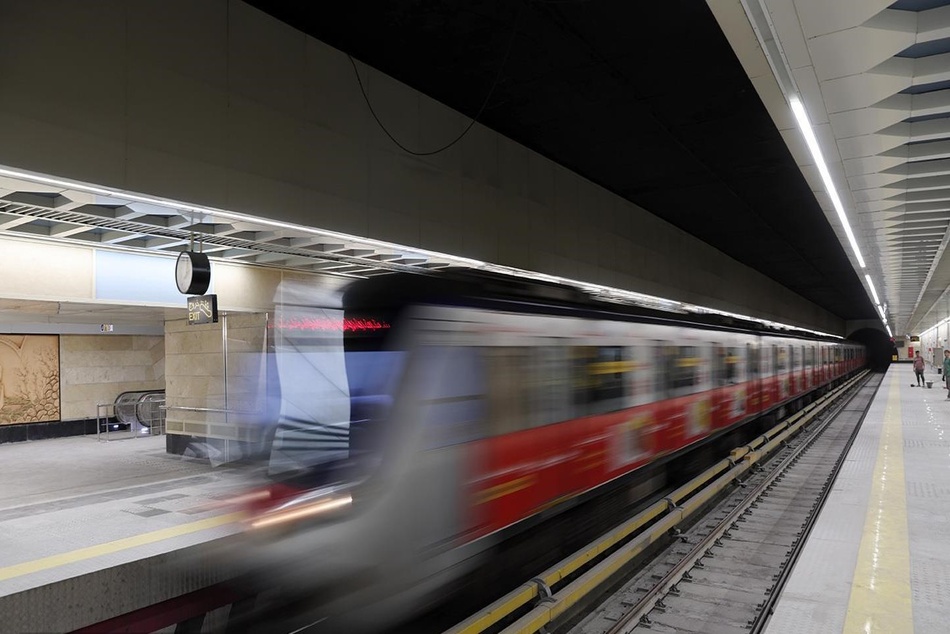
Siemens Mobility and Sporveien have commissioned a new modern Communications-Based Train Control (CBTC) system for passenger service on a three-kilometre-long section of the Oslo Metro.
The project, worth 270 million EUR, was initially awarded to Siemens Mobility in 2021, and will encompass the complete replacement of the legacy signalling system across the whole of the 86-kilometre-long network, as well as the integration of the new Fornebubanen line.
With the installation of Siemens Mobility’s Trainguard MT CBTC solution; the Oslo Metro is now capable of handling up to 36 trains per hour – an increase from 28 (30%).
Michael Peter, CEO of Siemens Mobility said:
Our partnership with Sporveien dates back nearly 130 years to the Holmenkollen Line. Today, we are proud to introduce Norway’s first CBTC system, bringing Oslo’s metro into a new era. This milestone will increase capacity by around 30%, enabling more frequent departures and promoting sustainable mobility for travellers.
The new system supports Oslo in its ambition to become the world’s first zero-emission city.
The full modernisation project includes an upgrade of Oslo’s Metro Network, as well as the integration of a new 8-kilometre-long Fornebubanen extension with six stations. The project will also include the use of public LTE mobile network for critical train control communications – the first such metro project in Europe to adapt the approach.
On a technical level, the new system allows the metro line to expand its operational capacity to up to 40 trains per hour. Should this be actioned, the overall capacity would be increased by more than 40% over the pre-modernisation capacity of 28 trains per hour.