PMO Chief Unveils AI-Driven Plan for Hazardous Cargo Management, Warns of Security Risks
The Deputy Minister of Roads and Urban Development and the Iranian Maritime Organization have announced plans to transform the management of dangerous cargo using artificial intelligence.
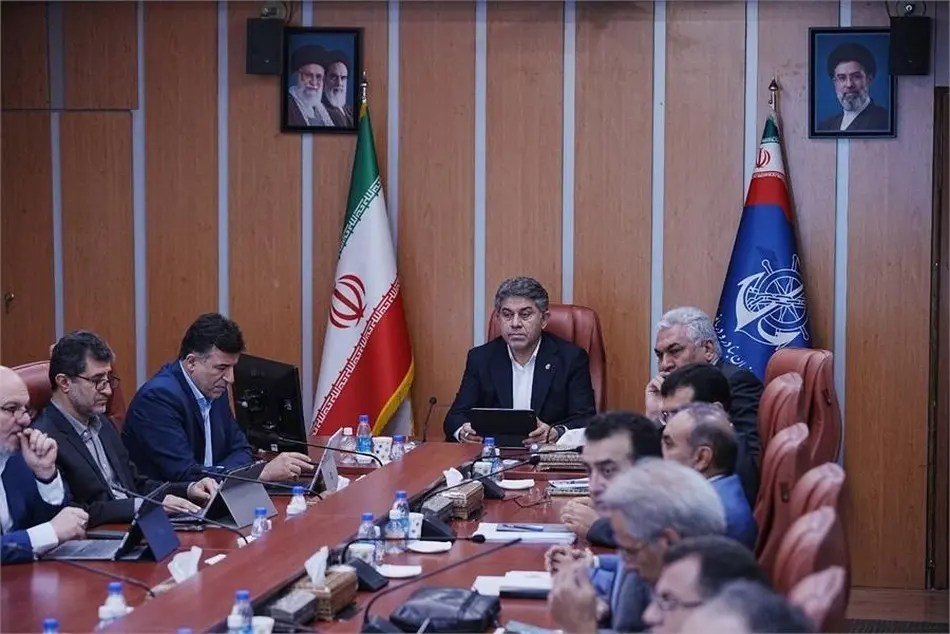
Speaking at the organization's monthly managers' meeting, Mohammad Shakibi-Nasab highlighted the global acceleration in AI adoption, stating that the technology has become a key driver of business management and development. "Every new technology brings threats and risks alongside opportunities, but fear of risks should not keep us behind the global wave of transformation — because delays in utilizing these capacities will widen the gap between our ports and leading global ports," he said.
Shakibi-Nasab identified safe management of hazardous cargo as one of the most practical areas for AI integration in the port industry. "Each hazardous cargo has specific codes and technical specifications. Accessing information on storage conditions, safety requirements, and emergency procedures is time-consuming through traditional methods. With intelligent search engines and AI, this critical information can be processed in fractions of a second and made available to operators and planners — directly enhancing safety and decision-making quality," he explained.
Addressing security concerns around AI, Shakibi-Nasab stressed that information security and how data is loaded into smart systems are highly sensitive matters. "Entering confidential organizational information into public platforms can pose serious risks. Therefore, our strategy is to begin utilizing this technology with public, non-confidential data, and expand its scope in parallel with developing secure, domestic infrastructure," he stated.
Noting that some initial steps have been taken in the planning deputy's office to create intelligent databases, Shakibi-Nasab called for institutionalizing this approach across all departments. He also emphasized the need for practical training courses tailored to the organization's local needs, equipping experts and managers with the skills to interact with this technology.
AI as Complement, Not Replacement
In his concluding remarks, the deputy minister underscored the irreplaceable role of human capital. "AI output should never replace expert judgment and knowledge. This technology is merely a tool to accelerate analysis, complement reviews, and support managerial decision-making," he said.
Shakibi-Nasab noted that the Ports and Maritime Organization is preparing for future transformations in the maritime transport industry by adopting a dual approach — risk management and data security on one hand, and maximum utilization of smartization opportunities on the other — to deliver more agile, safer, and smarter services.