*Iran and the Eurasian Economic Union Stress the Decelopment of Transportation and Transit Cooperation*
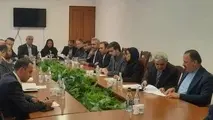
The second meeting of the Sub-Committee on Transportation and Transit Cooperation between the Islamic Republic of Iran and the Eurasian Economic Union (EAEU) was hosted by the Deputy for Transport of the Ministry of Roads and Urban Development.
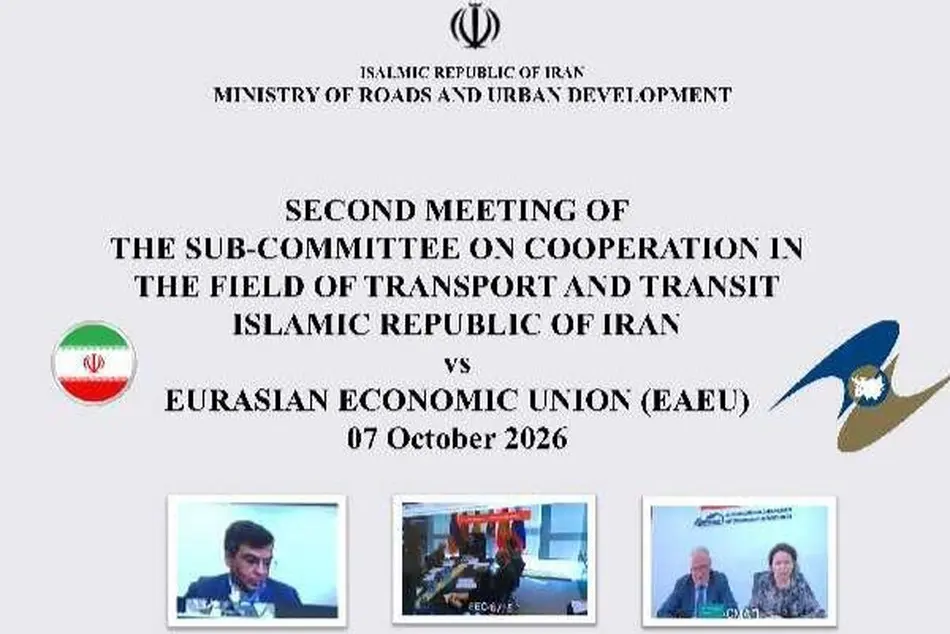
The second meeting of the Sub-Committee on Transportation and Transit Cooperation between the Islamic Republic of Iran and the Eurasian Economic Union (EAEU) was hosted by the Deputy for Transport of the Ministry of Roads and Urban Development. The session focused on the development of regional corridors, the facilitation of cross-border traffic, the enhancement of multimodal transportation and the development of the digital exchange of transport data.
According to the Ministry of Roads and Urban Development, this second sub-committee meeting was held virtually on Wednesday, October 7, 2026. The summit was convened within the framework of Article 10/7 of the Free Trade Agreement between the Islamic Republic of Iran, the Eurasian Economic Union, and its member states.
The Iranian delegation was headed by Jafar Jamili, Director General for the Department of Commercialization and the Associations Affairs at the Ministry of Roads and Urban Development. The Eurasian delegation was led by Rustan Zhanatovich Zhenalinov, Director of the Transport and Infrastructure Department of the Eurasian Economic Commission.
Furthermore, technical representatives from Iran's transport sector, the Eurasian Economic Commission and member states were in attendance.
*Elucidating Iran’s Strategic Position in International Corridors*
Detailing Iran’s transit capabilities and its pivotal role in bridging the North-South and East-West corridors, Mr. Jamili underscored the Ministry of Roads and Urban Development's unwavering readiness to expand transportation cooperation.
Highlighting key areas for collaboration, including connecting regional countries to international waters via Iranian routes, facilitating fleet movement and cargo transit across borders, developing multimodal transportation, and implementing the digital exchange of data and shipping documents.
The head of the Iranian delegation further stressed that the sub-committee's capacity should be dedicated to macro-level and mutual objectives, while strictly bilateral matters should be pursued through direct mechanisms between the respective nations.
*Reviewing the Status of the Road Transport Fleet*
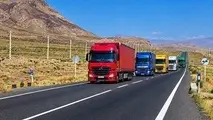
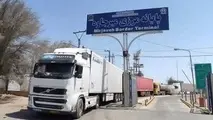
In the realm of road transport, the delegations reviewed the operational status of fleets and drivers, border procedures, the differential in fuel prices for foreign fleets, and cargo security.
The Iranian side clarified that the fuel price differential stems directly from Iran's domestic fuel subsidy framework and does not constitute any tax oriented amiunts. Additionally, extensive deliberations were held regarding the reduction of fleet layovers at borders, the implementation of automated queuing systems, and the fortification of cargo tracking and control mechanisms.
The feasibility of employing highly secure mechanisms for sealing cargo at the point of origin—particularly for sensitive and perishable goods—was also proposed.
*Latest Developments on the Rasht-Astara and Chabahar-Zahedan Projects*
Within the railway sector, the latest advancements regarding the Rasht-Astara and Chabahar-Zahedan railway projects were examined, with a particular focus on their critical role in completing regional corridor linkages.
Further dialogue centered on the expansion of rail transport, augmenting freight capacity, and optimizing combined rail-sea logistics.
*Highlighting the International North-South Transport Corridor and Iranian Port Capacities*
In the maritime and multimodal sectors, the strategic preeminence of the International North-South Transport Corridor (INSTC) and the capacity of Iranian ports to connect EAEU member states to the open seas were strongly reaffirmed. Potential avenues for cooperation in the aviation sector were also noted.
The digital exchange of transport information and documentation, the integration of smart systems, enhanced cargo traceability, and the streamlining of border protocols constituted other vital pillars of the mutual discourse.
*EAEU Rep
resentatives Welcome Enhanced Cooperation with Iran*
Welcoming the deepening of collaborative ties with Iran, the representatives of the Eurasian Economic Union outlined specific logistical matters raised by member states. They emphasized the necessity of sustained technical consultations to facilitate fleet operations and expand transport connectivity.
Ultimately, both parties reached a consensus on maximizing the utilization of existing capacities while avoiding the creation of redundant, parallel mechanisms.