*Artificial Intelligence in Road Management: From Accident Prediction to Smart Maintenance and an Enhanced 141 System*
The Road Maintenance and Transportation Organization is pursuing the digital transformation of road-network management through the use of artificial intelligence.
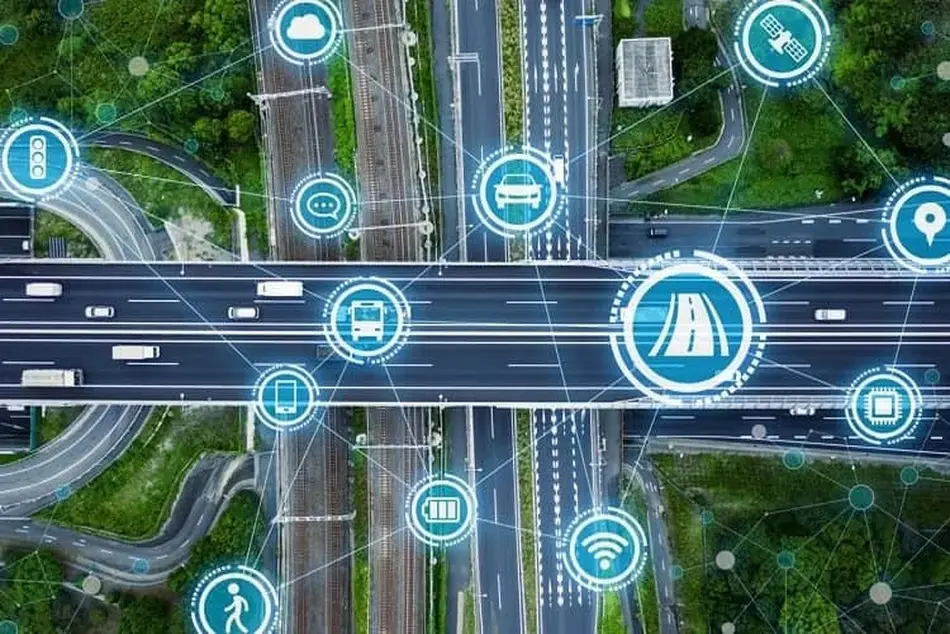
The Road Maintenance and Transportation Organization is pursuing the digital transformation of road-network management through the use of artificial intelligence. By predicting crashes, intelligently detecting pavement defects and optimizing fleet management, the technology can improve safety, reduce costs and enhance public services.
*TIN News* | Initiatives that improve the efficiency of the road transport network have a direct impact on safety, public expenditure and road users’ satisfaction. In this context, “smartification” and the adoption of artificial intelligence have become central to the digital transformation of the Road Maintenance and Transportation Organization. By analyzing traffic data, these technologies enable authorities to identify high-risk locations, predict crashes and carry out predictive road maintenance—shifting from reactive operations to data-driven management.
According to TIN News, the application of artificial intelligence and smart road transport systems is creating opportunities to improve services across a range of areas, including road safety, maintenance and automated pavement-defect detection, freight and passenger fleet management, enhancement of the 141 system and intelligent handling of complaints. These applications can also help optimize costs.
Hamzeh Zakeri, the Organization’s Deputy for Technology Development and Smartification, described artificial intelligence as a key driver of transformation in its services, saying the technology could significantly improve the efficiency of Iran’s road transport network in areas including safety, road maintenance, fleet management and public services.
According to Dr. Zakeri, while stressing on AI’s role in transforming the RMTO’s services, stated: “By identifying high-risk locations and predicting crashes, this technology represents a major step forward in improving road safety. In maintenance, intelligent detection of pavement defects and the management of traffic on heavily traveled routes enhance the efficiency of the network.”
These remarks reflect the RMTO’s shift from reactive operations toward predictive, data-driven management. Rather than repairing roads only after damage occurs or responding to incidents after a crash, authorities can analyze data and behavioral patterns to take action before problems arise. Identifying high-risk locations through actual traffic data and crash records helps prioritize investment in safety improvements on critical road sections, while crash prediction can contribute to reducing road fatalities.
In road maintenance, intelligent detection of pavement defects offers a significant opportunity to optimize costs. Early identification of cracks and surface damage can prevent minor defects from developing into costly repairs and extend the service life of road pavements.
Managing traffic on heavily traveled routes is another area in which, according to the Deputy for Technology Development, artificial intelligence can help improve operations.
Referring to the technology’s applications in freight and passenger transport, Dr. Zakeri said: “Artificial intelligence also plays a role in freight and passenger transport through intelligent fleet management and the optimization of supply and demand.”
Intelligent fleet management can improve the productivity of freight and passenger vehicles through more precise trip planning, fewer empty journeys and continuous monitoring of vehicle conditions. Better alignment of supply and demand can also help balance the transport market and reduce costs for industry operators.