ICE Trains to Serve Brussels Airport Under DB and Brussels Airlines Cooperation
A new agreement between Deutsche Bahn (DB) and Brussels Airlines will introduce the first direct ICE rail connection to Brussels Airport, linking western Germany with the airport through a combined rail-and-air booking offer.
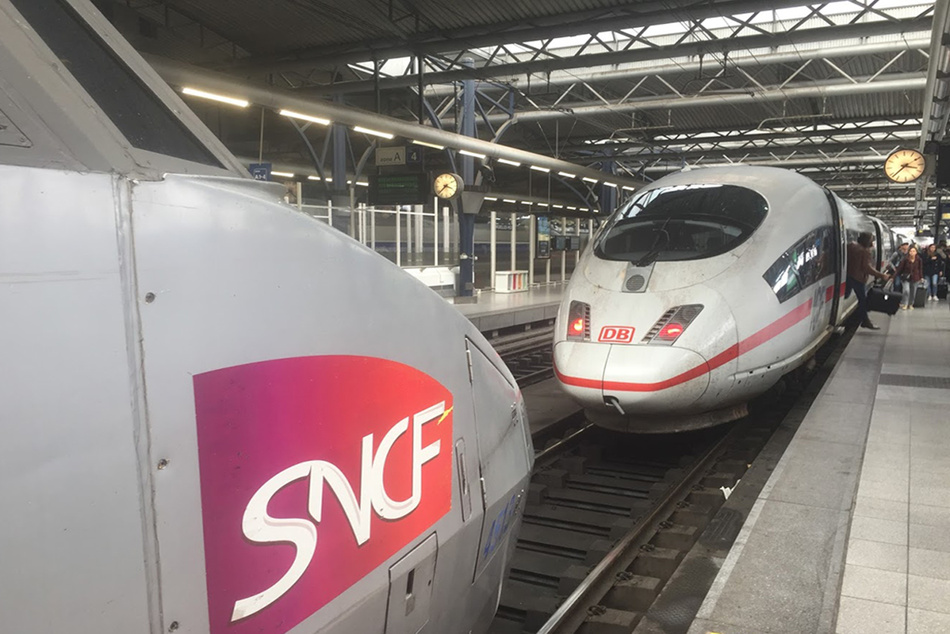
A new agreement between Deutsche Bahn (DB) and Brussels Airlines will introduce the first direct ICE rail connection to Brussels Airport, linking western Germany with the airport through a combined rail-and-air booking offer.
The partnership is based on a codeshare arrangement that allows passengers to purchase a single ticket covering both train and flight segments. The service is scheduled to begin on 7 September 2026 and will operate via a new international ICE route between Cologne and Antwerp, calling at Aachen, Liège, Leuven and Brussels Airport.
Two daily return services will run between Cologne Central Station and Brussels Airport, with trains continuing onward to Antwerp. Tickets for the route are available from today through travel agents, airline websites and rail booking systems.
Arnaud Feist, CEO of Brussels Airport said:
We are delighted that Brussels Airport is once again connected to the high-speed rail network, which is an important step for Belgium’s international connectivity. Intermodality is indeed one of our strategic goals, and we are strongly committed to developing a robust, future-proof network that strengthens our role as a key intermodal hub. This new high-speed connection, operated by Deutsche Bahn in codeshare with Brussels Airlines, offers passengers from western Germany fast, seamless access to our more than 180 destinations worldwide, providing an even more efficient and sustainable way to travel to and from the airport.
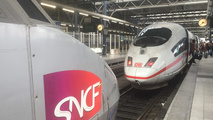
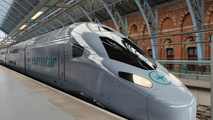
The travel time between Cologne Central Station and Brussels Airport is expected to be approximately two hours. A morning departure is scheduled to arrive at the airport at 08:29, allowing connections to long-haul flights. Services will be operated with the ICE 3neo trainset, the latest addition to DB’s high-speed fleet.
Under the codeshare arrangement, passengers travelling from Cologne, Aachen and Liège will receive benefits similar to those offered through the Lufthansa Express Rail programme. These include a reserved seat on the train, integrated city transport tickets in Cologne and Aachen, protected connections in the event of delays, mileage accrual and lounge access at Cologne Central Station for eligible premium passengers.
Michael Peterson, DB Board Member for Long-Distance Passenger Transport said:
More and more people are choosing climate-friendly travel options to their flights. The integration of rail and air transport is very much in line with current trends. The new direct connection from Cologne to Antwerp via Brussels Airport as a hub has two positive aspects: We are once again meeting the high demand from our passengers for international rail travel – and, through our cooperation with Brussels Airlines, we can simultaneously expand our intermodal offering.
The new service extends an existing collaboration between DB and Lufthansa, which has for more than two decades enabled combined train-and-flight bookings within Germany. By adding Brussels Airlines to the scheme, DB aims to broaden rail feeder options to international flights.
ICE connections to Brussels Airport will also be integrated into standard airline reservation systems, allowing other carriers to use the service as a feeder link. Deutsche Bahn, an intermodal partner of Star Alliance, said the move reflects ongoing efforts within the transport sector to coordinate rail and aviation networks.
Dorothea von Boxberg, CEO of Brussels Airlines said:
We are delighted to announce the first international high-speed rail connection to Brussels Airport. Western Germany is home to a significant African community, which we can now connect to our network in sub-Saharan Africa. Our codeshare agreement with Deutsche Bahn ensures seamless, climate-friendly connections. We are working to offer further connections in the future.