The Real Cost of Downtime: Quantifying Lost Hours from Inferior Railcar Parts
Railcar downtime drains profitability. Learn how component reliability, real-time monitoring, and smarter procurement decisions reduce failures, improve visibility, and strengthen overall fleet performance.
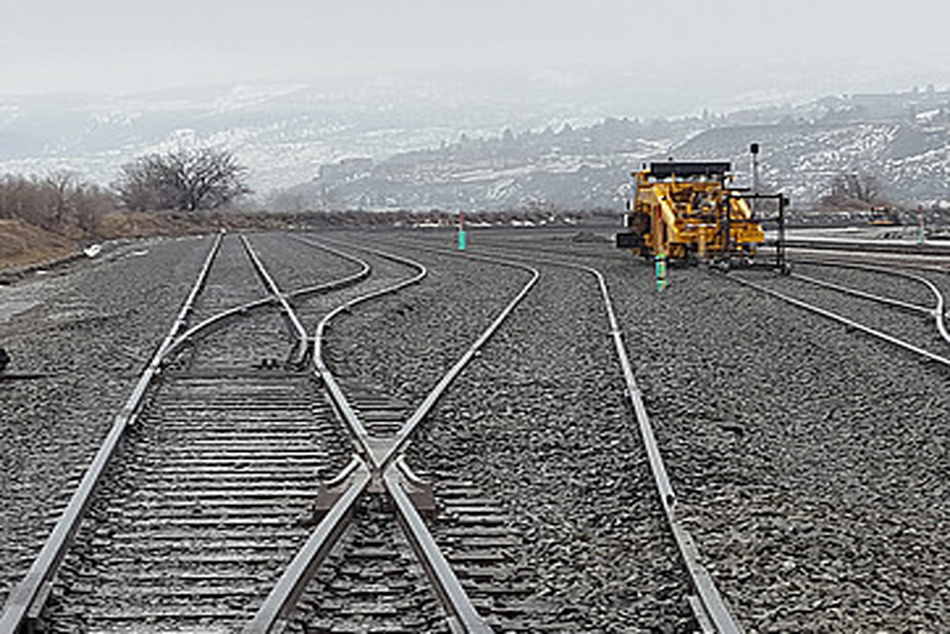
Railcar downtime drains profitability. Learn how component reliability, real-time monitoring, and smarter procurement decisions reduce failures, improve visibility, and strengthen overall fleet performance.
Downtime Is the Silent Profit Killer
In the high-stakes environment of freight rail, operational efficiency is everything. When a railcar goes out of service, the ensuing freight car downtime is not a minor inconvenience; it is a silent, systemic profit killer. Even a single sidelined freight car can rapidly disrupt switching operations, trigger escalating demurrage fees, and severely reduce yard throughput.
The majority of these unscheduled incidents can be traced back to premature part failures. This is especially true for high-stress components like bolsters, side frames, and bearings, the core structural and motion elements of the car. But profitability losses aren’t limited to mechanical failures alone. Lost cars, unmonitored track zones, and down AEI sites all create operational blind spots that compound the financial impact. Without reliable, real-time visibility into rolling stock location and system health, rail operators can lose both time and money waiting to identify where breakdowns have occurred.
As rail networks push for maximum velocity and minimum dwell time, the question of railcar parts reliability has moved beyond the maintenance shed; it is now recognized as a direct financial variable and a key determinant of operational success.
How Downtime Adds Up: The Economics Behind Every Idle Hour
The financial impact of an idle railcar is immediate and exponential. Typical Class I and short line carriers can lose thousands of dollars per day in missed throughput when rolling stock is sidelined for repairs. The cost isn’t limited to a lost opportunity; it includes hard penalties and compounding inefficiency.
Consider a realistic scenario: a unit train carrying high-value goods suffers a malfunction because of one faulty bolster. This triggers a delay not just for that train, but for every subsequent movement on that track segment. The resulting costs include:
- Demurrage Cost: Steep penalties assessed by ports or customers for exceeding loading or unloading windows.
- Missed Throughput: Lost revenue from goods that could have been delivered and billed.
- Operational Ripple Effects: The delay cascades through scheduling, leading to yard congestion and inefficient crew utilization across the network.
- Customer Dissatisfaction: Damaged long-term relationships and potential loss of future business.
When combined with down site monitoring or incomplete track zone coverage, these issues multiply. Lost AEI reads and disconnected sensors can mask the true cause of a problem, whether a part failure, brake issue, or communication fault, forcing operators to rely on manual tracking and slowing recovery times.
Implementing track zone monitoring mitigates these risks. By segmenting the rail network into monitored zones, operators can pinpoint where and when a car goes offline, identify inactive sites immediately, and dispatch maintenance teams faster. This real-time visibility reduces diagnostic time, minimizes dwell, and helps prevent lost cars or unreported mechanical events from escalating into costly outages.
In this environment, optimizing railcar cycle time and improving monitoring coverage across track zones is critical, making superior maintenance ROI and system uptime the ultimate objective.
Why Inferior Parts Fail Faster
The difference between a reliable part and a failure-prone one often comes down to fundamental manufacturing quality and material science. When components are rushed or improperly manufactured, they introduce risk into the system.
Here are the critical failure points for low-quality parts:
- Substandard Materials: Using low-grade steel or foregoing proper heat treatment accelerates deformation and structural wear under typical operating conditions.
- Microfractures and Fatigue: Substandard casting quality or improper reconditioning introduces stress points, creating microfractures that quickly lead to fatigue cracking under the repeated, intense load cycles of a moving freight car.
- Non-AAR Compliance: Parts that are not AAR-certified components may fail to meet the industry’s strict tolerance and hardness standards. This non-compliance is a direct path to early service failures and catastrophic events.
To mitigate these risks, fleet operators must prioritize inspection, certification, and traceability in the part procurement process, validating that all components meet rigorous reconditioning standards.
Reliability is Measurable
Every hour of freight car downtime has a cost and when combined with unmonitored track zones or down AEI sites, that cost multiplies. The result is more than lost revenue; it’s diminished visibility, lower network efficiency, and weakened customer confidence.
Choosing the right components and maintaining complete monitoring coverage is not a matter of purchasing preference; it is a measurable, strategic performance decision. Long-term success in high-velocity rail operations relies on proven reliability, continuous data visibility, and trusted partnerships that keep the entire network moving.