First Rail Lines to Join Greater Manchester’s Bee Network in December 2026
Transport for Greater Manchester (TfGM) has published a detailed plan for bringing local rail services into the Bee Network, with the first lines scheduled to join the integrated transport system in December 2026.

Transport for Greater Manchester (TfGM) has published a detailed plan for bringing local rail services into the Bee Network, with the first lines scheduled to join the integrated transport system in December 2026.
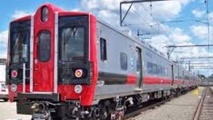
Mayor Andy Burnham outlined the next stages of the programme alongside rail industry leaders at Manchester Piccadilly, where a yellow-branded Northern train was unveiled to mark the countdown. The initiative forms part of the city-region’s wider strategy to deliver a unified public transport offer across buses, trams, trains and active travel.
First lines to join in 2026
From 13 December 2026, the Glossop and Stalybridge lines will become the first rail routes to operate within the Bee Network. Seventeen stations will adopt new branding and customer information points, and contactless ‘tap in, tap out’ payment will be introduced with weekly fare caps for rail.
Further lines are planned to follow in 2027 and 2028, extending the contactless system and integrating fares across all modes. By January 2028, eight rail lines covering 64 stations are expected to be part of the network, with the remaining 32 stations joining by 2030.
Andy Burnham, Mayor of Greater Manchester, said:
With one year to go until rail joins the Bee Network, we are on the cusp of delivering a fully integrated, world-class transport system for our global city-region. These changes will make everyday journeys easier and open up new opportunities for people across Greater Manchester. I am excited for what the next twelve months will bring as we build a better, more connected future for us all.
This is just the beginning—more rail lines will follow in 2027 and 2028, as we continue our journey to make travel safer, easier and better connected to local communities, so people feel they are getting good value for money.
Bringing rail into the Bee Network, alongside our long-term vision for rail in Greater Manchester, are all part of our plan and commitment to maximise good growth across the city region for the next decade and beyond which our residents and businesses deserve. This transformation draws clear parallels with Greater Manchester’s successful bus franchising rollout, which has delivered improved services, simpler fares, and greater local accountability.
Changes in the year ahead
The plan sets out a sequence of actions over the next 12 months:
- Simplified fares: A new structure from 7 December will prepare the ground for integrated contactless ticketing in 2026.
- Disruption ticket acceptance: From December 2025, passengers affected by disruption will be able to use their tickets across bus, tram and train within Greater Manchester.
- Digital upgrades: Station information will be added to the Bee Network app and TfGM website by March 2026, with real-time rail data and journey planning following later in the year.
- 24-hour airport services: TransPennine Express plans to introduce overnight trains to Manchester Airport from May 2026
- Station improvements: Refurbishment of the first 17 stations will begin in summer 2026. Enhancements around nearby bus and tram stops will commence in spring 2026.
- Major interchange hubs: TfGM will work with the rail industry on coordinated improvements at Manchester Piccadilly and Victoria, including signage, live information and passenger support.
- Step-free access: Building on schemes at Daisy Hill and Irlam, work has begun at Bryn, with Hindley, Reddish North and Swinton to follow in 2026.
- New multi-modal ticket: From December 2026, a pre-pay Bee Network ticket valid across buses, trams and trains will be introduced.
Pilot projects and additional services on the Airport, Alderley Edge and Rochdale stopping lines are planned from 2027.
Transport-led regeneration
Greater Manchester will also test a new approach to development around rail stations through a Mayoral Development Corporation-led regeneration and growth corridor for Ashton and Stalybridge. The model aims to link transport improvements with new housing and employment opportunities around stations.
With one year remaining before the first services are brought into the Bee Network, the region has set out a phased programme intended to simplify travel, improve reliability and better connect communities. The coming months will see preparatory work across fares, digital information and stations ahead of full integration beginning in December 2026.