Unlocking the Iran–Pakistan Transit Bottleneck from Karachi to the Border
At a time when security uncertainties and disruptions affecting parts of the region’s maritime trade have increased transport costs and transit times around the Persian Gulf, the Iran–Pakistan land corridor can serve as a complementary and shock-absorbing route to help sustain the flow of goods.
At a time when security uncertainties and disruptions affecting parts of the region’s maritime trade have increased transport costs and transit times around the Persian Gulf, the Iran–Pakistan land corridor can serve as a complementary and shock-absorbing route to help sustain the flow of goods.
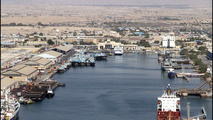
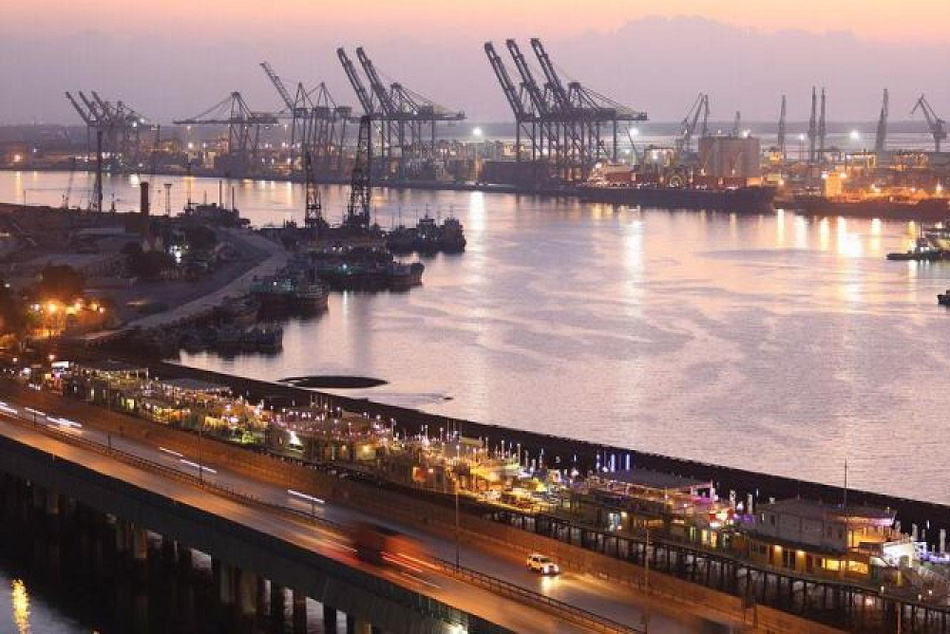
However, developments on the ground indicate that cargo transit from Pakistan into Iran—particularly following the detention of a significant number of Iranian import containers at Karachi Port—has been facing serious bottlenecks. Despite official understandings and repeated exchanges between the two neighboring governments, the Islamic Republic of Iran and Pakistan, such efforts have not yet translated into any meaningful improvement in day-to-day operations.
از توافق تا اجرا برای بازگشایی گره ترانزیت ایران و پاکستان از کراچی تا مرز
Global experience with transit corridors clearly demonstrates that political agreements only lead to genuine trade facilitation when they are translated into joint executive mechanisms, harmonized Standard Operating Procedures (SOPs), system connectivity, and measurable performance indicators.
1. Key Factors Behind the Slowdown and Deadlock in the Iran–Pakistan Corridor
A number of overlapping constraints have simultaneously contributed to the disruption and inefficiency of the Iran–Pakistan corridor:
- Security-related risks and rising insurance and operational costs , resulting in duplicate controls, prolonged delays, and a sharp decline in the predictability of transit times.
- The multiplicity of intervening authorities and the absence of a genuine Single Window at the border , turning the process into a multi-layered queue of fragmented procedures and case-by-case decision-making.
- Documentary and transit guarantee bottlenecks , including inconsistent interpretations of procedures, repetitive seal/weighing/scanning controls, and document-related discrepancies that lead to further delays.
- Financial and settlement constraints in logistics charges , increasing the level of operational risk for service providers and adding further friction costs to the corridor.
- Congestion and weak operational clearance mechanisms at Karachi Port —whether documentary, security-related, or operational—which have slowed and made more costly the onward overland movement of transit containers destined for Iran, while also triggering a wave of demurrage and storage charges.
- Biases in the handling of transit cargo and conflicting interests among intermediary actors , which may create hidden resistance to seamless and direct cargo movement.
2. Specific Executive Demands from the Ministries of Foreign Affairs and Transport in Both Countries
In order to move beyond the current situation, it is recommended that the relevant ministries in Tehran and Islamabad replace broad and general negotiations with a time-bound executive package featuring measurable outcomes .
1) Immediate Action on the Containers Stranded in Karachi
Shared responsibility: Ministry of Foreign Affairs + Ministry of Transport/Roads
- Establish an emergency joint task force for the clearance of Iranian containers stranded in Karachi , with authority to resolve individual cases and with representatives empowered to make decisions on behalf of the port, customs, and relevant control agencies.
- Prepare a case-based inventory including container number, shipping line, reason for detention/accumulation, duration of delay, and accumulated charges, and set a firm deadline for final disposition of each case.
- Develop a localized through-transit solution for the overland exit of cargo bound for Iran , at least for low-risk consignments, in order to reduce demurrage and prevent the further escalation of costs.
2) Turning the Border into a “Point of Passage,” Not a “Point of Delay”
Lead responsibility: Ministry of Transport/Roads
- Draft and implement a joint border SOP , covering required documents, seal acceptance, weighing rules, scanning protocols, and the minimization of repetitive inspections based on risk management principles.
- Synchronize working hours on both sides of the border and introduce dedicated operational windows during peak periods and congestion, even on a pilot basis.
- Establish and/or strengthen minimum operational infrastructure , including secure parking, adequate weighbridges, a dedicated transit lane, and a transparent truck/vehicle queue management system.
3) Reducing Documentary Friction Through Pre-Arrival Processing and Procedural Connectivity
Ministry of Foreign Affairs for inter-agency coordination + Ministry of Transport/Roads for implementation
- Introduce pre-arrival cargo information exchange and manifest matching prior to arrival at the port or border in order to reduce documentary obstacles and facilitate the timely issuance of required transit documents.
- Establish a Green Transit Lane for low-risk cargo , allowing transit on the basis of risk-based controls rather than blanket inspections.
3. Cost Transparency and Predictability: A Precondition for Restoring Market Confidence
To rebuild confidence in the corridor, both sides should publish and enforce an official and transparent schedule of charges applicable at the port and border—including THC, storage charges, penalties, and service tariffs—while also establishing a rapid dispute resolution mechanism for related claims and discrepancies.
Proposed Monthly KPIs for Public Reporting
For the market to regain confidence in the corridor, it is essential that both parties monitor and publish the following indicators on a monthly basis:
- Average container release time from Karachi Port to the border
- Average border crossing time for inbound and outbound traffic
- Percentage of consignments subject to inspection and the number of repetitive controls eliminated
- Number of cases resolved and average processing time per case
- Average detention cost, including demurrage and storage, across specified time intervals
Conclusion
From both a geopolitical and economic perspective, the Iran–Pakistan corridor has the capacity to become a reliable and complementary route . Yet this can only happen if the corridor is moved from the level of general agreements to the level of day-to-day operational execution .
What transport and trade stakeholders expect is not merely a repetition of supportive political positions, but rather specific, time-bound, and measurable executive decisions —decisions capable of restoring time certainty and cost predictability to this corridor.
With highest regards,
Amirsalman Afshar
Managing Director
Arya Sarban Asia International Transport Company