Hydrogen Hopeful Fokker Next Gen Ends Presence In Latvia
Fokker Next Gen, which plans to develop a hydrogen-powered airliner, has closed its legal entity in Latvia to focus its main activities in the Netherlands according to LIAA, the Baltic nation’s investment and development agency.
Fokker Next Gen, which plans to develop a hydrogen-powered airliner, has closed its legal entity in Latvia to focus its main activities in the Netherlands according to LIAA, the Baltic nation’s investment and development agency.
In December 2023, Fokker Next Gen signed a series of agreements that could lead to establishing a second final assembly line in Latvia. LIAA has been supplying non-material support to the company, including access to institutional partners, research ecosystem and international cooperation platforms.
A 2023 memorandum of understanding (MOU) with the Latvian Economics Ministry covered development of a hydrogen aircraft project as part of a green energy cluster on the Kurzeme coast.
Another MOU with the Liepaja Special Economic Zone (SEZ) laid the groundwork for a feasibility study for building a final assembly line in the vicinity of Liepaja International Airport in western Latvia.
Fokker Next Gen also signed a cooperation agreement with Riga Technical University to improve the education, research and innovation environment in Latvia to support implementation of the hydrogen aircraft project. In 2024, Latvian airline airBaltic signed an MOU to collaborate with the Dutch company, providing operator insights to feed into development of the aircraft.
“The closure only applies to the local legal structure in Latvia. Fokker Next Gen will maintain the memoranda of cooperation concluded with the Ministry of Economics, Liepaja SEZ, Riga Technical University and airBaltic. These may be activated depending on the company’s further development steps,” says LIAA, adding it is ready to continue cooperating with the company after its reorganization.
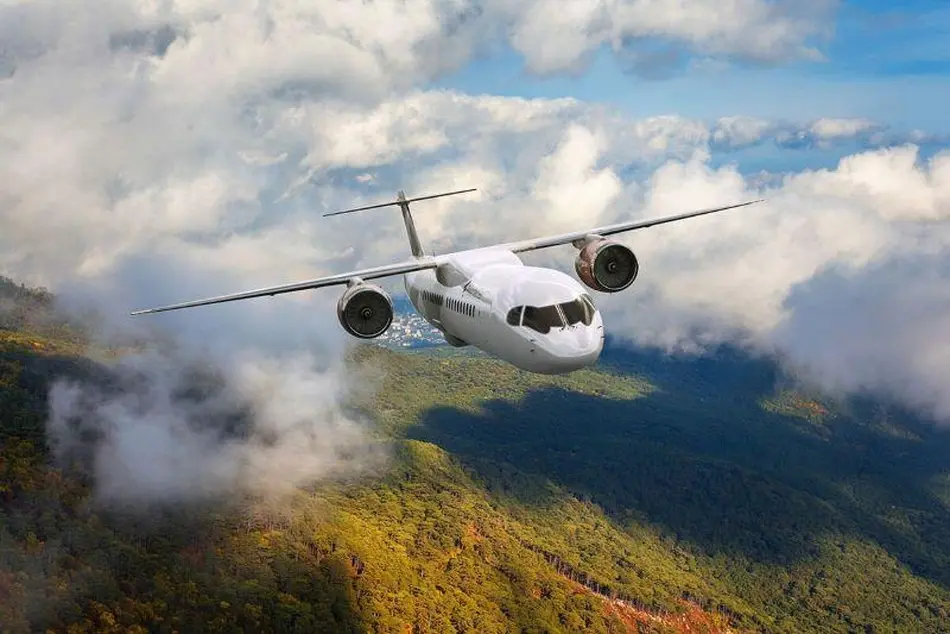
Fokker Next Gen is working to develop a liquid-hydrogen-powered, 120-150-seat aircraft with a range of up to 2,500 km (1,350 nm), aiming for service entry in 2035. “The international investment environment is currently challenging for many high-tech companies, and restructuring is not uncommon,” LIAA says. “Fokker Next Gen’s decision to concentrate its activities in the Netherlands is an internal process within the group.”