Citing Oversupply, GOL Opts To Shift Some Capacity Away From Argentina
Brazilian operator GOL is making adjustments on routes to Argentina in the second half of this year after determining those markets were experiencing overcapacity.
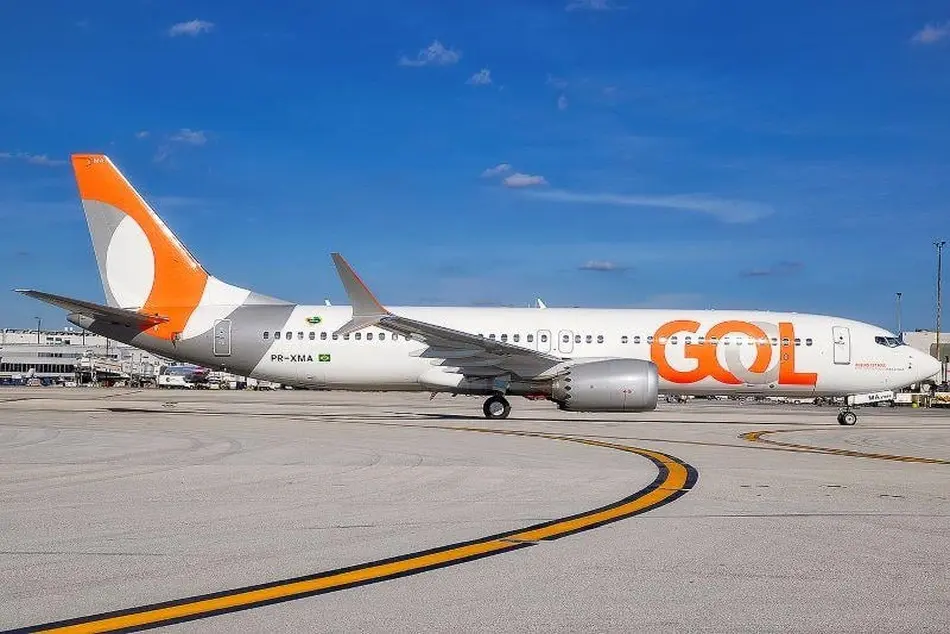
Brazilian operator GOL is making adjustments on routes to Argentina in the second half of this year after determining those markets were experiencing overcapacity.
Speaking on the company’s first earnings discussion after exiting Chapter 11 bankruptcy protection in June, GOL CEO Celso Ferrer said, “we saw a great first beginning of the year,” in the Argentinian market, but multiple operators added capacity and there is oversupply “at this point.”
During the last couple of years, Argentina has forged open skies with numerous countries, and data gathered by the country’s government show the country’s international flights were up 19.3% year-over-year in September.
Ferrer said GOL was adjusting capacity to Argentina in the third and fourth quarters, “and we are putting those planes” back into the domestic market, “which is performing well.” According to CAPA-Centre for Aviation, Argentina currently represents 60.2% of GOL’s international departing frequencies. The carrier offers flights from Brazil to Buenos Aires Aeroparque and Ezeiza airports, Mendoza and Cordoba.
Domestically, GOL is focused on places “where it is used to being very strong,” Ferrer said, pointing specifically to Rio de Janeiro and Salvador. On a system basis, Rio and Salvador are GOL’s third- and fifth-largest bases measured by departing frequencies, CAPA data show.
“Most of our growth is concentrated in a few bases where we have a network effect. As we grow ... we create more connections, and then we are able to increase load factors,” Ferrer said.
GOL’s load factor in the third quarter increased 0.8 percentage points year-over-year to 84.1% on 8.9% capacity growth. Its total revenue increased 11.6% year-over-year to BRL5.5 billion ($1.04 billion), with unit revenues and yields growing 2.5% and 2.1%.
The company’s expenses increased 8.1% year-over-year to BRL4.7 billion. GOL reversed a third quarter net loss of BRL1.4 billion in 2024 to a BRL248 million net profit this year.
At the end of the third quarter, GOL had an operational fleet of 120 Boeing 737NG/737-8s, up from 107 the year prior.
Commenting on GOL’s future, Adrian Neuhauser, CEO of the company’s parent Abra Group, concluded: “We believe that GOL is well positioned to continue growing profitably and creating a lot of value.”