From AI-Assisted Driving to Robotaxis: How AI Is Reshaping Mobility
Artificial intelligence is transforming road transportation, from advanced driver-assistance systems to autonomous ride-hailing, as Aptiv, Zoox and Bolt advance vehicle automation through AI technology and real-world deployments.
Artificial intelligence is transforming road transportation, from advanced driver-assistance systems to autonomous ride-hailing, as Aptiv, Zoox and Bolt advance vehicle automation through AI technology and real-world deployments.
Artificial intelligence is becoming an increasingly important part of the automotive industry, transforming how vehicles perceive their surroundings, assist drivers and navigate roads. While fully autonomous transportation remains at different stages of development and deployment, recent announcements from Aptiv, Zoox and Bolt illustrate how the industry is moving from advanced driver-assistance technologies toward more automated mobility services.
The developments span different levels of vehicle automation, from AI-powered systems designed to support drivers to robotaxis operating in real-world urban environments.
Aptiv Introduces AI-Powered Platform for Vehicle Automation
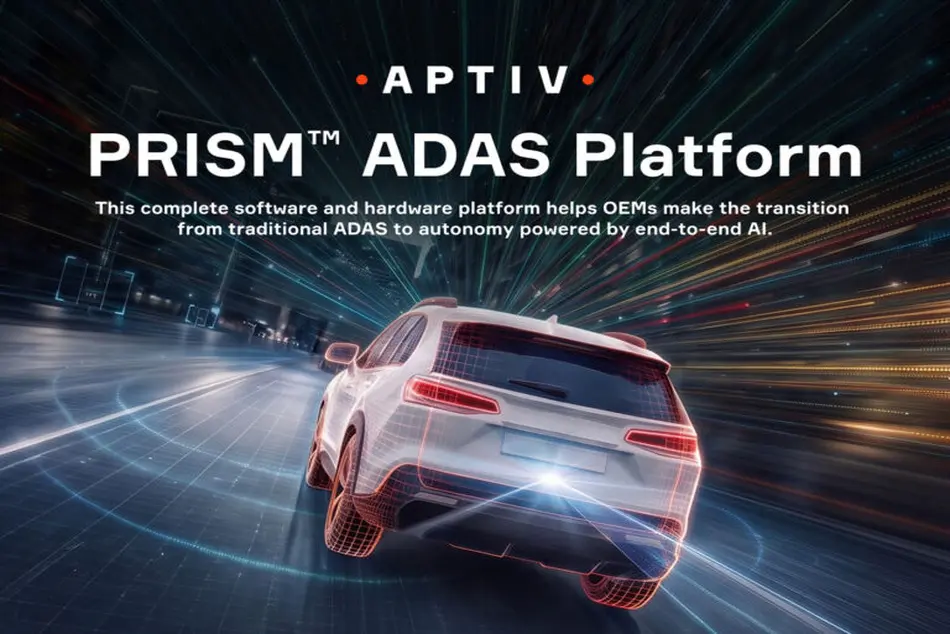
Aptiv has introduced PRISM, a next-generation advanced driver-assistance systems (ADAS) platform designed to support the development of increasingly automated vehicles.
The platform combines AI-powered driving intelligence, sensor fusion and an open software architecture, supporting automation levels from L0 to L2++.
PRISM integrates radar and camera technologies with AI-driven perception and decision-making capabilities. According to Aptiv, the system is designed to operate without relying on high-definition maps and to support driving across urban and highway environments, including challenging weather and lighting conditions.
Its open architecture is intended to allow automakers to integrate different computing, sensor, software and cloud technologies, while transferring development and validation assets across vehicle platforms.
The platform also incorporates Aptiv's Data Environment, a cybersecure infrastructure combining vehicle data, cloud-based simulation and over-the-air software deployment to support continuous development and improvement.
Aptiv claims PRISM can deliver performance comparable to leading hands-free driving systems at half the cost. The company has not provided further comparative details in its announcement.
The platform is expected to be demonstrated at CES 2027.

Zoox Begins Initial Robotaxi Operations in Los Angeles
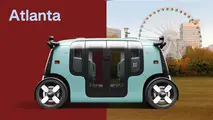
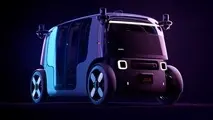
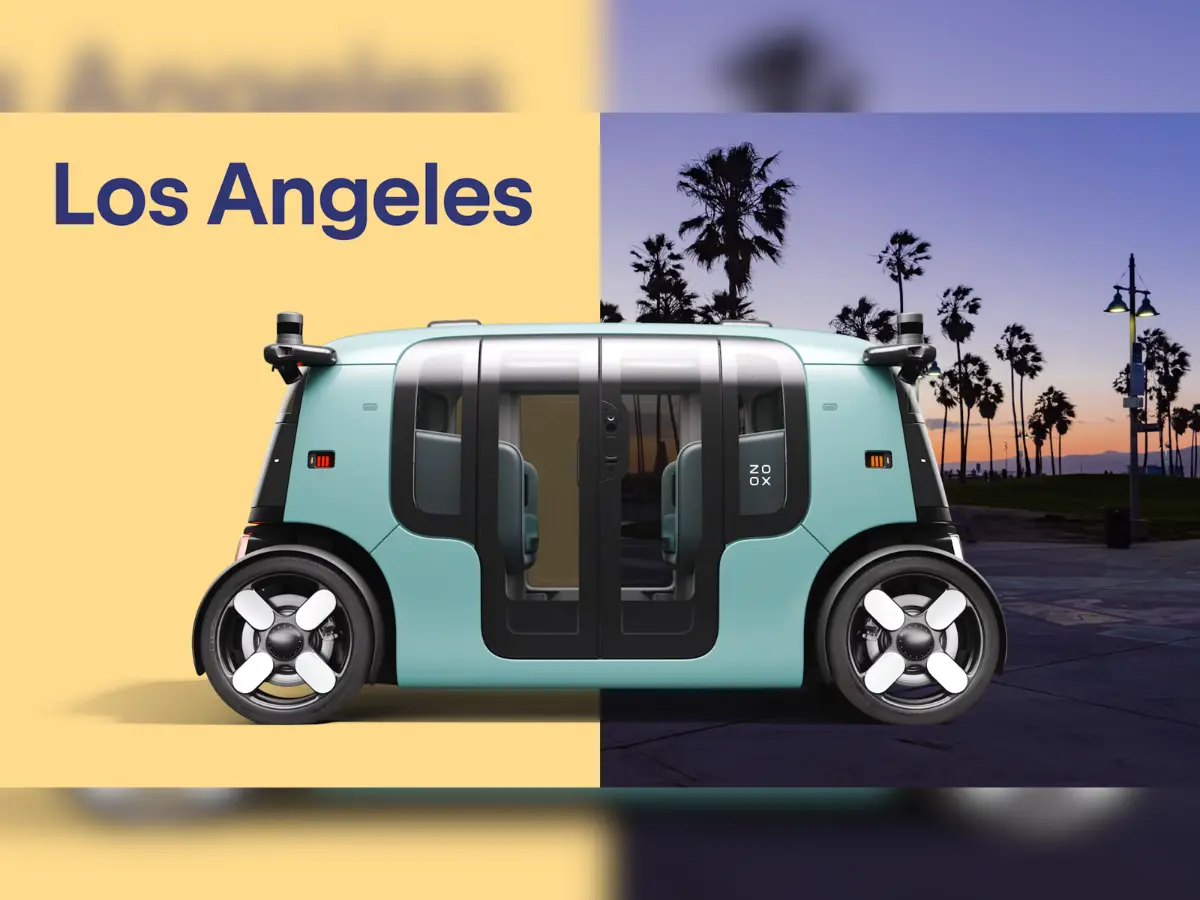
Zoox has launched its initial robotaxi operations in Los Angeles, marking another expansion of its autonomous ride-hailing activities in the United States.
The initial deployment is centred on Santa Monica, with the company planning to expand its service area as operations progress. At this stage, rides are limited to Zoox employees, their families and friends.
The company plans to open its Los Angeles waitlist in 2027 ahead of introducing its Zoox Explorers early-rider programme.
Zoox has been preparing for the deployment through testing in Los Angeles since spring 2025, studying local driving behaviour, weather conditions and the city's mix of coastal roads and dense urban streets.
The Los Angeles launch adds to Zoox's broader expansion, following its operations and rider programmes in other US cities.
The development reflects the gradual introduction of purpose-built autonomous vehicles into urban environments, although access to the Los Angeles service remains restricted during its initial phase.
Bolt Starts Autonomous Driving Operations in Luxembourg
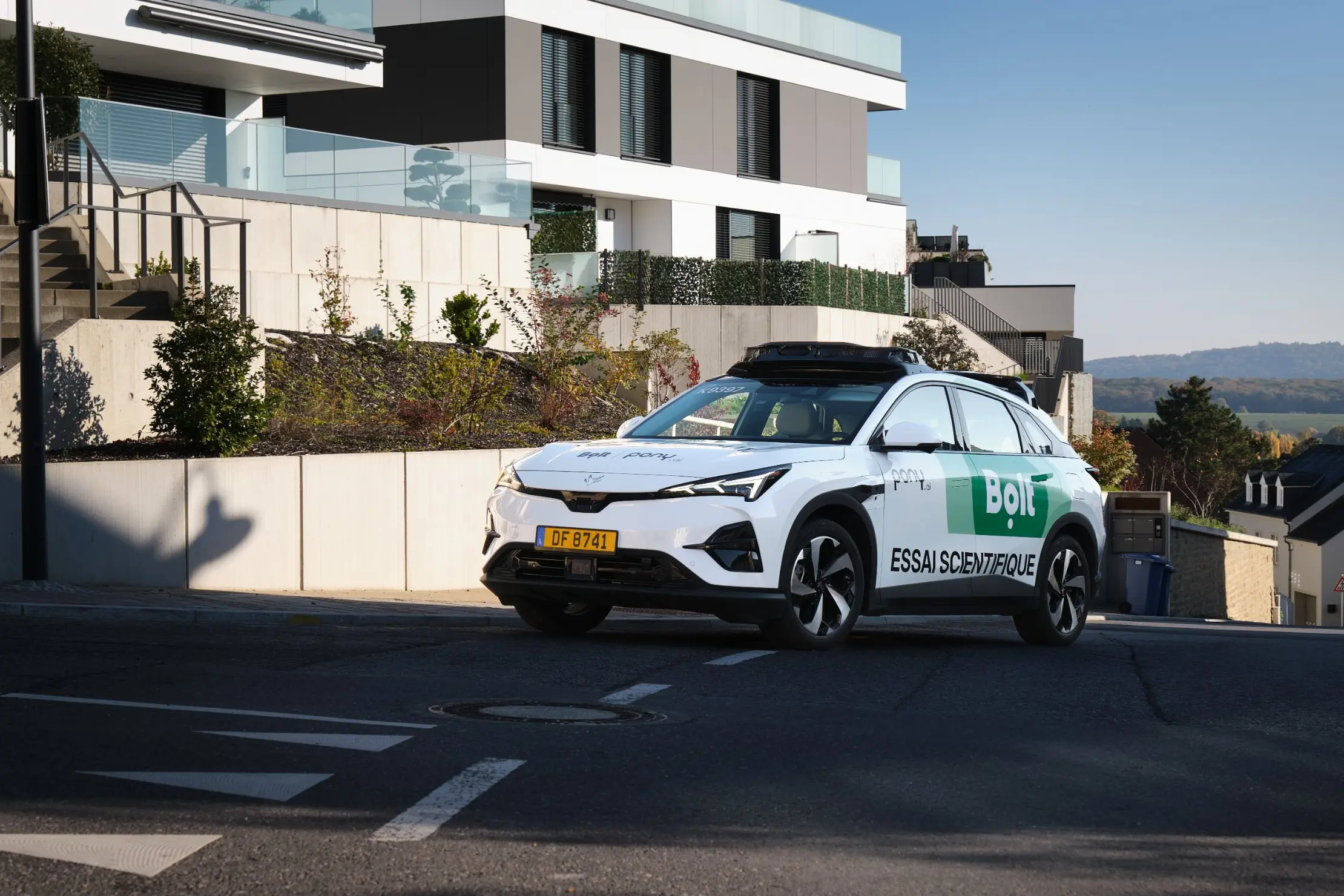
Bolt has begun operating Level 4 autonomous vehicles in Luxembourg in partnership with autonomous-driving technology company Pony.ai.
The deployment uses Pony.ai's seventh-generation driving system, with five vehicles initially operating in the communes of Bissen and Niederanven under a national scientific permit effective from November 1.
The vehicles operate in autonomous mode with trained safety operators on board. The programme is not yet offering rides to the public, and commercial passenger services are expected to be introduced in a later phase, subject to further coordination with Luxembourg authorities.
Bolt plans to expand the fleet and operating area as the programme progresses, with the deployment intended to test the wider ecosystem required for autonomous mobility, including vehicle technology, operational services and regulatory approval.
The company has also outlined a long-term ambition to bring 100,000 autonomous vehicle
s onto its platform by 2035.
Luxembourg represents Bolt's first deployment aimed at testing a complete autonomous mobility service ecosystem.
From Driver Assistance to Driverless Mobility
The three developments demonstrate that vehicle automation is progressing along different but interconnected paths.
Aptiv is developing the technology that enables vehicles to interpret their surroundings and assist drivers through increasingly advanced automation. Zoox is expanding purpose-built robotaxi operations, while Bolt is testing how autonomous vehicles can be integrated into an urban mobility service.
However, these technologies are not operating at the same automation level. Aptiv's PRISM platform focuses on driver-assistance and lower automation levels, while Bolt's Luxembourg deployment is designated Level 4, with a safety operator still present in the vehicle during the current programme.
The distinction is important: advanced driver-assistance technology does not necessarily mean a vehicle can operate without human supervision, and autonomous operations under controlled conditions do not automatically indicate unrestricted commercial deployment.
As AI technology advances, the industry's challenge is no longer limited to developing vehicles capable of automated driving. It also involves validating safety, building public trust, adapting regulations and creating reliable services that can operate consistently in real-world conditions.
The latest developments suggest that the transition toward more automated mobility is continuing—but it is taking place in stages, with technology, testing and deployment progressing at different speeds across markets.