Wabash ramps up hiring in Q3, Q4 as trailer demand rises
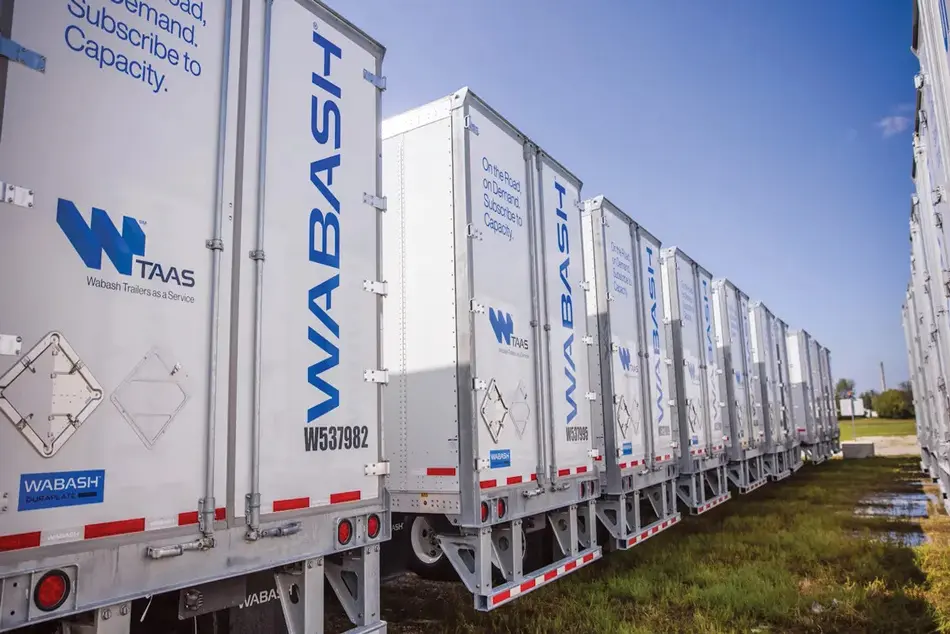
Trailer manufacturer Wabash plans to increase dry van production line staffing in the fourth quarter of 2026 after already raising hourly head count on those lines by 15% in the third quarter, the company’s top executive said.
Trailer manufacturer Wabash plans to increase dry van production line staffing in the fourth quarter of 2026 after already raising hourly head count on those lines by 15% in the third quarter, the company’s top executive said.
The increase in head count was moved up from the first quarter of 2027, CEO Brent Yeagy told analysts and investors during Wabash’s third-quarter 2026 earnings call, adding: “Effectively, by the end of the year, all second-shift production will be turned on.”
Wabash, the only publicly listed U.S. trailer manufacturer and therefore a unique window into demand dynamics, exemplifies a sharp turnaround in the trailer market. As recently as March, the company was cutting jobs due to a surplus of trailers.
But in July, Wabash opened its order book for 2027 dry van trailer production slots a couple of months earlier than usual, citing a turnaround in demand from carriers. Dry van trailers are Wabash’s biggest market.
Lafayette, Ind.-based Wabash typically opens its order book for the coming year in the fall, but said fleets were asking for earlier access to configurations, delivery windows and pricing.
The decision was vindicated by orders booming toward the end of the most recent quarter.
The company’s 2027 dry van backlog was above 12,000 units toward the end of Q3, almost 16,000 units by the end of the quarter and almost 20,000 units by mid-October, with more orders in the process of closing, Yeagy told analysts Oct. 29.
As of Sept. 30, the company’s total order backlog — Wabash also builds refrigerated van, flatbed and tanker trailers — was around $1.2 billion, an increase of $242 million or 25.3% compared with $956 million at the end of the second quarter of the year.
Dry van trailer shipments during the most recent quarter were stronger, the company’s Q3 earnings show. Wabash posted Q3 revenue of $476.4 million, a 24.8% increase compared with $381.6 million in the year-ago period.
Following the head count additions, Wabash expects to be producing dry van trailers at an annualized rate of 42,000 to 45,000 units by the end of 2026.
“In dry vans, we see improving demand conditions, significant deferred replacement needs, a more constructive regulatory and trade backdrop, and ample Wabash capacity to participate as the market strengthens,” Yeagy said.
Wabash expects baseline industrywide demand of 135,000 to 140,000 dry van units in 2027, although the upside potential is robust, said the company’s top executive. Meantime, the likelihood is growing that 2028 will see demand in a 165,000- to 175,000-unit range, he added.
Should demand exceed baseline expectations, Wabash will be able to meet the additional demand with overtime for existing employees and those joining its team in Q4. At the moment, Wabash is unlikely to add a third shift in 2027, Yeagy said.
Still, ACT Research preliminary data shows September trailer orders surged 311% year over year to 42,700 units. September’s total also rose 75% compared with August.
FTR Transportation Intelligence data puts trailer orders at 43,059 units for September, the highest tally since December 2022.
Those orders are all about replacement demand, trailer manufacturers told TT in September, but buyers could face some sticker shock if they haven’t made any purchases in some time.