Iran Deepens Maritime Capabilities: Direct Kazakh Investments, Fleet Rank, and Port Modernization Outlined
In an exclusive interview with IRIB News Channel marking International Seafarer’s Day, Captain Allah-Morad Afifipour, the Acting Deputy for Maritime Affairs at the Ports and Maritime Organization (PMO), detailed Iran's expanding maritime logistics. Key highlights include the nation's reliance on sea trade, strategies to counter sanctions, and technical details surrounding a landmark 27-year investment treaty with Kazakhstan.
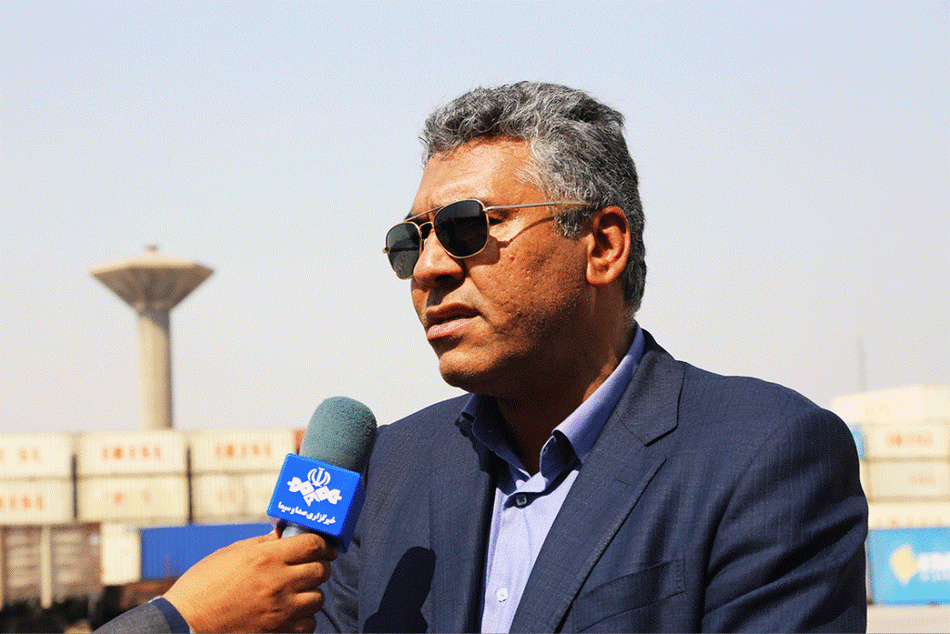
In an exclusive interview with IRIB News Channel marking International Seafarer’s Day, Captain Allah-Morad Afifipour, the Acting Deputy for Maritime Affairs at the Ports and Maritime Organization (PMO), detailed Iran's expanding maritime logistics. Key highlights include the nation's reliance on sea trade, strategies to counter sanctions, and technical details surrounding a landmark 27-year investment treaty with Kazakhstan.
Afifipour emphasized the vital role of the maritime sector in Iran's economy, noting that 90% of the country's foreign trade is conducted via sea routes—surpassing the global average of 80% to 85%. This high volume is driven by Iran's extensive access to open waters and numerous commercial ports in both the north and south. Iran’s ports currently possess an aggregate capacity of 300 million tons per year, and actual annual cargo throughput encompassing oil, commodities, and development cargo regularly hits this ceiling. To accommodate future growth, active infrastructure expansions are progressing rapidly at Shahid Rajaee Port, where Phase 3 development is expanding Iran's largest container hub, alongside major development initiatives at the regional hubs of Bushehr, Genaveh, and Chabahar.
While acknowledging that international sanctions have created logistical and welfare challenges for crew rotations and seafarer families, Afifipour praised the resilience of Iranian mariners, stating that domestic shipping operations continue uninterrupted. In terms of global standings, Iran’s merchant fleet currently ranks 25th globally, with strategic plans underway to break into the top 20. This is supported by a robust domestic training network where the country operates 62 maritime training centers and 4 specialized universities equipped with advanced simulators. Reflecting compliance with international standards, Iran has signed certificates of recognition agreements with 32 nations, validating the high caliber of Iranian maritime licenses internationally.
Providing further clarity on the upcoming strategic pact with Kazakhstan, Captain Afifipour confirmed it represents Iran's first full foreign direct investment (FDI) contract in port terminal management. Kazakhstan requested dedicated terminal space at Shahid Rajaee Port to bridge its trade into northern and southern corridors. Under this contract, which will be finalized shortly, the Kazakh side will fully equip a cargo terminal to facilitate an annual transit of 1.5 million tons along the International North-South Transport Corridor (INSTC). The project features a two-year infrastructure development phase followed by a 25-year operational lease. Crucially, the PMO official confirmed that 100% of the port labor force for this terminal will be sourced from local and domestic workers, directly boosting the economy of Iran's coastal communities.
Looking toward long-term expansion, the Makran Oceanic Port project on the Sea of Oman is moving forward through active inter-agency administrative clearances. The mega-hub is designed for three development phases with a final target capacity of 151 million tons and will incorporate state-of-the-art smart-port technologies.
On the digital front, the PMO has achieved comprehensive automation of seafarer registration, testing, and licensing through its Integrated Maritime System, which tracks vessel traffic from entry to exit across Iranian territorial waters. Advanced monitoring modules have also been successfully designed, tested, and prepared for deployment to manage traffic security specifically in the Strait of Hormuz, the Persian Gulf, and the Sea of Oman.
Finally, addressing ecological sustainability, Afifipour noted that because the Persian Gulf has slow water circulation and sensitive ecosystems like mangrove forests, Iran remains heavily committed to the international MARPOL Convention for preventing marine pollution. Specialized pollution-response equipment has been deployed across all coastal stations, backed by continuous environmental training for maritime operators to safeguard these natural habitats.