|
News Code
99882
Copied
USCG warns how to avoid auto - pilot induced casualties
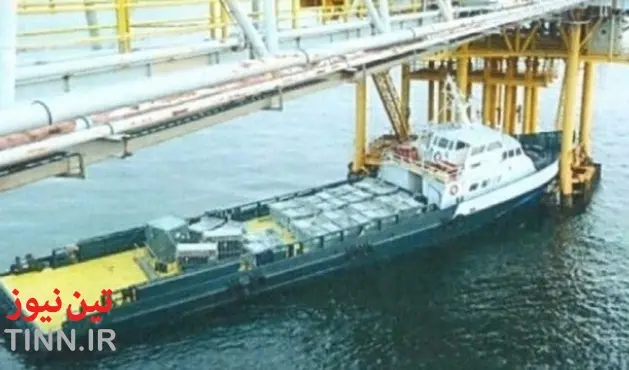
TIN news: USCG has issued a safety alert to address the safe navigation of vessels with auto-pilot engaged. Auto-pilot systems can reduce the monotony of steering by freeing up the helmsman to step away from the helm in order to perform other minor pilot house tasks and gain different navigational viewpoints. There are also disadvantages that have the potential to lead to negligent navigational practices. Over-reliance on these systems can allow an operator to get too engrossed in performing other work on the bridge and, in some extreme cases, can lead to watchstanders leaving the bridge for extended periods of time. This inattentiveness to the vessel’s navigation has led to marine casualties.
In the recent past there have been numerous instances in the Gulf of Mexico where a crew boat or supply vessel and other commercial craft allided with oil rigs or structures or collided with other vessels, causing significant injuries, property damage, platform fires, and oil or gas well shut-ins. These casualties often result in serious injuries and have the potential for multiple fatalities and serious environmental damage. In the “Oil Patch” it is standard practice to engage auto-pilot systems while transiting to and from job sites both in open and in restricted waters (e.g., platform fields), often regardless of visibility. Auto-pilot induced casualties are not limited to commercial oil field vessels and casualties have occurred on other vessel types that are equipped with auto-pilot systems.
It should come as no surprise that when an inattentive operator meets with extreme circumstances, he or she usually has no time to take corrective actions. Also, in some past incidents, when there was time to take corrective action, the operator’s lack of system knowledge hindered the need to rapidly change over from auto-pilot to manual steerage mode.
Specific regulations govern the use of auto-pilots, and these regulations can be found throughout 46 Code of Federal Regulations, with specific applicability within the respective subchapters. (46 CFR 35.20-45, 46 CFR 97.16, 46 CFR 122.360, 46 CFR 131.960, and 46 CFR 185.360) The general regulation found in 46 Code of Federal Regulations reads as follows:
Use of Auto-Pilot – When the automatic pilot is used in areas of high traffic density, conditions of restricted visibility, or any other hazardous navigational situations, the master shall ensure that:
• It is possible to immediately establish manual control of the vessel’s steering;
• A competent person is ready at all times to take over steering control; and
• The changeover from automatic to manual control of the vessel’s steering and the reverse is made by, or under the supervision of, the master or officer of the watch.