|
News Code
95869
Copied
IRU showcases TIR benefits to Arab world
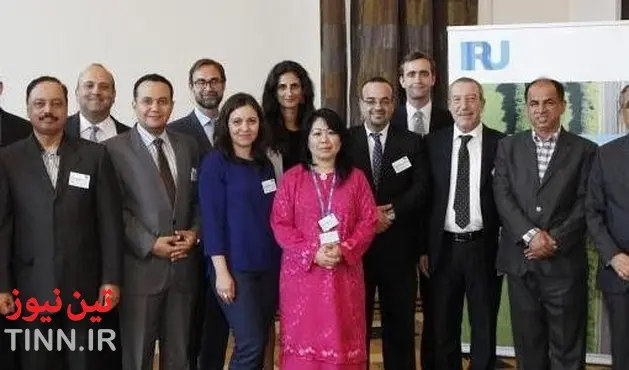
TIN news: IRU highlighted the benefits of implementing TIR to facilitate trade and international road transport, at a World Customs Organization (WCO) meeting in Brussels today.
Representing the Private Sector Consultative Group in a newly set up policy dialogue between the WCO policy commission and the private sector, IRU shared its experiences in working with Customs administrations on trade and transport facilitation in the Middle East and North Africa. Participants included several Customs delegations from European Union member states, the United States, Saudi Arabia, Bahrain, Argentina, as well as private sector representatives.
Rani Wehbe, IRU Senior Adviser for the Middle East, outlined public and private sector benefits of implementing international facilitation instruments, notably the TIR and Harmonization Conventions. He called for more predictability and transparency in the trade and transport community both regionally and globally.
IRU later showcased TIR as the only global customs transit system for enhanced, secure and streamlined procedures for facilitating intra and inter-regional trade, at a dinner on the theme “Customs Transit for the Arab World”. Discussions strongly echoed recommendations from multiple Arab Transport Ministers and Heads of Customs of the Gulf Cooperation Council (GCC) of the Arab States with regard to the accession of remaining GCC countries to the TIR Convention and the pairing of the Arab Transit Agreement to the TIR System.
Heads of Arab Customs and delegations from Algeria, Bahrain, Egypt, Iraq, Lebanon, Oman, Tunisia, the United Arab Emirates and representatives from the Word Customs Organization, the International Chamber of Commerce, League of Arab States and the Agadir Agreement Technical Unit attended the event.