|
News Code
95275
Copied
VPT slashes demurrage to increase cargo
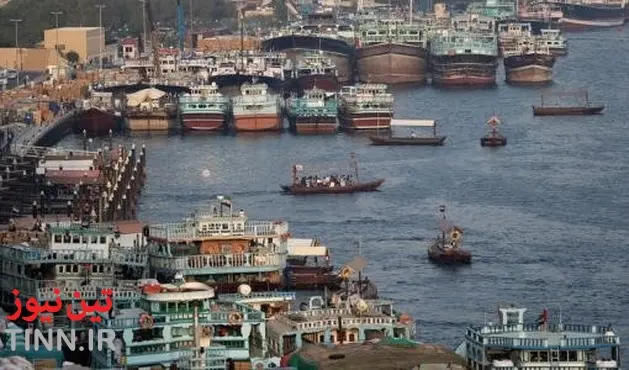
TIN news: In a bold move to tide over recession, the Visakhapatnam Port Trust has dispensed with collecting five to 10 times demurrage for import general cargo and project cargo.
The decision, which has brought cheer to the users, is bound to have a positive impact on increasing cargo handling in the port. Vide resolution No. 30/3/2016-17 at its recent board meeting, the port resolved to extend the levy of normal rate i.e. one-time demurrage with effect from March 3, 2016, on general cargo as well as project cargo which have already arrived and are lying inside the dock area.
The decision puts an end to collection of five to 10 times demurrage for delay in lifting the cargo by the stevedores and handling agents. “The decision, which comes close on the heels of reduction in handling charges, will help us in bring more cargo to the port,” a prominent stevedore told The Hindu .
In another welcome move, the board issued a circular dated July 2, 2016, in which it sanctioned remission of amounts as an incentive to port users moving dry bulk cargo by open top railway wagons. The port will charge a flat upfront rate of Rs.11.5 per tonne from June 17. Once the consignee handles at least 20 per cent or more of outward railway traffic compared to that handled in the previous year, a further concession will be given.
The proposal for general revision of scale of rates submitted to the Tariff Authority for Major Ports (TAMP) has been approved vide its order dated June 21. TAMP has also decided that the order be implemented on expiry of 30 days from the date of order. As such the new rules shall come into force from July 21.
Visakhapatnam Port, which went into commercial operations way back in 1933, ranks fifth among major ports. VPT Chairman M.T. Krishna Babu said their endeavour was to elevate the port to among top three ports in the next few years by improving efficiency parameters and increasing the capacity. The port, which has a capacity of 93 million tonnes, is investing nearly Rs. 4,000 crore on its own and through BOT operators to enhance the capacity to 125 million tonnes in the next two to three years