|
News Code
94460
Copied
Southern California port complex can’t rest on laurels
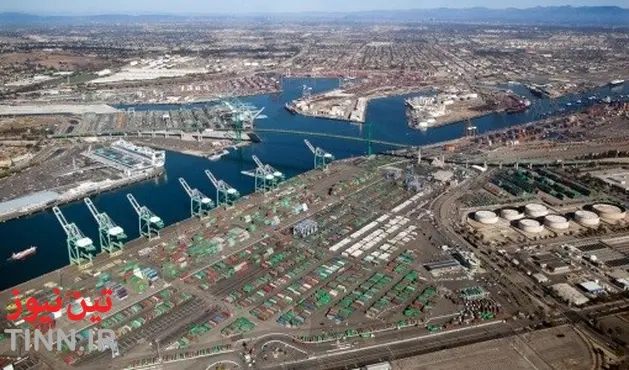
TIN news: The giant Los Angeles and Long Beach port complex is king of the shipping world in the United States, but the crown may be slipping a little with the widening of the Panama Canal.
Last weekend, the much ballyhooed, $5.25 billion expansion of the historic canal opened before world dignitaries and proud Panamanians.
The expanded canal will now allow much larger ships, with thousands more containers of products, to pass through its historic channel.
It means more cargo containers from Asia will have a direct, all-water route to East Coast and southern U.S. ports, avoiding the trucks and trains needed to transfer goods from the Los Angeles/Long Beach ports to markets throughout the nation.
The key question is how much business will be diverted from Los Angeles and Long Beach to other U.S. ports using the expanded Panama Canal.
So far, local port officials are confident of maintaining their position in the shipping world and are not expecting major cargo or job losses to East Coast or Gulf ports.
But that doesn’t mean they should underestimate the potential increase in competition from other U.S. ports which are spending billions to lure new business from Southern California.
Long Beach and Los Angeles officials are investing more than $7 billion in capital projects themselves to make room for even larger megaships that the widened Panama Canal will not be able to handle.
Although there were fears a few years ago that the canal widening would severely disrupt the West Coast shipping dominance, analysts told reporter Rachel Uranga they are forecasting a much milder impact, largely because of delays in port improvements elsewhere and the rise of megaships.
It’s not as if the Los Angeles and Long Beach ports have solved all of their problems.
A 2015 labor-management dispute caused months of congestion problems and huge delays in shipping products. A bitter labor battle in 2002 cost the region $1 billion a day.
This kind of instability does not help the Southern California port complex in competitive battles.
And logistical problems need serious attention and solutions.
The shipping crown is still in place, but more work needs to be done to keep it here.