|
News Code
92213
Copied
PoS Port too small for Panamax ships
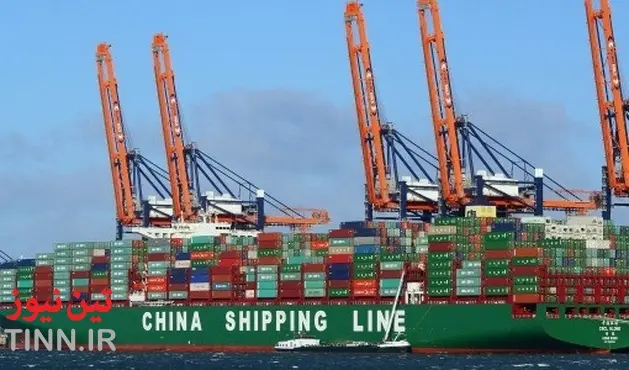
TIN news: Planned expansion of the Port of Port-of-Spain will not be completed in time to gain revenue when the Panama Canal is inaugurated at the end of this month.
“We are not quite ready for the new Panamax-sized vessels. The draft and capacity of these vessels are enormous and some of the ships will definitely not be a fit for our berths,” Trade Minister Paula Gopee-Scoon said yesterday when she spoke to the media about plans for development of T&T’s maritime sector.
Noting that many countries in the region, including Columbia, Venezuela, Jamaica and Cuba, had been investing heavily in development and upgrade of their maritime infrastructure, the minister said to remain competitive, T&T has to accelerate development and upgrade of the sector and “seek to benefit from the inherent opportunities.”
The long-awaited US$5.25 billion Panama Canal expansion project, which is due to open for commercial traffic on June 26, is expected to have a significant effect on maritime traffic across vital international lanes that link the Pacific, the Atlantic and the Gulf of Mexico.
The project is expected to create demand for ports to handle New Panamax ships with a length of 1201 feet and cargo capacity up to 13,000 twenty-foot equivalent units (TEU). Previously it could only handle vessels up to about 5,000 TEU.
She said a committee has been set up to lead a martime expansion project chaired by Rural Development and Local Government Minister Franklin Khan, along with representatives from the Ministries of Works and Transport, Trade, Planning and Development, Tourism, the Secretary for Agriculture, Marine and the Environment in the Tobago House of Assembly and other government officials.
Gopee-Scoon explained: “The official policy framework of the Government of Trinidad and Tobago identifies the maritime sector as one of the sectors for development.
“Our twin-island Republic possesses many strategic advantages which make this country an ideal location for maritime activities.
“These advantages include this country’s geographic location, growing trade links with neighbouring countries, healthy export base, highly educated and diverse work force, vibrant energy sector and low fuel rates.”
She added that over the years, Government has conducted various studies to inform the development of the martime sector although “no targeted advancements could be seen to date.”
Areas identified for expansion include ship repair and dry docking, bunkering, open ship registry, transshipment, coal stacking, port operations, yachting infrastructure development and special economic zones/maritime logistics.
“The ministry proposes to phase the development of these sub-sectors in the short, medium and long-term,” she said.