|
News Code
90247
Copied
Person struck by a wire under tension
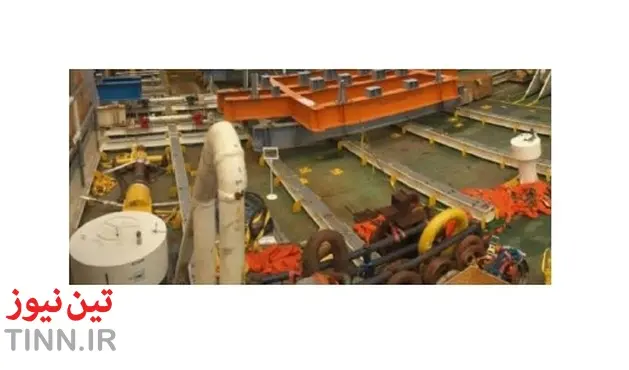
TIN news: IMCA has reported an incident in which a crew person was struck by a wire under tension.The incident occurred when a rigging crew were preparing to transfer a piece of subsea infrastructure – an inline tee (ILT) – from a supply vessel to the installation vessel.
The tagging tower wire was transferred and connected to the ILT on the deck of the supply vessel. At this point the rigging supervisor requested the winch operator to ‘pay-in’ in order to take up the slack. The wire, which had been slack at this point, became taut and struck a person involved in the operation. An “all stop” was called, and the area made safe. The injured person was sent to see the medic for a check-up. First aid was administered for minor abrasions.
Direct causes:
uncontrolled movement of wire when it became taut
injured person ‘in the line of fire’
injured person ‘in the line of fire’
Possible underlying causes:
lack of concentration or failure to pay attention to the slack of the wire at the critical moment
injured person was the only person watching the activity
the task was perceived as preparatory work – there was a lack of personnel/supervision
the order to stop was received too late. The winch operator may have been surprised or confused
the winch was at constant tension – but the tension settings and/or pressure indication were unknown until the wire went into tension
poor design of the winch panel: the winch hydraulic power unit (HPU) and emergency stop were initially next to the operator but had been relocated to make more space. The emergency stop was on the HPU, which was a 10m walk (not in a straight line) away from the control panel in a remote location
the winch operator used unknown pressure to pay in, then moved the stick to neutral when he received the all stop, which applied the brake and locked the tension in the wire
there was incomplete familiarity and inadequate training for the personnel in the use of this type of winch in constant tension mode
variations in tension in the wire were created by the relative movements of the two vessels, which were connected together by the wire
The following preliminary root causes were identified as:
lack of attention/concentration, lack of supervision and lack of additional support and organisation
failure to intervene at the critical moment
poor risk perception – the risks in this specific task, with this specific level of crewing, were not identified
poor design of winch control panel and HPU
inadequate training with this winch & HPU operation, leading to a lack of understanding on how to use the equipment safely.
Lessons learnt:
technical inspection of all the potentially impacted areas
function test of the winch
review and update risk assessment
further appropriate training for these particular types of winches to raise awareness
ensure sufficient personnel are available to make any given operation safe
relocate emergency stop to appropriate location
ensure personnel:
function test of the winch
review and update risk assessment
further appropriate training for these particular types of winches to raise awareness
ensure sufficient personnel are available to make any given operation safe
relocate emergency stop to appropriate location
ensure personnel:
ALWAYS intervene when they see an unsafe act or condition
ALWAYS perform a UK Health & Safety Executive (HSE) toolbox talk and work with a permit or safe system of work
NEVER perform tasks for which they are not trained and competent.
ALWAYS perform a UK Health & Safety Executive (HSE) toolbox talk and work with a permit or safe system of work
NEVER perform tasks for which they are not trained and competent.