|
News Code
89677
Copied
Maritime rule may slow US ports
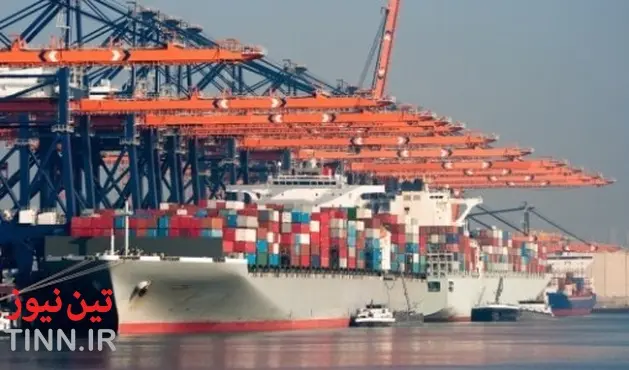
TIN news: Slowdowns could plague West Coast seaports again depending on how terminal operators, ocean carriers and shippers handle a new maritime rule, the head of the Agriculture Transportation Coalition says.
So far several East Coast terminal operators are following a U.S. Coast Guard declaration and weighing containers with cargo to take the onus off shippers (exporters and importers) but the West Coast is not following that lead so far, said Peter Friedmann, AgTC executive director in Washington, D.C.
A lot of West Coast ports are leased to private terminal operators who apparently are considering their options, said Tara Mattina, spokeswoman for Northwest Seaport Alliance that manages marine cargo facilities for the ports of Seattle and Tacoma.
“Each terminal operates differently and it will be up to them to decide how to handle it with shipping lines and carriers,” Mattina said.
Ports are concerned, and the alliance is providing information and facilitating conversations and advocating for terminal operators to “take the most flexible path they can in complying with the regulations,” she said.
A spokesman for the Pacific Maritime Association, in Los Angeles, declined comment, saying questions should be directed to each port’s terminal operator.
A 2014 to 2015 slowdown at West Coast ports, caused by a labor dispute, cost farmers, manufacturers and retailers across the country hundreds of millions of dollars in losses.
AgTC warned in February that a new rule from the London-based International Maritime Organization could create “major turmoil at marine terminals” and “significantly impede” U.S. exports.
The amendment to IMO’s Safety of Life at Sea (SOLAS) rule that becomes effective July 1 requires all shippers to certify and submit combined cargo and container weight (Verified Gross Mass or VGM) to steamship lines and terminal operators before containers are loaded onto vessels.
Currently, shippers are responsible for accurately reporting the weight of cargo, but no one reports VGM, Friedmann has said.
The amendment was created in response to claims of incidents of damage due to overweight containers, although the IMO SOLAS committee did not reference any instance where a ship was damaged or sunk exclusively due to overweight or underreported containers, AgTC said in a Feb. 9 position paper.
Weights printed on containers are typically not accurate, the rule imposes liability on the shipper to certify equipment it does not own, AgTC has said.
A further problem, Friedmann said, is that the Ocean Carrier Equipment Management Association (OCEMA), a U.S.-based association of 19 major ocean carriers, says only its best practices comply with the new rule.
OCEMA’s procedures shifts liability from carriers to shippers, increases their costs by requiring new electronic data systems and will increase port congestion, Friedmann said.
An exporter has to get the empty container weight from the carrier, add the cargo weight and send the combined weight back to the carrier, which then sends it to the terminal before the container gets to the terminal gate, he said. That will create congestion, backups and delays, he said.
Carriers are rumored to be considering a surcharge to pay for new data collection software, and the added expense does not help to keep U.S. ports competitive globally, Friedmann said.
A more rational approach that meets USCG standards is for shippers to give cargo weights to carriers, which then add container weights and give them to terminal operators, he said.
The port of Charleston, S.C., led the way two weeks ago in weighing loaded containers and the ports of Savannah, Virginia and Everglades have followed suit, Friedmann said.
A London economic firm and a London shipping consultant are projecting substantial disruptions but there still is time for parties to figure out ways to avoid them, he said