|
News Code
88662
Copied
Hyperloop Startup Says Its Tech Is Safer, Cheaper Than High - Speed Trains
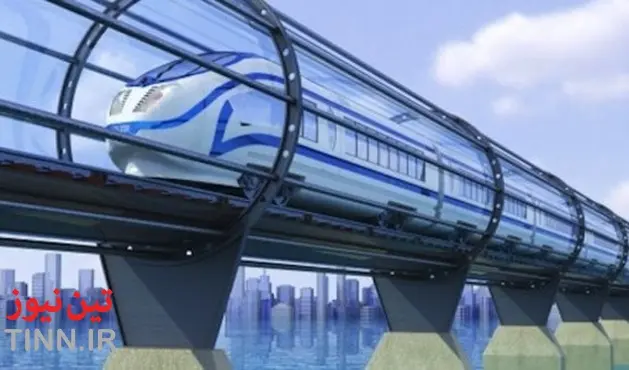
TIN news: Hyperloop Transportation Technologies, one of several companies trying to build a futuristic transportation system that can hurtle people and cargo in pods at over 700 miles an hour, says it has licensed technology that is safer and cheaper than what conventional high-speed trains use.
The announcement comes a day ahead of a planned May 10 event in Nevada by rival and similarly named Hyperloop Technologies.
Hyperloop Transportation Technologies, or HTT, says the base technology of its proposed high-speed transportation system is passive magnetic levitation originally developed by Dr. Richard Post and his team at Lawrence Livermore National Labs. The startup has worked with the national lab over the past year to develop and build test systems using the technology, according to HTT.
Using a passive magnetic levitation system—and not an active magnetic levitation system—would eliminate the need for power stations along the hyperloop track, Bibop Gresta, the chief operating officer for Hyperloop Transportation Technologies, said in a statement. The magnetic levitation, or maglev as its known in the industry, enables the Shanghai high-speed Transrapid train to reach top speeds of about 270 mph.
Keep in mind, that Hyperloop is still theoretical in many respects, even if aspects of the underlying technology has been tested. It’s impossible to validate the “safer” and “cheaper” claims until the Hyperloop is built and tested, if ever.
As illustrated in the video below, a passive magnetic levitation system places an permanent magnets in the hyperloop train pod. A linear motor propels the pod initially, and then the magnets interact with packed coils of insulated wire on the track, which causes the pod to levitate and accelerate to the super-fast cruising speed of 760 mph.