|
News Code
87523
Copied
Don’t Text and Drive, or the Feds Will Slide Into Your DMs
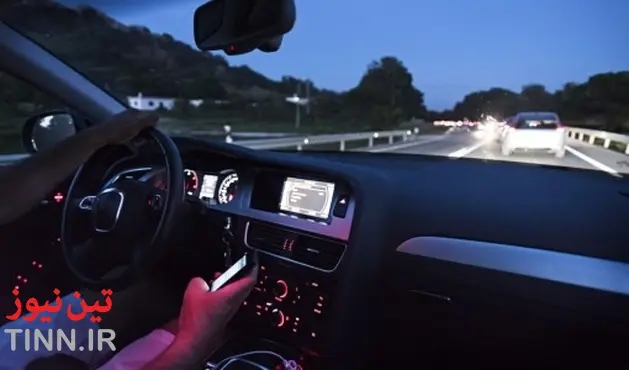
TIN news: For the last seven years, the US government has tried everything it can think of to end distracted driving. It’s hosted national summits, helped 46 states ban texting while driving, and sunk millions into ad campaigns that discourage the addictive behavior. None of it’s worked. Distraction behind the wheel still kills about 3,000 people a year in the US, and injures 431,000 more. Yikes.
Now, the National Highway Traffic Safety Association (NHTSA) is trying what so many denizens of the Internet do when frustrated: It’s trolling. Its targets are Twitter users who admit to, joke about, or don’t adequately denounce texting and driving.
The usually buttoned-up NHTSA social team has been reprimanding offenders on Twitter for three years now, but keeps its trolliness to April, which for the last six years it’s branded as Distracted Driving Awareness Month. Distracted driving encompasses all sorts of behaviors, but NHTSA’s social media campaign targets phone use because it’s especially dangerous, pulling your visual, manual, and cognitive attention away from the road.
“We’re doing everything short of sliding into the public’s Direct Messages to get [the] point across,” says Bryan Thomas, a NHTSA representative who’s clearly been studying his Generation Z lingo.
It’s not the first time a government has publicly shamed in the name of the law. In 2014, San Francisco slapped big red signs on seismically risky properties that hadn’t retrofitted their buildings as required. Ohio wants to expose officials who abuse tax dollars with legal but sketchy spending choices (like expensing a luxury hotel or paying off college loans with state funds) by making their wrongdoings public. NHTSA’s hope is that if it personally tweet-shames a distracted driver, they’ll drop the phone and prevent a car wreck.
“People are justifiably surprised to have a government agency show up in their Twitter notifications—I would be too,” says Thomas. “But the response has been positive. We’ve engaged with six times as many people as we normally would.”