|
News Code
84732
Copied
Transnet ports task team in place for large grain imports
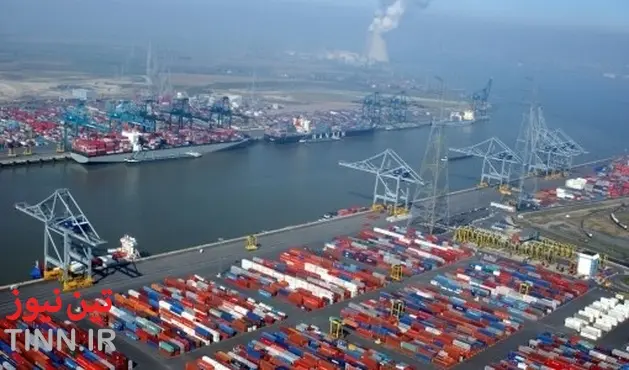
TIN news: Transnet Port Terminals has set up a task team to prepare its facilities for the 7-million tonnes of grain that will be imported to compensate for a shortage triggered by SA’s worst dry spell since 1992.
This will be the country’s biggest grain import in seven years and it is expected that, between next month and April next year, 7-million tonnes of the grain, of which 3.8-million tonnes will be maize, will move through SA’s ports. The country is usually a net exporter of maize, but drought has devastated the crop and led to a dire outlook on how much of the grain SA will produce this year.
SA consumes 10.5-million tonnes of maize a year.
Devina Vijiam, a senior manager for strategic projects at Port Terminals, said on Wedneday the state-owned entity was ready to process the 7-million tonnes of grain and had set up a task team to assist.
Ms Vijiam was speaking to grain importers at a Durban Chamber of Commerce and Industry trade and investment forum.
“Transnet is committed to handle the entire over-the-border and domestic cargo through our facilities,” she said.
SA had previously imported 1-million tonnes of maize in 2007-08. Other grains that the country imports include wheat, soybean, rice, peanuts and sunflower.
Some of the grain imports will move through the ports of Durban, Richards Bay, East London, Port Elizabeth and Cape Town.
Durban’s Agri terminal is the country’s largest grain terminal and handles about 1.4-million tonnes of grain a year.
In addition to using its available silos and storage facilities at its ports, the state-owned entity has had to collaborate with inland silo owners for maize storage.
Transnet Freight Rail had committed 3,284 wagons to transport domestic and over-the-border maize cargo, Ms Vijiam said.
“Recently, about 2,481 of (these) wagons have been put into the system … to make sure that we are ready when the imports arrive in the country next month,” explained Ms Vijiam.
Transnet has committed volumes from customers. “Durban has 1.3-million tonnes committed, with indirect capacity in the region of 1.4-million tonnes based on the four-week dwell time of a vessel.”
Wandile Sihlobo, an economist at Grain SA, said it had been estimated initially that the country would have to import 5-million tonnes of maize, but this had been revised down to 3.8-million tonnes because of January’s rain.
“The rains experienced in January made some difference, as the areas on which maize is planted increased to 1.9-million hectares, from 1-million hectares.”
The total area on which the country’s farmers have planted maize is 2.6-million hectares.
Farmers expect a crop yield of 7.1-million tonnes for the 2016-17 marketing period.
“We believe that Transnet will be able to handle the amount of grain needed in the country,” Mr Sihlobo said. “Just yesterday (Tuesday), they handled about 160,000 tonnes of grain, a sign that they will be able to manage what is required of them.”