|
News Code
83264
Copied
Pressures Build in Oil - Shipping Business
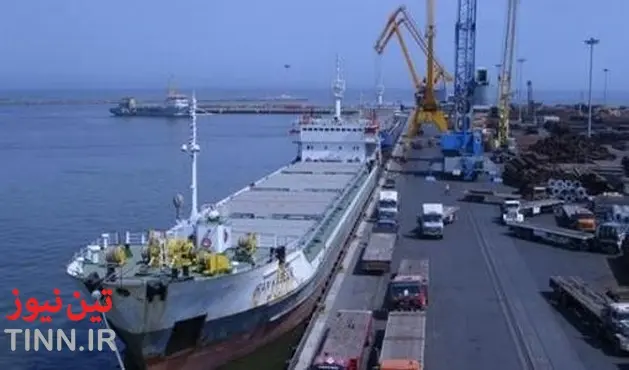
TIN news: A wave of new tanker construction and the prospect of tighter oil supplies are putting pressure on the booming business of shipping oil, a rare bright spot for the global maritime industry.
Low oil prices and surging production has been a boon for the 2,000-vessel-strong oil-tanker business. The cost to charter tankers soared to near-records last year, while low fuel prices have boosted the profitability of ships.
One sign of the good times: Many ports are so congested with crude vessels that tankers are plying their routes at a slower pace. The average tanker in recent months has cut its speed by 10%, on average, to minimize downtime, said Paddy Rodgers, chief executive of the big Belgian fleet operator Euronav NV.
But analysts and ship brokers are forecasting choppier waters ahead for the hundreds of companies that ferry oil around the world. Built mainly in Asia’s vast shipyards, that fleet is set to expand by more than 200 new tankers through 2017, the fastest pace of new shipbuilding in four years, according to Drewry Maritime Research.
More than 40% of those new vessels will be among the largest class of tankers, known as Very Large Crude Carriers, or VLCCs, massive ships that can each ferry more than 2 million barrels of oil, enough to fill 140 Olympic swimming pools or meet Germany’s oil needs for a day.
A further one-third will be in the so-called Suezmax segment, the next-largest ships. Suezmax vessels are the biggest capable of plying the Suez Canal.
Those new ships—queued up when capacity was tighter—are expected to push shipping rates lower, and come as recent shifts in the oil market are working against oil shippers. Oil prices are on the rise again, and major oil producers are signaling a willingness to at least discuss the possibility of a production freeze. U.S. oil output is falling, while the International Energy Agency says demand growth is slowing.
Taken together, that means that the world-wide crude glut, which has delivered a windfall for tanker operators, could begin to shrink. Some tanker leasing rates have already started to wane. The Baltic Dirty Tanker Index, a benchmark for tanker rates, has fallen 40% from a recent high in early July. Drewry expects one-year leasing rates for VLCCs to fall 6% this year, after they rose almost three-fourths to $46,500 a day in 2015.
“Crude prices can only stay low for so long,” said Denis Petropoulos, group president of Asia at Braemar Shipping Services PLC, a London-headquartered ship brokerage. “There is a lot of new [tanker] building over the next two years, and those ships entering the market are eventually likely to affect rates, regardless of crude prices.”
The clutch of new tanker construction was meant to address a recent squeeze in oil vessels. During the financial crisis, the oil-tanker business struggled as global crude demand dried up. But a quick recovery in demand, soaring U.S. output and steady supplies from large oil exporters stoked a swift recovery.
The recovery in the tanker business coincided with a yearslong shift eastward in the global oil trade. A reduction in U.S. oil imports has diverted crude from the Middle East and Africa toward thirsty new demand centers in Asia. Those routes tend to be longer, lengthening the average oil tanker’s voyage, tying up ships for longer periods and boosting tanker rates, they said.
“As earnings improved in 2014 to [2015], the tanker industry embarked on a major ordering spree and [that’s] the primary reason why we expect rates to soften this year,” said Rahul Kapoor, director of equity research at Drewry.
Tanker owners say the market can handle the wave of new ships, and point to other reasons to stay optimistic about their business. The recent lifting of the U.S. oil-export ban stands to boost tanker chartering if exports take off, they say. Firm crude demand from China continues to prop up tanker demand, and has led to congestion in some ports that can leave a ship waiting weeks to unload its cargo.
“There is already an element of storage at sea,” said Mr. Rodgers, the Euronav CEO, who added that short-term tanker rates have climbed after an early-year slowdown.
A wild card for the industry is demand for so-called floating storage, in which producers and traders sock away spare oil in tankers to sell it later at a profit. About 32 million barrels were tied up in floating storage as of March 11, according to estimates by Thomson Reuters, down by almost half from recent highs in November.
“If there is a significant pickup in floating storage, then tanker rates could very quickly spike up again and quickly take tanker-loading capacity out of the market,” said Erik Broekhuizen, head of tanker research at Poten & Partners.