|
News Code
81349
Copied
Japan Inc builds its LNGC fleet
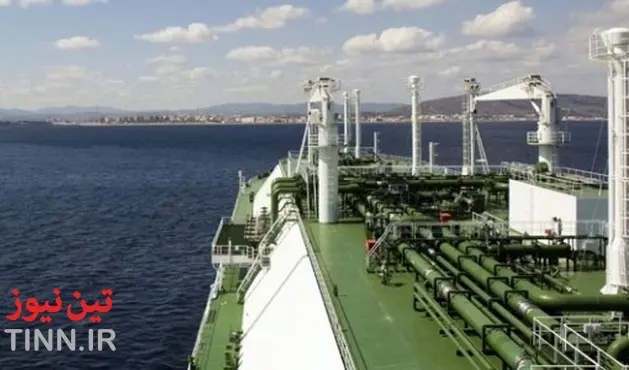
TIN news: Japan’s top utility companies are leading a renaissance in domestic construction of LNG carriers, reorienting the way the country purchases its gas imports.
Tokyo Gas, Osaka Gas, Kansai Electric Power, Kyushu Electric Power, Tokyo Electric Power (Tepco), Chubu Electric Power and Toho Gas are stepping up the control they exert over their own shipping fleets. They are negotiating long-term purchases of cargoes on a free-on-board (FOB) basis from the new Australian projects now coming on stream.
The utilities have also signed natural gas liquefaction tolling agreements with the new US export terminals that offer the flexibility to make their own shipping arrangements and to determine the cargoes’ ultimate discharge port. To do this, they have linked up with the top three Japanese shipowners and technical LNGC managers ̶ Mitsui OSK Lines (MOL), NYK Line and K Line ̶ to jointly order tonnage for the new projects, taking them on long-term charters.
Japanese utility companies now have an aggregate LNGC fleet of 39 in-service and on-order vessels, 21 contracted since 2010. Mitsubishi Heavy Industries (MHI) and Kawasaki Heavy Industries (KHI) have secured most of these orders, although Imabari Shipbuilding and Japan Marine United (JMU) have made notable breakthroughs.
By strengthening control over their LNG supply chains, the Japanese utilities aim to reduce transport costs and tap the market opportunities that having part of the fleet engaged in short-term and spot cargo trading will create.
The expertise that Japan Inc brings to the utility company LNGC fleets includes valuable input from the country’s top trading houses. Established players such as Mitsubishi Corp, Mitsui & Co and Sumitomo hold stakes in the export projects and are foundation buyers of the LNG for the utility companies. They are sometimes also minority shareholders in the LNGCs.
Japanese trading-house knowledge of LNGC design, construction and operation dates back to the pioneering days of the LNG industry, long before the utility companies became involved with shipping.