|
News Code
81196
Copied
Shanghai bunker market sees minimal impact ahead of tighter sulfur limit
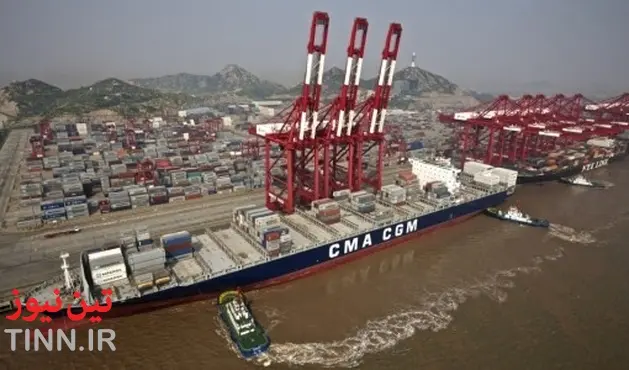
TIN news: The Shanghai bunker market is seeing little impact ahead of the April 1 requirement for ships at berth to use bunker fuel with a maximum sulfur content of 0.5%, traders in China said.
“We’ve talked to shipowners about it and they are aware of it,” a trader in Shanghai said late Thursday. “There is ample time to prepare ahead of the April 1 implementation, so there’s no big issue,” he added.
Shanghai is one of the key ports in the Yangtze River Delta Emission Control Area or ECA, and are two other two ECA zones, the Pearl River Delta and Bohai Rim.
Traders said Shanghai was understood to be the first port to announce it would implement ECA measures, but other ports in the same ECA zone were expected to announce similar measures before April 1.
It could not be confirmed Thursday if ports in the Pearl River Delta and Bohai Rim ECA zones would follow suit by April 1, but traders said it was unlikely.
“This will be a sort of experiment, particularly in the case of Shanghai, which they will watch closely,” a trader said Thursday.
“They will probably trial it for three months or so to see what reaction there will be and then gradually roll it out to other areas,” he added.
Tighter sulfur limits are part of broader regulations detailed in a four- year road map laid out by China’s Ministry of Transport to cap the maximum sulfur content of bunker fuel used in ECA zones at 0.5% by January 1, 2019.
The current move to tighten sulfur limits for ships at berth would meet the ministry’s requirement that by January 1, 2017, berthed vessels at the specified ports switch to fuel with a maximum sulfur content of 0.5%, except during the first hour after arrival and the last hour before departure.
LOGBOOKS UNDER SCRUTINY
Apart from tightening sulfur regulations, the Maritime Safety Administration, an agency of the Ministry of Transport, issued a separate notice January 29 on the enforcement of regulations for vessels entering ECAs.
It included local authorities having the authority to check engine logbooks recording fuel operations such as fuel switchover dates and times and the sulfur content of that fuel, with documents detailing the ship’s fuel supplies to be kept onboard for three years and fuel samples for a year.
That notice also required vessels to switch to using shore power where available and keep records if clean energy fuel was used, and noted the penalties for non-compliance of logbook regulations ranged from warnings to detention and/or fines of Yuan 10,000-100,000 ($1,530-$15,303).
“I believe they will be strict about enforcing these regulations,” a trader said late Thursday.
“Because this is the first time that they are doing this, they probably don’t have much experience, so they won’t go too hard on the vessels that run foul of the regulations… but I think they will progressively tighten and have loopholes plugged as time goes on,” he added.