|
News Code
76636
Copied
‘Cabotage policy useless if ships avoid Port Klang’
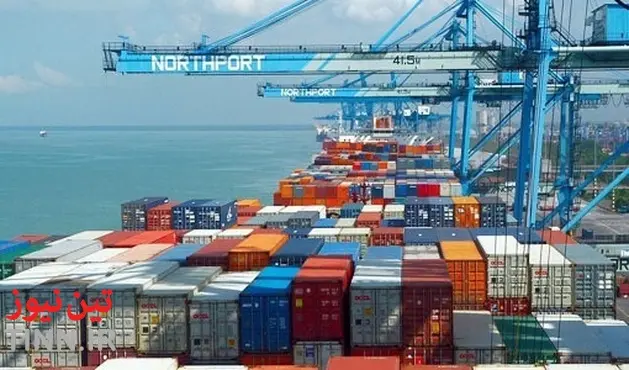
TIN news: The cabotage policy can be easily rendered useless if ships avoid Port Klang altogether and use the Muara Port in Brunei Darussalam as the main port for ships from Indonesia, the Philippines and other countries to load and unload containers bound for Sabah and Sarawak.
Penampang MP Darell Leiking said while others have been talking about abolishing the cabotage policy, and the government continued to claim that the unpopular policy had been liberalised, the problem could actually be solved by circumventing Port Klang because the policy is only between that port and other domestic ports in the country.
“The Muara Port in Brunei Darussalam had long been used by ships from Indonesia, the Philippines and other countries to load and unload containers bound for Sabah and Sarawak because of its shorter distance and Sabah could benefit from the busy shipping route in the Sulu Sea.
“The port is surprisingly busy because ships from Indonesia and the Philippines that do not want to go through Port Klang to transport their products to Sabah, would choose to go to Muara Port instead.
“From there, they transship their goods to a Malaysian registered ship in Muara and that ship will just go to either Sabah or Sarawak. There is no need for cabotage there because that policy only applies for Port Klang. Not from Muara,” he said.
However, he added, Sabah should not be losing out on the lucrative business to Muara Port but instead should develop and improve its existing ports such as the Sepanggar Port so as to get a piece of the pie.
“Another way is to create a second port in Kimanis area … some people would say, prosper thy neighbour.
That’s fine, but Brunei is already prosperous. We have to make ourselves prosperous too, by taking away the Muara Port opportunity and bring it to Sabah,” he said.
Nonetheless, he said, while the State develops its port facilities, using Muara Port as its main importing and exporting port is seen as the more economical and cheaper option than Port Klang.
Darell added that Sabah is more than capable of having a world-class port facility for various reasons, not the least its more developed facilities and bigger population.
Even its geographical location, he said, is much more strategic compared to other ports.
Unfortunately, he said, there is still a dire need for more active and dynamic manufacturing industries to support its import and export businesses.
Currently, the manufacturing industry in Sabah accounts for only about eight per cent of its total industrial output.
Even though Sabah’s manufacturing industry output is negligibly low, he said, it has the highest number of fruit produce and China, being a hungry country, is an open and ready market that Sabah could penetrate at any time.
“Why are we not helping our farmers to package the fruits that they have planted and export these produce?
The government should empower these local farmers and help them export these fruits. If we do this properly, packaging and exporting, at least we will be famous for something good.
“Once upon a time, Penampang was famous for its pineapples. Today, nobody talks about Penampang’s pineapples anymore. You cannot find pineapples here anymore. We are losing all the natural things that we used to have.
“In fact, we are very famous for other things like illegal immigrants and all those stupid things,” he said.
Other than fruits, Darell proposed that since Sabah is well-known for its unique and diverse culture, it would be a good idea to develop its cultural products for export purposes.
The government, he said should encourage micro economy to develop into a macro economy that can be exported overseas