|
News Code
73837
Copied
Hong Kong address PSC procedures
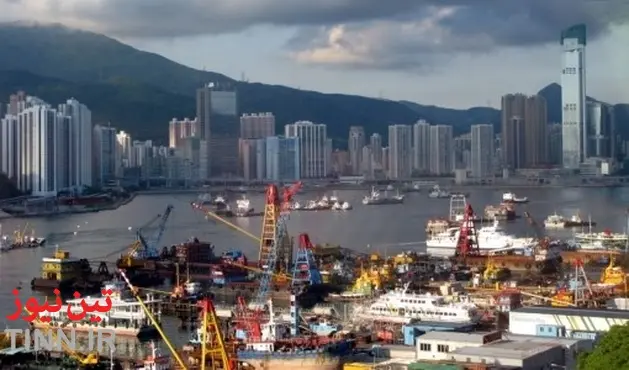
TIN news: The Hong Kong Marine Department has issued shipping information note to remind shipowners, ship managers and ship masters of their responsibilities to ensure their ships are properly maintained and of the procedures to follow when deficiencies are found or when the ship is detained during a PSC inspection.
Background of PSC
The impact of Port State Control (PSC) inspections on ships is growing. Port States in regional areas are becoming more organized and professional on ships’ intervention.
Port States have the right to inspect foreign ships visiting their ports to ensure the vessels comply with the required and appropriate international safety, pollution prevention and maritime security standards.
Over the years, port States have entered into regional agreements and signed Memorandum of Understanding (MOU) which now cover the majority of the world’s geographical areas. Currently there are ten regional programs and MOUs on Port State Control, namely, the United States Port State Control Program, Vina Del Mar (Latin American) Agreement, Paris MOU, Tokyo MOU, Mediterranean MOU, Caribbean MOU, Indian Ocean MOU, the Black Sea MOU, Abuja MOU and Riyadh MOU. Hong Kong, China has been a member of the Tokyo MOU since 11 April 1994.
Many port States have increased their resources and effort on port State control and it is a worldwide trend to increase the percentage of inspection. When detention occurs, ships may be placed publicly on the target or black list of the regional MOU. In extreme cases, the ships are banned from entering the MOU region. Substandard ships are beginning to find it more difficult to trade or hide.
For the purposes of PSC inspection, the following are the relevant instruments on which regional port State control is based:
1. the International Convention on Load Lines 1966;
2. the Protocol of 1988 relating to the International Convention on Load Lines, 1966;
3. the International Convention for the Safety of Life at Sea, 1974 as amended;
4. the Protocol of 1978 relating to the International Convention for the Safety of Life at Sea, 1974, as amended;
5. the Protocol of 1988 relating to the International Convention for the Safety of Life at Sea, 1974, as amended;
6. the International Convention for the Prevention of Pollution from Ships 1973, as modified by the Protocol of 1978 relating thereto;
7. the International Convention on the Control of Harmful Anti-fouling Systems on Ships, 2001;
8. the International Convention on Standards of Training, Certification and Watchkeeping for Seafarers, 1978, as amended;
9. the Convention on the International Regulations for Preventing Collisions at Sea, 1972, as amended;
10. the International Convention on Tonnage Measurement of Ships, 1969;
11. the Merchant Shipping (Minimum Standards) Convention, 1976 (ILO Convention No. 147);
12. the Maritime Labour Convention, 2006 (MLC 2006); and
13. the Protocal of 1992 to amend the international Convention on Civil Liability for Oil Pollution Damage, 1969 (CLC PROT 1992).
In applying a relevant instrument for the purpose of port State control, Article I(3) of the Protocol of 1978 to SOLAS 74, Article 5(4) of MARPOL 73/78, and Article X(5) of STCW 78 provide no more favourable treatment to be given to the ships of countries which are not Parties to the Convention or to ships below convention size in order to ensure that equivalent surveys and inspections are conducted and an equivalent level of safety and protection of the marine environment are ensured.
Hong Kong Registered Ships
Although the number of ships in the Hong Kong Shipping Registry is increasing, the PSC detention rate for Hong Kong registered ships was still well below the international average. We shall continuously upkeep the quality of Hong Kong registered ships in order to maintain our good reputation.
Responsibilities of Shipowners, Ship Managers and Ship Masters
Shipowners, ship managers and ship masters of Hong Kong registered ships are reminded of their responsibilities under Merchant Shipping Regulations for the proper maintenance and upkeep of their ships namely:
the condition of the ship, its equipment, the safety management and security system are maintained and implemented so as to comply with the relevant provisions of the regulations;
after completion of surveys required by the regulations, no material change shall be made in the structural arrangements, machinery and equipment without the approval of the Certifying Authority; and i
whenever an accident occurs to a ship or a defect is found which affects the safety of the ship or the efficiency, functioning or completeness of its equipment, it shall be reported at the earliest opportunity to the Marine Department and to the Recognized Organization responsible for issuing the relevant certificate.
Failure to comply with the above requirements may lead to detention by port State control authorities and/or prosecution
If a ship and its equipment are maintained as required by the regulations and the crew is competent in the discharge of their duties, which include those related to the ISM Code and ISPS Code, the ship is unlikely to be detained as a result of PSC intervention. Despite complaints from shipowners against the criteria used by PSC Officers when detaining ships, our experience revealed that most of detention cases on the Hong Kong registered ships were with valid grounds. These detentions reflect the ineffective management of the ships and will affect the reputation of the Hong Kong flee
General Guidelines on PSC Detention
hen a ship is subjected to a PSC inspection, the PSC Officer(s) will issue an inspection report (FORM A and FORM B) to the master, listing the deficiencies and non conformities, if any, found during the inspection and specify a time frame within which the outstanding items should be rectified
Where the grounds for detention are the result of accidental damage suffered during the ship’s voyage to a port, no detention order will be issued, provided that:
due account has been given to the Convention requirements regarding notification to the flag State Administration, the nominated surveyor or the recognized organization responsible for issuing the relevant certificate;
prior to entering a port, the master or company has submitted to the port State authority details on the circumstances of the accident and the damage suffered and information about the required notification of the flag State Administration; and
appropriate remedial action, to the satisfaction of the port State Authority, is being taken by the ship.
This same principle should be followed when a breakdown or failure of equipment occurs while the vessel is at sea and for some reasons cannot be rectified before arrival in port.
In the event of a Hong Kong registered ship being detained as a result of PSC intervention, the ship master or owner should immediately
In the event of a Hong Kong registered ship being detained as a result of PSC intervention, the ship master or owner should immediately
forward a copy of the PSC inspection report (i.e. FORM A and FORM B), stating when, where and by whom the ship has been detained, to this Department; and
contact the local office(s) of the ship’s Classification Society and/or the ship’s SMC Classification Society and/or the ship’s ISSC Recognized Security Organization to arrange an inspection and/or audit for confirmation of the deficiencies and/or non conformities, and other necessary remedial action as directed by the port State.
contact the local office(s) of the ship’s Classification Society and/or the ship’s SMC Classification Society and/or the ship’s ISSC Recognized Security Organization to arrange an inspection and/or audit for confirmation of the deficiencies and/or non conformities, and other necessary remedial action as directed by the port State.
Prompt receipt of information relating to detentions will enable this Department to take the necessary follow-up action, which include appeal to the port State or MOU and in compiling reports to the International Maritime Organization (IMO) on the outcome.