|
News Code
72231
Copied
RegioJet to withdraw Bratislava – Košice service
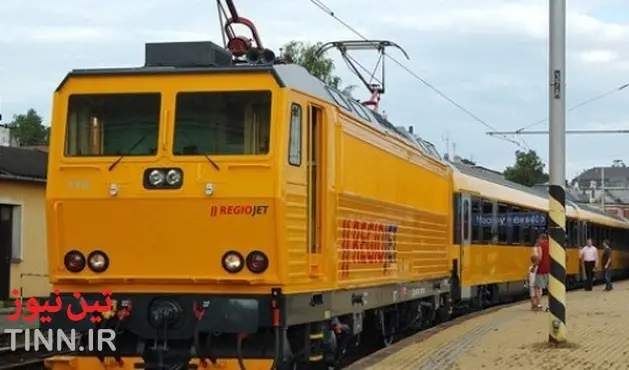
TIN news: Czech private-sector open access operator RegioJet has announced that it will withdraw its commercially-run inter-city services on the Košice – Bratislava corridor during the first quarter of 2016. The overnight service will cease on December 13, while the three daytime train pairs will continue to operate at least until February 28.
‘I have decided that we are leaving’, RegioJet owner and CEO Radim Jančura announced at an opposition political party conference on November 23. He said RegioJet could not afford to compete with the fares offered by national operator ZSSK, and the government’s policy of offering free travel for a large section of the population (RG 12.14 p23). RegioJet is expected to make a loss of €4m in 2015.
RegioJet, ZSSK and the government have been in constant dispute since the start of open access operations on the route in December 2014 (RG 11.14 p27), and a ruling from the anti-monopoly authority is still awaited.
RegioJet claims ZSSK has cut its own fares to below economic levels, and has suggested that the national operator may be cross-subsidising its services using funding intended for publicly-supported routes. ZSSK has strongly rejected RegioJet's claims, saying that it is not attempting to push the company out of the market. Earlier this year the national operator cut number of inter-city trains on the 445 km route by 40%, blaming the price war which it says it did not start.
Jančura said he had announced the end of services in advance to be ‘fair to our passengers and employees’. He expects that three-quarters of the 120 employees in Slovakia could transfer to the Praha – Košice route, which RegioJet plans to strengthen with the introduction of overnight services from the December timetable change.