|
News Code
70222
Copied
Bonded terminals no longer relevant in port operations
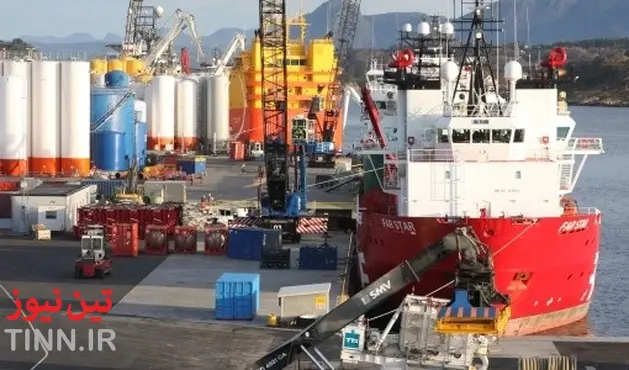
TIN news: The Nigerian Ports Authority NPA, has said that the concept of bonded warehouses is no longer fashionable in a modern port management system such as Nigeria’s.
The authority had sometime in year 2000 encouraged private individuals and fi rms to establish private bonded warehouses and terminals where containers were stemmed as part of measures to check worsening cases of ship and cargo congestionn, which was prevalent in the nation’s port system then.
General Manager in charge of public affairs of the authority, Captain Ebubeogu Ihenacho, who fi elded questions from newsmen during a media parley organised by the authority at the weekend in Lagos, said that the port system in Nigeria is currently driven by competition and international best practice.
According to him, more than after the port reforms, which stripped NPA of its cargo handling functions and handed same to private terminal operators, who would be allocated consignments on the basis of adminisreative fi at.
He argued that what the existing bonded warehouses and other off-dock facilities should do is to revamp the facilities and equip them with modern cargo handling equipment to make marketable and sellable.
“Bonded terminals are no longer relevant in port systems today and so people should stop dwelling on the sentiments of the past. They should be competitively sellable by building their infrastructure and market them”, the chief image maker said.
Ebubeogu also said; NPA cannot compel any terminal operator to allocate cargo to any bonded warehouse. We did it in the past when we were handling cargo, we cannot do it today because we no longer handle cargo”.
Investigations however show that many of the bonded terminals are not properly equipped as their cargo stacking areas have been over grown by weeds even as the access gates to many of them are in terrible state of disrepair making containers to fall off while going out or coming in.
It was also gathered that many them lack the basic equipment such as forklifts while the few that have cannot boast of fork lifts of more 15 tonnes, which cannot carry heavy cargo such as tiles which weigh 30 tonnes and above, which partly accounts for why they are not getting cargo.