|
News Code
65589
Copied
India: Government to allow foreign players in special categories of local shipping
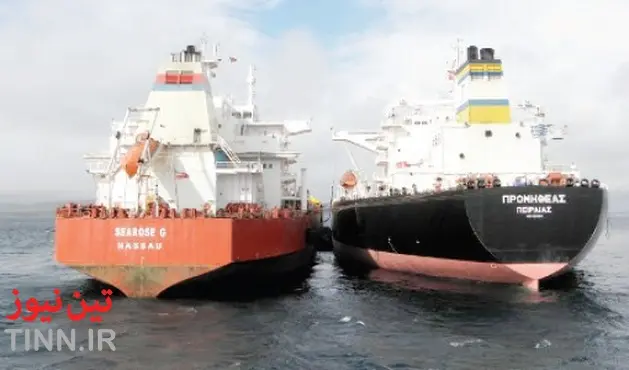
TIN news: The government has relaxed a law allowing only Indian ships to be hired for carrying cargo within the country’s ports, in special categories where the local players do not have a presence.
The so-called Cabotage law protects Indian shipping companies from the big international players. But the Indian fleet owners do not operate in the categories that have been opened up, such as roll-on, roll-off in movement of passengers, cars and trucks; and LNG vessels.
The shipping ministry is keen to encourage coastal shipping to reduce the logistics cost and also bring down the country’s carbon footprint. The new rule, notified on September 2, says that the provisions of Section 4O7 (1) of the Merchant Shipping Act, 1958, will not apply to above ‘special’ vessels for a period of five years.
The new relaxation is a welcome move that could encourage transport of automobiles, large project cargo and boost tourism. However, many issues need to be sorted out. There should be dedicated facilities at major ports and non-major ports with different rates for coastal ships.
Advantages
The shipping ministry in a report published last January said that fuel consumption by coastal shipping at 4.83gm/km is just I5 per cent of the consumption by road and 54 per cent of that by rail. .
Rail and road transport because of their limited capacity and infrastructure cannot handle large quantities of coal, iron ore. The cost of carriage of goods, from coast to coast, by coastal shipping (about 2I per cent of cost by road and 42 per cent of cost by rail) works out to be much lower than that by road and rail.
Poor patronage
Despite a vast coastline of nearly 7,500 km, 12 major ports and nearly 200 non-major ports from Kolkata to Kandla, domestic shipping traffic is miniscule.
The shipping ministry’s ‘Vision for Coastal Shipping, Tourism and Regional Development’ prepared in June has a vision to increase the share of coastal and inland water transport to 10 per cent in the next five years.