|
News Code
64727
Copied
South Korea, Taiwan pick up slack in China, Japan VLCC demand
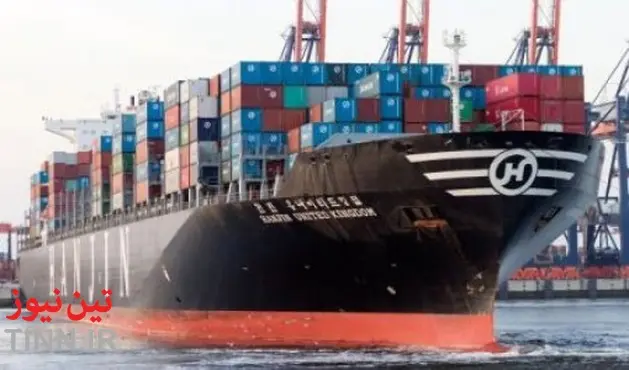
TIN news: The volume of VLCCs heading for North Asia recovered from last week’s multi-month lows, led by a rise in ships sailing to South Korea and Taiwan, cFlow, Platts trade flow software showed, while the number heading to China and Japan fell.
A total of 122 vessels were destined for North Asia, up from 112 last week, with 36 heading to South Korea, up from 28, and 11 going to Taiwan, up one week on week.
Of the South Korean-bound tankers, 10 each were tracked Wednesday in the Middle East and South Asia, 13 in Southeast Asia, two in North Asia and one off the coast of West Africa.
The bulk of the ships loaded in the Middle East while one each sailed from Hound Point, Rotterdam and Singapore.
Heading to China were 67 vessels, a drop of two week on week, while the number of ships destined for Japan tumbled to 17 from 22, a level not seen in at least eight weeks.
Sailing to the UK and Continent were four tankers, flat to the previous week.
In terms of ballasters, the count of ships sailing for Middle Eastern ports slipped to 89 from 92, while towards West Africa there was a slight rise to 18, an increase of three from last week.
In current locations, the global fleet was concentrated in the Middle East, at 158 ships, down from 162 the previous week.
The next largest pool was tracked in Southeast Asia, at 141 tankers, a rise of one, while off the coasts of India and Pakistan were 71 ships, up from 66.
In North Asia, ullage delays pushed the count of ships in China to 56, the highest in nearly four months, while in the Persian Gulf, the pool of VLCCs waiting to load at the Iraqi port of Basrah rose to nine from seven, a three-week high.
LANDINGS/SAILINGS
In the key discharge region of North Asia, landings dipped in the week through Wednesday, falling to 32 from 33, marking a four-week low.
Arrivals in Chinese ports fell to 15 from 17, while discharging in Japan were seven ships, a drop of two and a four-week low.
Picking up the slack in Chinese and Japanese imports though were landings in South Korea and Taiwan which both hit five-week highs, with arrivals rising to nine from six, and to four from two, respectively.
Indian landings were flat on the week at six.
The world’s top exporter, Saudi Arabia, saw tanker departures fall again, and to levels not seen since seen before June, at 20, a drop of three.
At Iraq’s southern terminals, five VLCCs left, down two to a three-week low.
Iranian sailings increased to a four-week high of five from four, with two ships going to other Middle Eastern ports and the others to China, Singapore and South Korea.
Total outflow from the Middle East — or the count of ships that left the region — rose to 30 from 20 last week.
The volume of outflow from the Middle East is typically lower than the count of ships leaving the region’s individual ports, since over a quarter of VLCCs tend to co-load.
Elsewhere, West African departures — excluding vessels going to co-load — picked up, rising to six from five.
Within West Africa, Angolan sailings rose to a five-week high, rising to five from two, with four tankers going to China and one to Taiwan. WEEKLY AVERAGE FREIGHT RATES
Weekly average freight rates maintained their uptrend, lifted somewhat by the end of refinery outage season in parts of Asia, while substantially higher Saudi and Basrah crude volumes for October also lent support.
On benchmark VLCC routes, weekly Persian Gulf-Japan rates rose to Worldscale 63.15, up 28% from last week and 94% higher than four weeks ago.
Persian Gulf-China rates jumped to w62.65, marking the same weekly and monthly percentage increases, according to Platts assessments.
On the West Africa-Far East route, rates climbed to w62.40, an increase of 22% on the week and up 53% from a month ago, with sentiment firming on the back of the stronger market for Persian Gulf loadings.
Elsewhere, rates from the Persian Gulf to West Coast India rose to w76.90, up 24% from the previous week and up 115% from a month ago.