|
News Code
62838
Copied
Keeping UK competitive in a global market
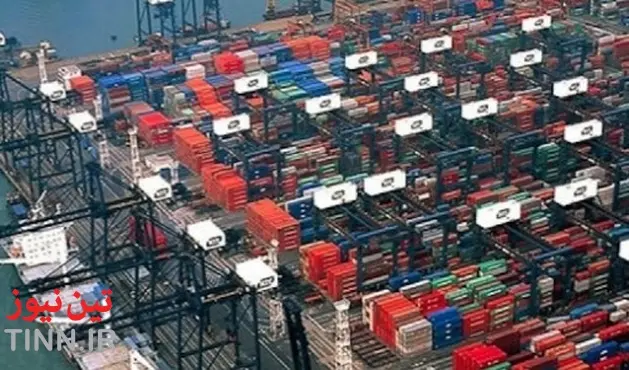
TIN news: The UK maritime manufacturing sector exports maritime products to most of the world’s major markets; from complex merchant and naval shipbuilding to ship’s chandlery and nanotechnology, the sector produces high quality products used in the global maritime industry at every stage of the supply chain.
In 2013, shipping alone directly contributed around £1.8 billion to the UK’s trade balance which represented about 2% of the UK’s overall surplus in services trade. This is also a sector that has a strong regional dimension which is helping to rebalance the UK economy. There are significant and growing clusters of maritime activities in locations all over the country. Cities such as Liverpool, Plymouth, Southampton, Aberdeen and Glasgow, as well as successful ports such as Felixstowe and Immingham, around the UK are contributing to both the national and regional economies.
Research and development in the maritime sector is extensive, supported by the world class capabilities of UK universities and research institutes. The UK’s maritime research landscape is further enriched as a result of the high levels of small to medium sized enterprises (SMEs) at the forefront of R&D and innovation in maritime products and services.
The maritime sector is global in nature, mobile and growing with ships carrying 80% Of global trade. Seabourne trade is predicted to double by 20308 in line with the forecast growth in international trade. The UK is ideally positioned to exploit these conditions and drive growth in the UK maritime sector. The evidence collected during the Study demonstrates that the UK continues to be seen by the international market as a world-leading maritime centre. It also shows that the UK remains highly competitive, particularly in the field of maritime business services, maritime education, training and skills and marine manufacturing, engineering and research. The UK maritime cluster’s contribution to the economy is already substantial and, with the right conditions, can be grown further. However, this potential growth and the UK’s international position cannot be taken for granted. In the face of increasing competition from fast-growing maritime centres in other countries the UK maritime sector must be willing to adapt, improve and change to successfully exploit these opportunities.
The study suggest that maritime sector needs:
leadership by both government and industry, including a more commercial and responsive UK maritime administration within government and an industry-led promotional body
more proactive action to replenish and develop the skills needed to maintain UK’s position as a world-leading maritime centre
effective marketing by industry and government of what the UK maritime sector has to offer both domestically and internationally