|
News Code
62593
Copied
Perspectives on the Arctic
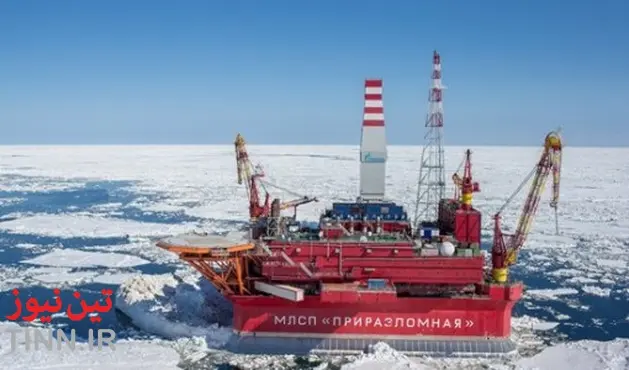
TIN news: With the polar icecaps retreating and clearer water appearing, high latitudes beckon those looking for new maritime and energy opportunities. The technology, in the shape of ice strengthened tonnage and powerful propulsion would appear to be on the side of those wishing to accept these challenges. Neverthless, as was illustrated last week at ShipArc 2015 in Malmoe – a joint World Maritime University – IMO- Arctic Council international conference on “Safe and Sustainable Shipping in a Changing Arctic Environment” these regions are not for the unprepared or faint-hearted.
The new Polar Code, the problems of Arctic governance, sustainable Arctic business, the protection of the marine environment, training, capacity building and the role of science and research were all covered at this wide-ranging and well-attended meeting. It served to emphasise the complexities of shipping in these areas, which are still poorly charted and provided with few navigational aids and are as hazardous as they have ever been with their ferocious weather and intense cold, where emergency response and search and rescue facilities are barely existent.
But the conference also underlined the extreme environmental fragility of these latitudes and the need for everyone taking ships into these areas to be doubly aware of the environmental risks. The lack of shore reception facilities for every sort of waste, the frightful consequences of oil spills in cold or icy waters and the need for a high level of technical self-sufficiency were spelt out. A grim glimpse of reality was the fact that the high Arctic waters were already being polluted with plastic waste and other marine debris, carried northwards by currents.
The Polar Code is new, yet to be implemented, but should be thought of as an enhancement of other IMO regulations and should not be viewed in isolation. It is “just one piece of the jigsaw for the governance of the Arctic. Ship operators, in the Arctic as elsewhere, would like the reassurance of global regulation.The conference, however served to emphasise the considerable number of different interests that can be involved in high-latitude maritime operations, along with the need for a more collaborative approach between the various parties that can be reasonably described as “stakeholders”. The need to reconcile this wide spectrum of interests, from the needs of the coastal communities to the political requirements of the
Arctic states illustrate something of the complexities of the situation as Arctic shipping increases.
Other challenges identified at this conference included the shortage of real expertise in ice operations and navigation, with this hitherto being reserved to a small number of specialist shipping operators. The sharing of best practice and data are seen as essential parts of the capacity building as the Arctic opens up. The collapse in oil prices, however, may mean that the pace of activity, certainly in the energy field, will somewhat slacken.