|
News Code
61768
Copied
Dry bulk shipping had a moment of sunshine in July
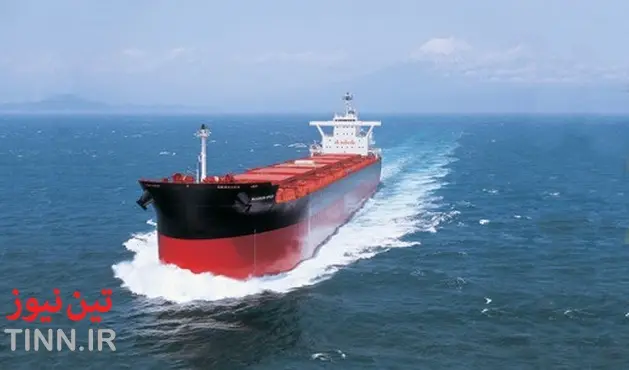
TIN news: BDI gained ~41% in July, the second consecutive month when it has registered an increase, and broke the psychological barrier of 1,000. Dry bulk shipping stocks also moved in tandem before losing momentum in the second half of the month. Vale reported 7.4% y/y increase in its iron ore output to 85.3m tonnes in 2Q15, marking the second-biggest quarterly production in its history. The company is on track to achieve its production guidance of 340m tonnes for 2015, which could translate into higher tonnemile demand.
Scorpio Bulkers was up ~8% in July as investors ratified its recapitalised balance sheet after completing its restructuring activities. Earnings in 2Q15 were muted as expected, with TCE revenue falling ~2% y/y to USD 12.8m and the adjusted operating loss widening ~12% y/y to USD 10.2m. We have reduced our fair value estimate to USD 2.50 (earlier: USD 2.90) factoring in the equity issuance in June 2015. The company’s risk rating is revised to Medium from High on easing liquidity concerns
NORDEN was up 4% in July, supported by the upward revision in EBIT guidance in late-June. The company’s TCE revenue decreased ~11% to USD 242m, but adjusted EBIT came in higher at ~USD 8m in 2Q15 compared with negative ~USD 27m in 2Q14. It further raised the EBIT guidance for FY15 from USD 50-90m to USD 70-100m on the back of strong earnings in the tanker segment.
Diana Shipping yielded a ~4% return, correcting ~7% from the month’s high. In 2Q15, the company’s TCE revenue declined ~16% y/y to USD 34.4m and its adjusted EBITDA slumped ~45% y/y to USD 6.9m, lagging our estimates. Lower discount to asset values for NAV calculation (10% from the previous 20%) led to an increase in fair value to USD 7 (previous: USD 6.50). We hold our Neutral view as the company lacks operating leverage.
Pacific Basin remained volatile in July amid the sell-off in Chinese stock market, although it managed to close in the green on m/m basis. The company’s 1H15 earnings were affected by the weak dry bulk market as adjusted TCE revenue fell 28% to ~USD 323m and the adjusted gross profit subsided 17% y/y to ~USD 43m. In view of weaker-than-expected 1H15 results, we have reduced our fair value to HKD 2.80 (from HKD 3.10).
Capesize rates led the rally in July, with Panamaxes chugging along
BDI extended its strong run and reached 1,131 in July, up 41% m/m, with the surge in freight rates spanning across the sector. BCI led from the front gaining 71% followed by BPI that surged 21%, BSI 26% and BHSI 17%. • BCI 5TC average rate advanced 82% m/m to USD 17,242pd in July, aided by healthy activity in the Atlantic and Pacific basins. Spot rates on Tubarao to Qingdao and West Australia to Qingdao were up 20% and 12% respectively. The rally in the Transatlantic freight rate was a result of increased coal movement from Bolivar to Rotterdam, higher iron ore exports from Brazil and limited tonnage availability. Meanwhile, typhoonresulted port congestion in East Asia, and increased vessel demand from West Australian iron ore miners owing to the poor weather forecast, boosted freight rates in the Pacific region.
Panamax segment’s average daily earnings rose 21% m/m to USD 8,146pd. The front-haul Atlantic market firmed up thanks to the ECSA grain requirements and some iron ore cargoes. Meanwhile, shipping rates were strong in the Pacific on the back of coal exports from Indonesia to India. We remain cautious on the Panamax segment as India’s coal imports are likely to slow down adding to the pain from the already shrinking Chinese coal imports.
Supramax freight rates inched up 26% m/m to USD 9,396pd as the sentiment was positive in the Atlantic with an influx of fresh enquiries, absorbing excess vessel supply in the US Gulf. Dearth of tonnage and greater grain cargoes kept the Black Sea region upbeat
Scorpio Bulkers was up ~8% in July as investors ratified its recapitalised balance sheet after completing its restructuring activities. Earnings in 2Q15 were muted as expected, with TCE revenue falling ~2% y/y to USD 12.8m and the adjusted operating loss widening ~12% y/y to USD 10.2m. We have reduced our fair value estimate to USD 2.50 (earlier: USD 2.90) factoring in the equity issuance in June 2015. The company’s risk rating is revised to Medium from High on easing liquidity concerns
NORDEN was up 4% in July, supported by the upward revision in EBIT guidance in late-June. The company’s TCE revenue decreased ~11% to USD 242m, but adjusted EBIT came in higher at ~USD 8m in 2Q15 compared with negative ~USD 27m in 2Q14. It further raised the EBIT guidance for FY15 from USD 50-90m to USD 70-100m on the back of strong earnings in the tanker segment.
Diana Shipping yielded a ~4% return, correcting ~7% from the month’s high. In 2Q15, the company’s TCE revenue declined ~16% y/y to USD 34.4m and its adjusted EBITDA slumped ~45% y/y to USD 6.9m, lagging our estimates. Lower discount to asset values for NAV calculation (10% from the previous 20%) led to an increase in fair value to USD 7 (previous: USD 6.50). We hold our Neutral view as the company lacks operating leverage.
Pacific Basin remained volatile in July amid the sell-off in Chinese stock market, although it managed to close in the green on m/m basis. The company’s 1H15 earnings were affected by the weak dry bulk market as adjusted TCE revenue fell 28% to ~USD 323m and the adjusted gross profit subsided 17% y/y to ~USD 43m. In view of weaker-than-expected 1H15 results, we have reduced our fair value to HKD 2.80 (from HKD 3.10).
Capesize rates led the rally in July, with Panamaxes chugging along
BDI extended its strong run and reached 1,131 in July, up 41% m/m, with the surge in freight rates spanning across the sector. BCI led from the front gaining 71% followed by BPI that surged 21%, BSI 26% and BHSI 17%. • BCI 5TC average rate advanced 82% m/m to USD 17,242pd in July, aided by healthy activity in the Atlantic and Pacific basins. Spot rates on Tubarao to Qingdao and West Australia to Qingdao were up 20% and 12% respectively. The rally in the Transatlantic freight rate was a result of increased coal movement from Bolivar to Rotterdam, higher iron ore exports from Brazil and limited tonnage availability. Meanwhile, typhoonresulted port congestion in East Asia, and increased vessel demand from West Australian iron ore miners owing to the poor weather forecast, boosted freight rates in the Pacific region.
Panamax segment’s average daily earnings rose 21% m/m to USD 8,146pd. The front-haul Atlantic market firmed up thanks to the ECSA grain requirements and some iron ore cargoes. Meanwhile, shipping rates were strong in the Pacific on the back of coal exports from Indonesia to India. We remain cautious on the Panamax segment as India’s coal imports are likely to slow down adding to the pain from the already shrinking Chinese coal imports.
Supramax freight rates inched up 26% m/m to USD 9,396pd as the sentiment was positive in the Atlantic with an influx of fresh enquiries, absorbing excess vessel supply in the US Gulf. Dearth of tonnage and greater grain cargoes kept the Black Sea region upbeat