|
News Code
48997
Copied
Global container terminal operators face tough choices in India
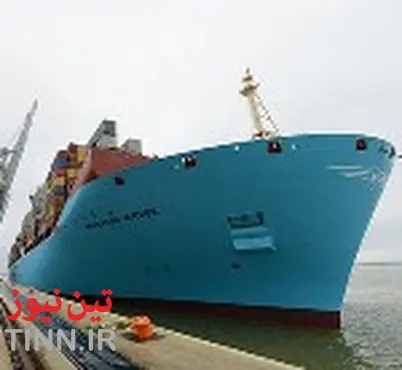
TIN news: Global container port operators such as DP World Ltd, APM Terminals Management BV and PSA International Pte Ltd have their backs to the wall after India’s shipping ministry turned down a request to migrate their facilities—some operating from as far back as 1997—to a new and more favourable tariff regime than the one they are currently subjected to.
That the rejection came even after the attorney general, the government’s chief legal adviser, endorsed such a migration speaks volumes about the government’s hawkish stand on the issue.
Obviously, the government appears to be playing it safe by insulating itself from any potential charges of showing favouritism to some older terminals.
A migration to the new tariff regime would result in a multifold jump in the revenue of these terminals, offering them a return on capital employed (ROCE) in excess of the permissible limit of 16%. The government will not gain anything from this exercise, according to the ministry.
In fact, the shipping ministry feels that the government was “extremely generous” in offering a guaranteed return of 16% to port investors just to attract private funds during the initial years of the port privatization programme.
Some of these terminals handle high volumes. For instance, the facility run by APM Terminals at Jawaharlal Nehru port, near Mumbai, is India’s single biggest container terminal, loading more than two million standard containers a year though it is designed to handle 1.8 million standard containers a year.
The shipping ministry, instead, prefers to re-bid some 10 terminals in accordance with the terms and conditions, including the tariff-setting guidelines used for bidding out new port contracts, and the existing operators of each of these terminals will be given the right of first refusal to match the highest bid (in case they are not) and take the contract.
By proposing this plan, the ministry has thrown down a challenge to the private terminal operators—either continue operating under the existing tariff regime framed in 2005 for these terminals and which is up for review after a five-year run or opt for a re-bid.
Both are tough choices for the operators to make.
If they continue operating under the existing tariff-setting guidelines without any categorical assurance from the government on when the tariff norms will be revised, they will sink deeper into trouble.
Some of these terminals have been subjected to huge rate cuts ordered by the tariff regulator when they had asked for a raise. The terminal operators say that the tariff cuts would reduce their revenue-earning capability and position them to be loss-making units. Simply put, the revenue earned by the firms are not sufficient to cover the cost of operating the terminals, leave alone make profits after sharing a portion with the government port every year, they claimed.
Seven of these 10 private terminals have filed court cases seeking to overturn the rate cuts ordered by the port tariff regulator for their respective terminals by applying the 2005 guidelines, which, they claim, had conceptual flaws, including penalizing efficiency.
While the courts, in their respective jurisdictions, have stayed the rate cuts, the cases are yet to be decided.
Opting for a re-bid would help PSA International, which runs the terminal at V.O. Chidambaranar port in Tamil Nadu, from paying back-royalties running into hundreds of crores to the government-owned port, where it runs the facility. This particular terminal is operating at the rates approved in 1998, when it started out on a 30-year contract.
The same terminal operator had secured a court stay to freeze the annual royalty it is contractually mandated to pay the government-owned port at the level set for 2011 as part of the 30-year pact.
The royalty increases 20% every year.
It will have to pay the higher royalties from 2011 if the government-owned port, which has sought a court direction to lift the freeze, wins the case.
The terminal run by DP World at JN port, which also follows the royalty format, will face the same situation soon.
The government believes and the port operators acknowledge, internally, that they have recovered their investments in the terminal, along with profits, during the initial years of operations and don’t want to lose money now when the tide has changed due to the peculiar nature of the contract—royalty rates to be paid to the government-owned port that were low in the first 10 years of the contract and rising substantially over the balance period with no commensurate hike in rates to be charged from customers.
There is also the issue of treatment of surplus earned by these operators by handling more than the projected container volumes in a tariff cycle of three years and the surplus accumulated by not implementing the rate cuts ordered by the regulator all these years due to a stay granted by the courts.
Opting for a re-bid would help them wriggle out of this tricky situation once and for all.
A re-bid, though, has its own pitfalls. What if a truant bidder quotes an astronomically high revenue-share, which would be commercially imprudent for the existing operator to match?
The third option before the private operators would be to wait for the courts to decide on the rate cuts ordered by the regulator for their respective terminals. The terminal operators feel they have a strong case. A court verdict in their favour, though, will not be the end of the story because the government-owned ports always have the liberty to appeal in a higher court. And the saga would continue.
It would suffice to say that the initial set of port privatization contracts have collapsed due to omissions and commissions by both sides.