|
News Code
125551
Copied
New Zealand to restrict biofouling
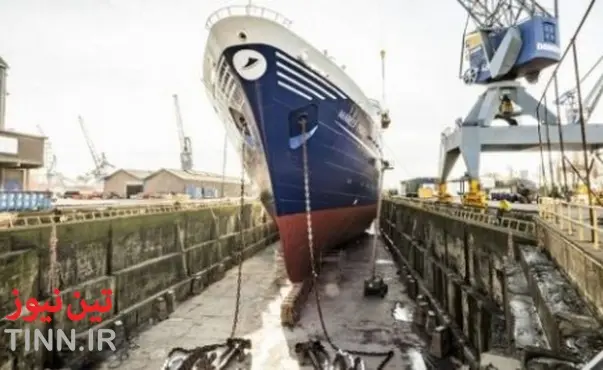
TIN news: To manage the risk of invasive marine species establishing in New Zealand waters, the Ministry for Primary Industries (MPI) issued the Craft Risk Management Standard (CRMS) for Biofouling on Vessels Arriving to New Zealand. From May 2018, vessels must arrive in New Zealand with a clean hull. The CRMS is intended to ensure that the risk of harmful organisms, being introduced into New Zealand by the biofouling pathway, is managed.
MPI highlights that compliance with the new clean hull requirements are accomplished by doing one of the following:
MPI highlights that compliance with the new clean hull requirements are accomplished by doing one of the following:
cleaning the vessel hull before arrival in New Zealand (less than 30 days before arrival)
doing continual maintenance on the hull
treating organisms on the hull (for example, with heat or chemicals) to kill them or make them sterile.
doing continual maintenance on the hull
treating organisms on the hull (for example, with heat or chemicals) to kill them or make them sterile.
Cleaning means the removal of all biofouling from all hull areas – the hull areas are defined in the CRMS and include niche areas that are susceptible to fouling. Under the CRMS, the cleaning is required, to be carried out less than 30 days before arrival to New Zealand. To ensure clearance at the border, cleaning should be carried out by an approved provider. An approved provider will provide a report or certificate to certify the hull as ‘clean’ and the date of the cleaning.
In addition, it is noted that continual maintenance involves ongoing management of biofouling, including:
In addition, it is noted that continual maintenance involves ongoing management of biofouling, including:
having a biofouling management plan specific to the vessel
coating the hull with antifouling paint to prevent or minimise biofouling
regularly inspecting and cleaning the hull
keeping records to show how biofouling is managed.
coating the hull with antifouling paint to prevent or minimise biofouling
regularly inspecting and cleaning the hull
keeping records to show how biofouling is managed.
MPI also suggests that training and familiarisation of the crew is vital and include the following:
Maintenance of the Record Book.
Impacts of invasive aquatic species from ships’ biofouling.
Benefits to the ship of managing biofouling and the threats posed by not applying management procedures
Biofouling management measures and associated safety procedures.
Relevant health and safety issues.
Impacts of invasive aquatic species from ships’ biofouling.
Benefits to the ship of managing biofouling and the threats posed by not applying management procedures
Biofouling management measures and associated safety procedures.
Relevant health and safety issues.
New Zealand recently ordered a bulk carrier to leave its waters because of concerns about dense biofouling to its hull.
Further information may be found in the official report herebelow:

Further information may be found in the official report herebelow: