|
News Code
117032
Copied
Tanker newbuildings’ delays and cancellations reached ۲۵% during ۲۰۱۶ says shipbroker
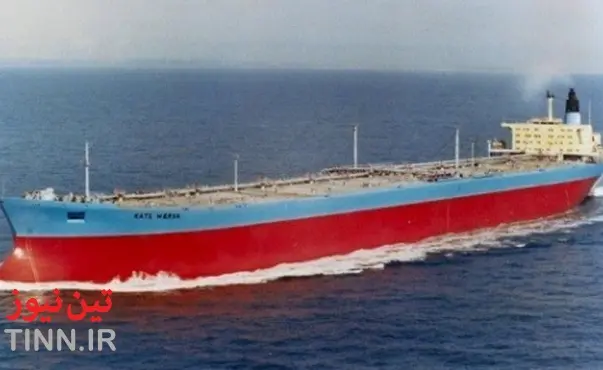
TIN news: Higher than initially anticipated tanker newbuildings’ slippage during 2016 doesn’t bode well for the freight market’s fortunes during 2017. In its latest weekly report, shipbroker Gibson noted that “newbuilding delays are a common in shipping. Slippage can often be prompted by the owner who wants to delay the entry into a weak market, with depressed earnings. In the recent past, delays initiated by the tanker owner were most visible during the previous industry downturn between 2011 and 2013. Alternatively, shipyards themselves could be behind the delays. Shipbuilders may fail to meet their construction schedule for several reasons: technical, financial, labour or supply related issues. The fact that the shipbuilding industry has been going through a major crisis, with ongoing restructuring, consolidation and cost cutting even at most reputable shipbuilders, only increases the likelihood of delays caused by the yard. The most notable example of that is tonnage
ordered at STX Shipbuilding, which filed for a court led restructuring last year”.
According to Gibson, “a few months ago we expressed an opinion that tanker slippage is likely to be substantial in 2016 – at over 15% of tonnage scheduled for delivery within that period. As the year came to an end, the final results show that the slippage was even bigger than initially thought. The actual delays in 2016 are around 25% of what was scheduled for delivery within the year. In percentage terms, delays are the highest in the Suezmax segment – at 33%, with 13 outthe 40 units which were scheduled for delivery in 2016 are yet to hit the water. Panamax/LR1s are next, with slippage at 30%; while delays in the Handy/MR fleet account for 27% of tonnage scheduled for delivery. Finally, delays in the VLCC segment are at 25% and in the Aframax/LR2 size group at 18%”, said the London-based shipbroker.
Gibson added that “although the crude tanker markets benefited from these developments, with TCE returns across all segments remaining at healthy levels for most of the year; slippage failed to prevent the progressive weakness in the clean tanker market. In addition, those tankers that were not delivered in 2016 only make the 2017 delivery profile look higher”.
“Going forward, it does not look like the problems in the shipbuilding industry will go away anytime soon. Ordering in many sectors remains at minimal levels, including the tanker market despite substantial falls in newbuilding prices. On the other hand, demand conditions for tankers are also likely to deteriorate, particularly if OPEC and a number of non-OPEC countries act on their promise to cut crude oil production by nearly 1.8 million b/d. All of this suggests that 2017 could be another year with widespread delays, both owner and shipbuilder led. Yet, the same also means that actual deliveries in 2018 are likely to be notably higher than currently scheduled. In this case, the industry hopes will be for strong increases in trading demand to offset rapid growth in tanker supply”, Gibson concluded.
Meanwhile, in the crude tanker market this week, in the Middle East, Gibson noted that it was “busier for VLCCs but the previously hard rate-hit had taken its toll on Owners’ ambition and the market could only modestly rebound to a peak ws 67.5 to the East and low ws 40 level to the West. Full February programmes will soon be in hand and the next phase of the ‘game’ will be dictated by how Charterers handle those… a quick pace could lead to further gain, but a disciplined slow-step would compromise. A continuation of the recent West African activity would also aid Owners’ cause. Suezmaxes showed no real spark through a dull week of fixing. Rates slip just a little below ws 90 to the East and remain flatline at around ws 50 to the West. February Basrah liftings look heavy, however, and Owners will hope for better attention within short. Aframaxes became busier, but rates haven’t yet made a move from 80,000 by ws 110(17) to Singapore. If volumes do maintain for next week then there will be improvement”, the shipbroker concluded.
According to Gibson, “a few months ago we expressed an opinion that tanker slippage is likely to be substantial in 2016 – at over 15% of tonnage scheduled for delivery within that period. As the year came to an end, the final results show that the slippage was even bigger than initially thought. The actual delays in 2016 are around 25% of what was scheduled for delivery within the year. In percentage terms, delays are the highest in the Suezmax segment – at 33%, with 13 outthe 40 units which were scheduled for delivery in 2016 are yet to hit the water. Panamax/LR1s are next, with slippage at 30%; while delays in the Handy/MR fleet account for 27% of tonnage scheduled for delivery. Finally, delays in the VLCC segment are at 25% and in the Aframax/LR2 size group at 18%”, said the London-based shipbroker.
Gibson added that “although the crude tanker markets benefited from these developments, with TCE returns across all segments remaining at healthy levels for most of the year; slippage failed to prevent the progressive weakness in the clean tanker market. In addition, those tankers that were not delivered in 2016 only make the 2017 delivery profile look higher”.
“Going forward, it does not look like the problems in the shipbuilding industry will go away anytime soon. Ordering in many sectors remains at minimal levels, including the tanker market despite substantial falls in newbuilding prices. On the other hand, demand conditions for tankers are also likely to deteriorate, particularly if OPEC and a number of non-OPEC countries act on their promise to cut crude oil production by nearly 1.8 million b/d. All of this suggests that 2017 could be another year with widespread delays, both owner and shipbuilder led. Yet, the same also means that actual deliveries in 2018 are likely to be notably higher than currently scheduled. In this case, the industry hopes will be for strong increases in trading demand to offset rapid growth in tanker supply”, Gibson concluded.
Meanwhile, in the crude tanker market this week, in the Middle East, Gibson noted that it was “busier for VLCCs but the previously hard rate-hit had taken its toll on Owners’ ambition and the market could only modestly rebound to a peak ws 67.5 to the East and low ws 40 level to the West. Full February programmes will soon be in hand and the next phase of the ‘game’ will be dictated by how Charterers handle those… a quick pace could lead to further gain, but a disciplined slow-step would compromise. A continuation of the recent West African activity would also aid Owners’ cause. Suezmaxes showed no real spark through a dull week of fixing. Rates slip just a little below ws 90 to the East and remain flatline at around ws 50 to the West. February Basrah liftings look heavy, however, and Owners will hope for better attention within short. Aframaxes became busier, but rates haven’t yet made a move from 80,000 by ws 110(17) to Singapore. If volumes do maintain for next week then there will be improvement”, the shipbroker concluded.