|
News Code
116025
Copied
Sulphur oil and ballast water treatment will dominate shipping’s rules’ compliance moving forward
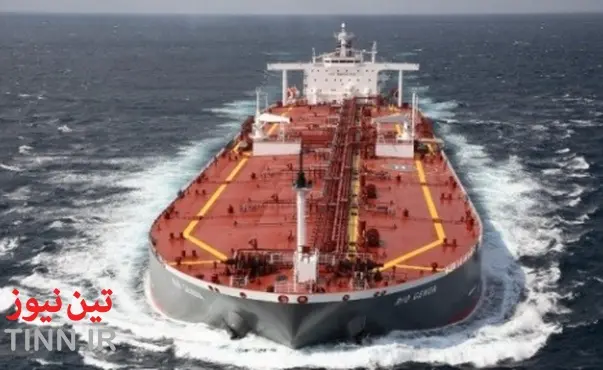
TIN news: Shipowners around the world are faced with increasing costs, which could offset any potential rebound of freight rates over the course of the next year or so, as a series of new regulations are bound to necessitate new investments in the existing fleet. First off, the entry into force of the Ballast Water Management Convention means that by this coming September (a deadline seen as unrealistic by most shipping executives) all vessels will have to be fitted with some sort of BWM system, preferably approved by the US Coast Guard as well, otherwise the ship won’t be able to navigate in any US port.
But the most important change will come in the form of the 0.5% sulphur cap which has been set on shipping emissions by 2020, as a result of the latest IMO decision. This ruling applies to ships worldwide, and ships will have to ensure that the use of fuel oil on board meets the new sulphur content requirement. The current limit is set at 3.5% and shipowners will have more than 3 years to reduce the marine sulphur usage by 7 times below current limits.
According to a recent report from shipbroker Intermodal, “the sulphur cap aims to provide a significant benefit to the environment and human health, particularly near port cities and coastal communities. Newer ships with advanced fuel options are being built, however older ships will have to choose between paying more for fuel and installing equipment to reduce emissions. Main engines, auxiliary engines and boilers are all considered areas of fuel usage on board ships”.
Intermodal’s SnP broker, John N. Cotzias notes that “today there are different blends of low sulphur fuel in different geographical locations and compatibility of these is still questioned. However, taking into account today’s bunker prices, using the low sulphur fuel poses a $200/tonne extra cost. The use of exhaust gas cleaning systems known as “Scrubbers” is the only solution for vessels to comply with gas emissions and allow them to continue using their normal fuel. Estimated cost of installing scrubbers on existing ships ranges from $ 1.3 million and can reach levels exceeding $ 3.0 million on larger and more demanding ships needing extensive funnel and steel modifications. Even so, scrubbers are not totally eco-friendly. Current systems involve either wet exhaust Vs dry exhaust or open loop vs closed loop technologies. In cases of closed loop and wet exhaust systems the collection of the particulates and the proper ecological disposal of same has to be addressed. This is another product that will have a disposal cost which, significant or not, still poses an additional running cost”, he said.
Additionally, “the biggest concern that may also be a game changer in our industry is that today and most likely by 2020 there is the possibility for existing refinery capacity proving inadequate to meet demand for clean fuel. Capacity is one question and geographical location is another. New refineries will need to be created with more capacity, also in more strategic locations and we see a major logistical undertaking for all links in the bunker supply chain. This need may impose new trade routes for product tankers and increased demand for these will benefit freight rates. Many countries say that 2020 is too soon and propose 2025 as a safer implementation date. However the decision of switching to more expensive fuel vs installing scrubbers is the result of the following formula; Daily Consumption X Extra $200/tonne X Years of projected operation of the vessel. If the ship has few years left until the end of its life, and if its second-hand price over its scrap price is marginally close to the cost of installing scrubbers then there is a greater possibility that she will be scrapped. This applies to all ship types and may lead to a mass exodus… towards the beaches. Supply of tonnage will be reduced giving freight rates a serious boost”, concluded Intermodal’s broker.